
 English
 简体中文
简体中文 Русский
 Français
 Português
 Español

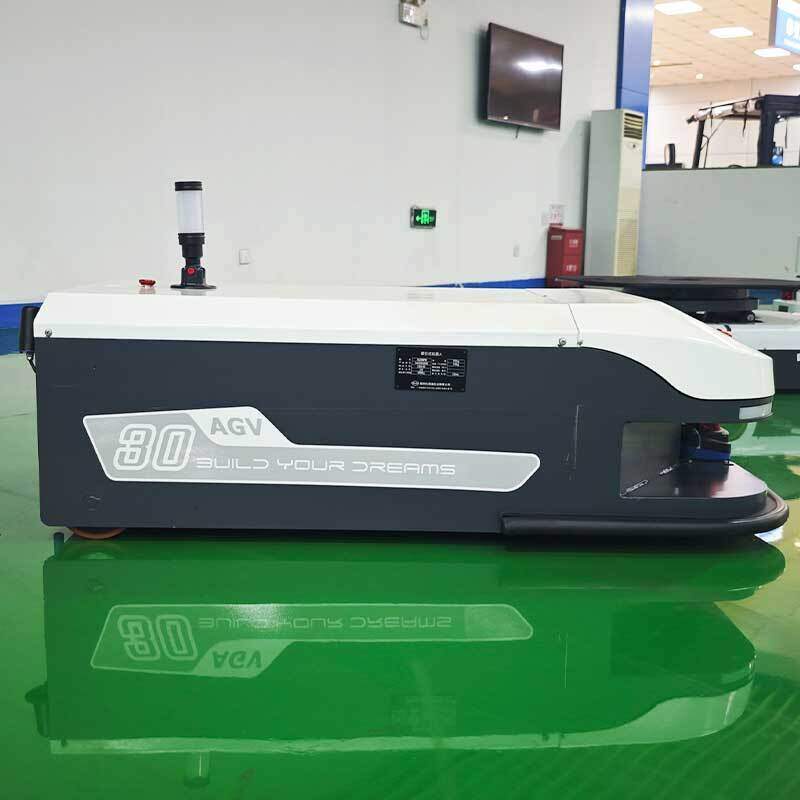
Against the background of growing demand for low-carbon and efficient material handling scenarios, electric forklifts have become a common equipment choice for most indoor warehouses, logistics distribution centers and light industrial manufacturing sites. Mastering correct operation and maintenance rules can give full play to the inherent advantages of this type of equipment, and create more stable value for daily production activities.
Core Daily Operation Specifications
Before each start of operation, operators need to complete necessary pre-use checks, including remaining power status, brake system sensitivity, fork surface wear condition, and surrounding operation area barriers. During the driving process, the actual load should be kept within the rated load range of the equipment, and the driving speed should be adjusted dynamically according to the width of the passage, the number of surrounding pedestrians and the ground condition. When passing through slope sections, keep the equipment moving at a constant speed, avoid sudden steering or sudden braking actions, to reduce the risk of goods slipping and equipment tipping. For narrow aisle scenarios, operators need to adjust the body position slowly, to avoid collision with storage shelves or stacked goods.
Scientific Battery Management Strategy
As the core power component of electric forklifts, the battery state directly determines the continuous working performance of the equipment. Operators should avoid long-term over-discharge of the battery in daily use, and arrange charging work in time when the remaining power drops to the preset early warning range. The charging environment should be kept dry and ventilated, and the ambient temperature should be controlled within the suitable range specified by the equipment, to avoid performance attenuation caused by extreme high or low temperature. If the equipment needs to be idle for more than two weeks, supplementary power check should be arranged regularly, and the electrode connection port should be cleaned periodically to avoid poor contact caused by dust accumulation or liquid erosion.
Routine Maintenance to Reduce Unplanned Downtime
Regular routine maintenance can effectively extend the overall service life of electric forklifts. During the periodic inspection, personnel need to check the sealing performance of the hydraulic lifting system, the tension of the lifting chain, and the wear degree of the driving wheels in turn. For the easily worn parts that have reached the usage limit, replace them in time according to the operation manual, to prevent minor hidden problems from evolving into major faults that affect normal operation. The interior and exterior of the equipment can be cleaned regularly to remove the dust and debris accumulated in the heat dissipation gap, to ensure the equipment maintains good heat dissipation state during long hours of continuous operation.
Scene Matching to Improve Operational Efficiency
In actual application, operators can match the corresponding equipment functions according to different cargo attributes, and arrange the material handling route reasonably to reduce unnecessary round trips. Adjust the operation rhythm according to the peak and valley of warehouse work, and arrange the necessary battery replacement or charging work in the low peak period, to avoid affecting the normal operation rhythm of the entire warehouse. This series of standardized operations can help the electric forklift maintain a good working state for a long time, and adapt to the diversified development needs of modern green material handling.


