
 English
 简体中文
简体中文 Русский
 Français
 Português
 Español

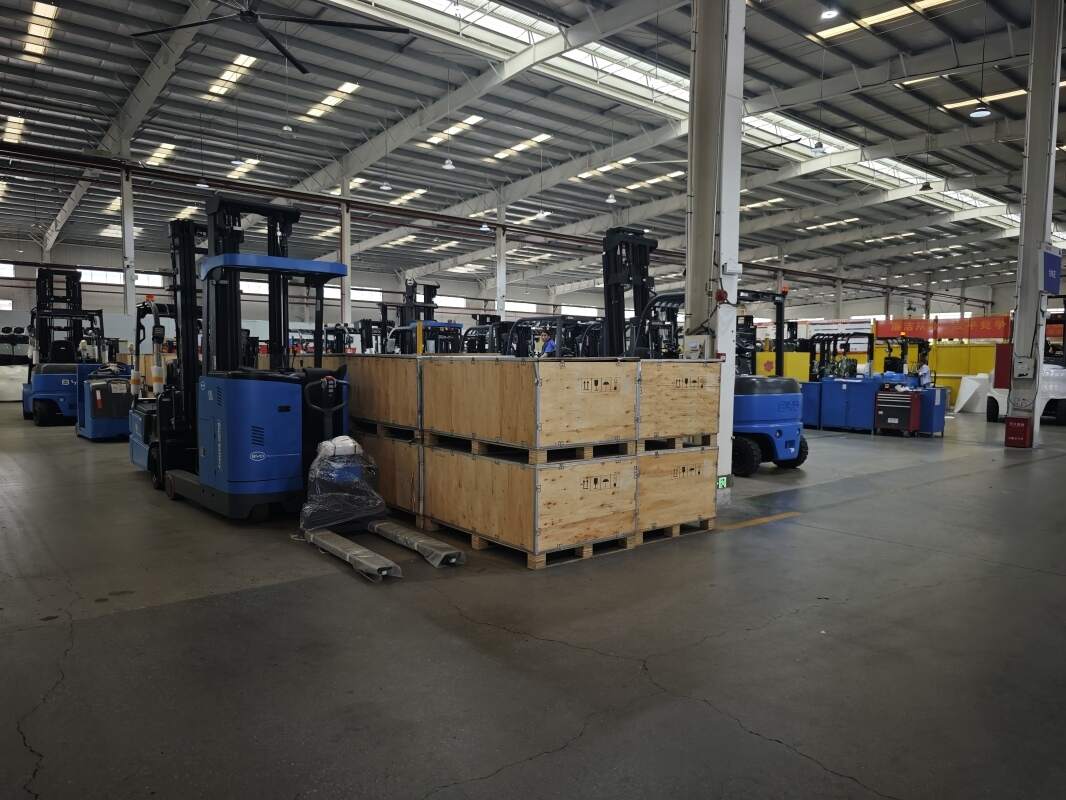
In recent years, electric forklifts have been widely adopted across various industrial and warehousing scenarios, as the industry gradually pays more attention to low-carbon operation and personnel working experience. Mastering corresponding professional knowledge of electric forklift use can help logistics practitioners get more stable performance output in daily material handling processes.
Core Performance Characteristics of Electric Forklifts
Different from traditional internal combustion handling equipment, modern electric forklifts rely on electric power drive, which produces no local exhaust emission during operation, and can meet the use requirements of closed storage spaces, food processing workshops and other scenarios with high environmental requirements. The whole machine operation process has low noise, which can reduce the noise interference to surrounding workers, and avoid the hearing discomfort caused by long-term exposure to high noise working environment. The average energy consumption cost per hour of electric forklifts is lower than that of traditional fuel equipment, which can control the daily operation expenditure for warehouse operators to a certain extent.
Standardized Operation Essentials for Daily Use
Before starting each shift of operation, operators need to complete necessary pre-check work, including confirming remaining battery power, checking the sensitivity of braking system, confirming the normal working state of safety warning lights and horns, to avoid potential safety hazards in subsequent operation. During the operation process, operators need to drive along the specified logistics channel, keep the running speed within the safe range set for the warehouse, do not overload the equipment beyond the rated load capacity, and keep the goods in a stable state after lifting to prevent slipping and falling. When turning at the intersection of channels or passing through the working area of other personnel, operators need to slow down in advance and give out reminder signals, and avoid arbitrary turning or reversing on the ramp to prevent side slip risks.
Routine Maintenance Suggestions to Optimize Service State
After each daily use, operators need to simply clean the dust and debris accumulated on the surface of the equipment, focus on checking whether there is leakage of the hydraulic lifting system, and wipe the battery contact points to avoid poor power supply caused by surface oxidation. The management team can arrange special personnel to conduct regular in-depth inspection every certain working cycle, check the wear degree of tires, adjust the tightness of transmission parts in time, and replace the seriously worn vulnerable parts before failure occurs. It is not recommended to disassemble or modify the core power, control and hydraulic system structure of the equipment without professional guidance, to avoid unnecessary performance damage or safety risks. Scientific operation and maintenance work can help electric forklifts maintain stable working condition for a long time, give full play to its inherent advantages in material handling links, and create more practical value for the whole logistics operation system.


