
 English
 简体中文
简体中文 Русский
 Français
 Português
 Español

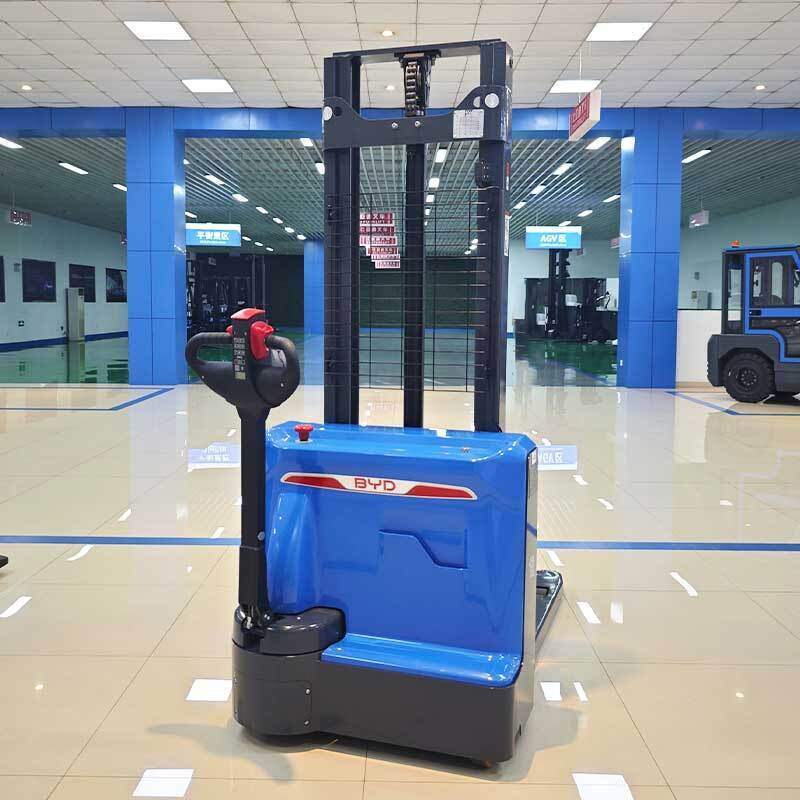
With the continuous popularization of new energy industrial equipment, electric forklifts have become one of the most widely used material handling tools in warehousing, manufacturing, port logistics and other scenarios. As a practitioner with years of experience in the electric forklift industry, this article shares practical, targeted professional content for frontline operators, warehouse managers and equipment management personnel, to help everyone grasp the correct use and management logic of such equipment.
Core Performance Characteristics of Electric Forklifts for Scenario Matching
Different from traditional internal combustion handling equipment, electric forklifts are powered by clean energy power packs, which produce no exhaust gas during operation, and the noise level is far lower than that of fuel-powered equipment. This characteristic makes it more suitable for enclosed operation scenarios such as indoor warehouses, food processing workshops, and pharmaceutical storage areas that have strict requirements for environmental indicators. The whole vehicle has a relatively simple power transmission structure, and the vibration generated during operation is relatively weak, which can reduce the damage to fragile goods such as electronic parts and precision handicrafts during the handling process. Most types of electric forklifts can also adapt to different ground conditions by adjusting the height of the gantry and the load weight, to meet the diversified handling demands of different scenarios.
Standard Operation Norms to Reduce Unnecessary Wear and Tear
During daily use, operators need to carry out complete pre-operation inspections before starting the equipment, including checking the power residual level, the flexibility of the lifting and tilting system of the gantry, and the sensitivity of the braking and steering system. It is not recommended to operate the equipment with overload for a long time, and the load position should be placed in the center of the forks as much as possible, to avoid the deviation of the center of gravity of the goods causing the side roll or the unstable drop of the goods. When the equipment is running on a sloped road surface, the operator should keep the goods facing the upper slope direction, and avoid turning on the slope to reduce the risk of safety accidents. After the operation is completed, the operator should lower the gantry to the lowest safe position, turn off the power supply, and park the equipment in the designated storage area.
Routine Maintenance Strategies to Ensure Long-term Stable Operation
In the daily maintenance process, the staff should regularly clean the dust and debris accumulated in the power heat dissipation part, check the wear degree of the tire and the transmission connecting parts, and replenish the lubricating grease for the movable connection points on schedule. For the power energy storage component, it is necessary to follow the correct charging specification, avoid the situation of full discharge for a long time, and do not place the charging equipment in a high temperature or humid enclosed space. The regular maintenance work can effectively reduce the probability of unexpected equipment failure, and extend the overall service life of the vehicle under reasonable operation conditions. Reasonable matching of equipment parameters and actual work scenarios can also help enterprises control the comprehensive operation cost of the material handling link steadily.


