
 English
 简体中文
简体中文 Русский
 Français
 Português
 Español

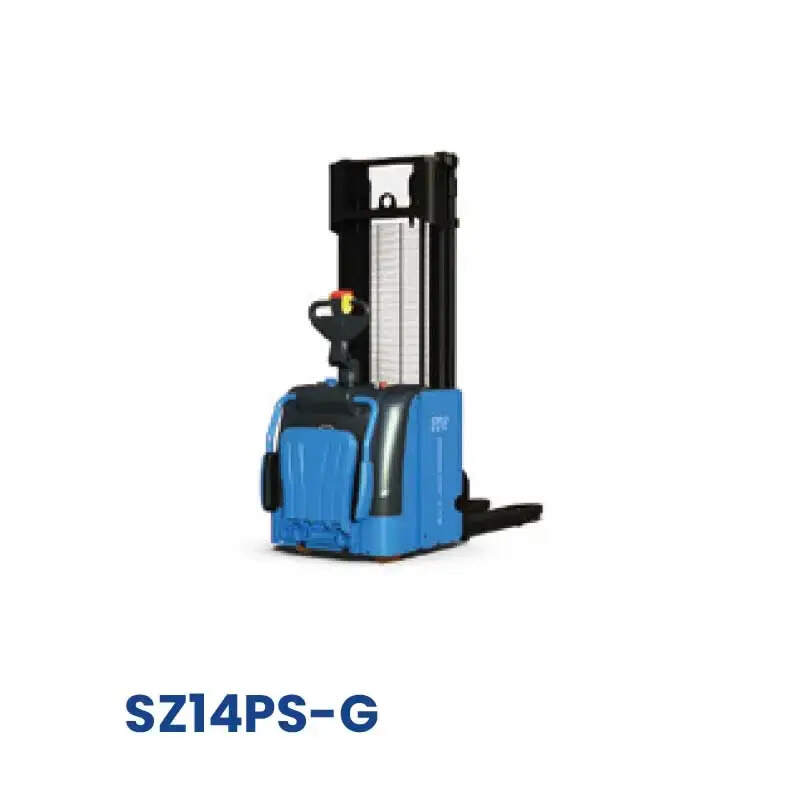
As low-carbon logistics equipment gains wider adoption across industrial and warehousing scenarios, electric forklifts have become a core tool for daily material handling operations. Mastering scientific use and management methods can help operational teams reduce unnecessary wear, improve work efficiency, and lower overall operating costs without extra redundant investment.
Core Pre-operation Inspection Specifications
Before each shift starts, operators need to complete a series of basic checks to eliminate hidden risks in advance. The first step is to check the remaining power level of the power system, confirm the connection status of the power interface to avoid poor contact caused by long-term dust accumulation, then check the flexibility of the lifting mechanism, steering system and braking parts, and test the normal operation status of the light and warning sound components. Operators also need to check the condition of the tire surface, remove embedded hard sundries in the tread in time to avoid slipping or tire burst during high-intensity operation.
Daily Routine Maintenance Best Practices
After the daily operation is completed, the maintenance team can complete simple routine maintenance work within 10 to 15 minutes, which can effectively extend the service life of core components. Wipe the dust and oil stains on the surface of the equipment, clean the sundries accumulated in the heat dissipation tank to ensure good heat dissipation effect during high-load operation, and charge the power battery according to the standard operation process, avoid over-discharging or long-term overcharging that may cause irreversible damage to the battery performance. Regularly add appropriate amount of lubricating oil to each rotating connection part to reduce friction loss between metal components.
Correct Operation Habits to Extend Service Life
Operators need to receive systematic pre-job training to master the correct operation logic, do not perform violent steering, sudden braking or over-lifting overweight goods in the process of driving, avoid long time to keep the equipment in a full load operation state. When operating in narrow channel scenarios, operators need to control the driving speed within the safe range, and do not collide with the shelf or the surrounding facilities, which may cause the deformation of the gantry structure or the damage of the body shell. When the equipment gives an early warning signal, the operator should stop the operation in time for inspection, and do not force the equipment to work with faults.
Scene-adaptive Performance Adjustment Tips
For different operation scenarios, the operation team can adjust the corresponding parameter settings according to the actual working conditions. For the cold storage operation scenario with low ambient temperature, the preheating process of the equipment can be properly extended before formal operation, to avoid the poor response of the hydraulic system caused by low temperature. For the high-strength continuous operation scenario of large-scale distribution centers, the team can arrange reasonable rotation rest time for the equipment to avoid long-term continuous operation leading to overheating of the motor.


