
 English
 简体中文
 Русский
 Français
 Português
 Español


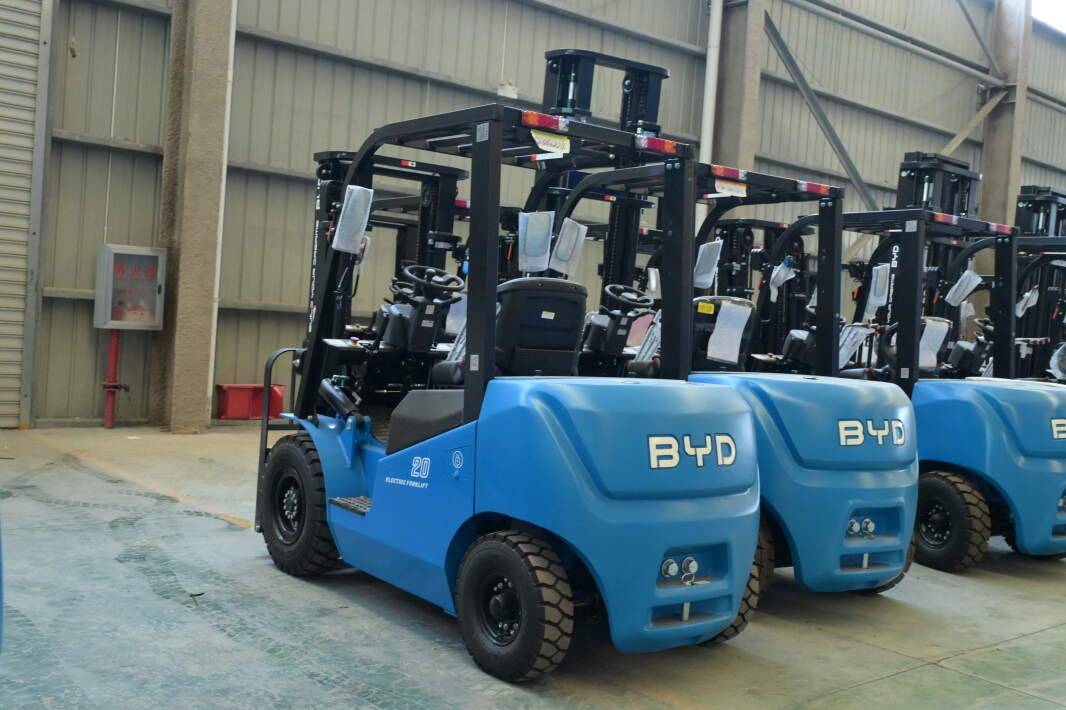
With the growing popularity of low-carbon logistics solutions across global industrial and warehousing sectors, electric forklifts have become a core piece of standard material handling equipment for most operation teams. A comprehensive understanding of its proper use and management can help teams build more stable operation workflows without unnecessary extra expenditure.
Core Operation Advantages of Standard Electric Forklifts
Compared with internal combustion powered counterparts, modern electric forklifts produce zero local exhaust emission during operation, making them suitable for closed indoor storage spaces, food processing workshops and other scenarios that have strict air quality control requirements. The relatively low noise output also creates a more friendly working environment for on-site staff who stay in the operation area for long hours, which helps reduce potential fatigue caused by continuous high noise exposure. The simplified transmission structure also cuts down the daily refueling and part replacement work that traditional power equipment usually requires.
Routine Maintenance Practices to Extend Equipment Lifespan
Regular daily check before each shift only takes 5 to 10 minutes, covering core parts including tire wear status, brake responsiveness, lifting chain tension and power connection tightness. It is not recommended to leave the equipment fully discharged for a long period after use, and scheduled power supplement in line with official operation specifications can effectively keep the power system in stable working condition. Wiping the dust and debris on the operation panel and body surface regularly can also prevent unexpected circuit blockage caused by accumulated foreign matters. Operators can also record daily operation status to track potential small abnormalities in time before they develop into bigger malfunctions.
Energy Efficiency Optimization Tips for Long Duration Operation Shifts
For teams that need to run the equipment for 8 hours or longer per work shift, reasonable operation route planning that reduces unnecessary repeated turning and empty load travel can cut extra power consumption obviously. Avoid frequent sudden acceleration and sudden deceleration during normal driving, and keep the load center within the specified range marked on the equipment nameplate, which can also reduce extra load on the power drive system. Proper pre-operation training for all new users can avoid many misoperation behaviors that cause extra power waste.
Basic Safety Compliance Guidelines for Daily Use
All operators need to receive systematic professional training before independent operation, and it is not allowed to carry overloaded goods beyond the rated load limit for a long time. After finishing each operation task, park the equipment in the designated area, lower the lifting arm to the lowest position, and cut off the main power supply properly to eliminate potential hidden safety risks. Regular safety awareness review for all operation team members can maintain a stable, low-risk working environment for the whole warehouse.


