English
 简体中文
 Русский
 Français
 Português
 Español


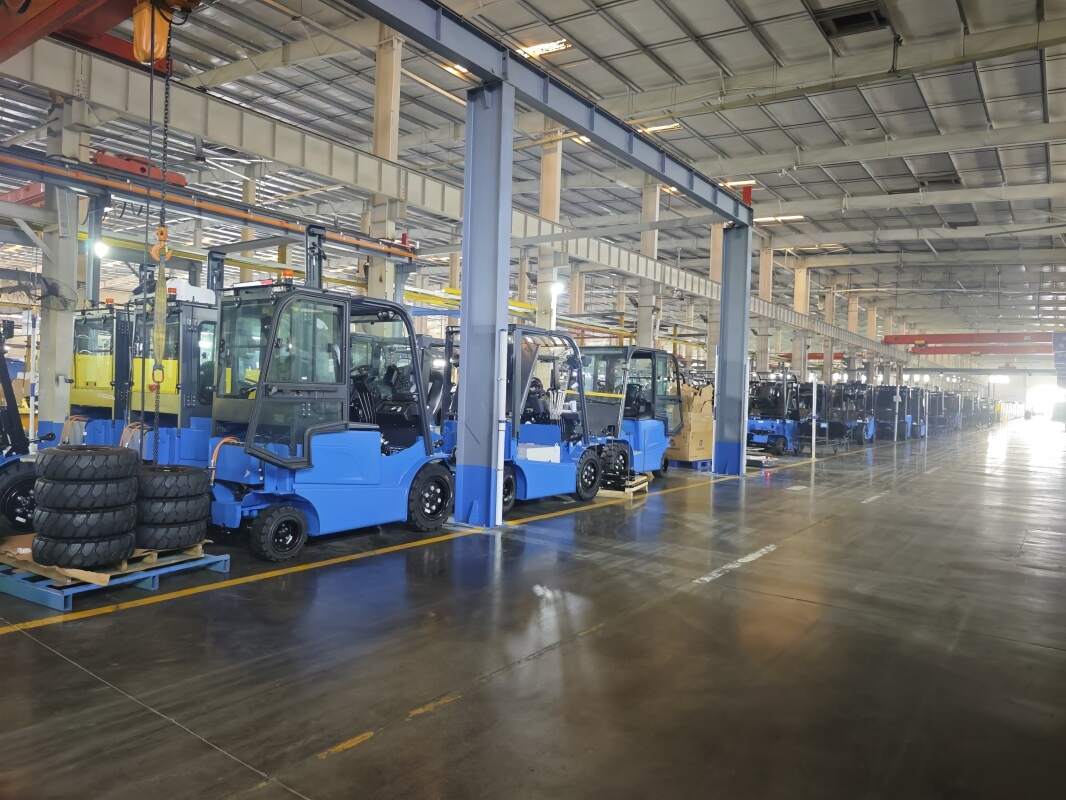
In modern warehousing, manufacturing and logistics operation scenarios, the mixed coexistence of moving forklifts and walking pedestrians is a common daily state, and potential safety risks in this scenario are often easily ignored by frontline staff. This practical field guide sorts out standardized, actionable operation rules for both forklift operators and on-site pedestrians, to help teams build a stable safety protection system.
The first part focuses on basic pre-operation safety preparation. Before any forklift operation, all operators must complete formal safety training and pass the corresponding assessment to obtain valid operation qualification. For electric forklifts that run with low noise, extra attention should be paid to confirm that the horn, warning light, and backup prompt function are in normal working state before starting the vehicle, so as to avoid the situation that nearby pedestrians cannot perceive the approaching of the forklift in time. All on-site personnel should also receive regular safety awareness training to recognize high-risk areas around operating forklifts.
The second part clarifies channel division and identification management requirements. The operation site should divide exclusive forklift driving lanes and special pedestrian walking areas with obvious color marks and safety warning signs as far as possible, to reduce unnecessary cross interference between the two groups. At intersections, corners and areas with blocked sight, set up obvious deceleration reminder signs and acousto-optic alarm devices, and limit the maximum driving speed of forklifts in public operation areas to a safe range.
The third part sorts out on-site interaction safety specifications. When a forklift is approaching a cross area or a crowd gathering area, the operator should honk the horn in advance, reduce the speed to the lowest level, and prepare to stop at any time. Pedestrians on site should take the dedicated pedestrian passage as the first choice for travel, do not arbitrarily break into the forklift operation channel, and avoid staying in the blind area of the forklift driver's sight for a long time. When passing the intersection where the line of sight is blocked, both forklift operators and pedestrians should stop and confirm the safety of the surrounding environment first, and then pass slowly.
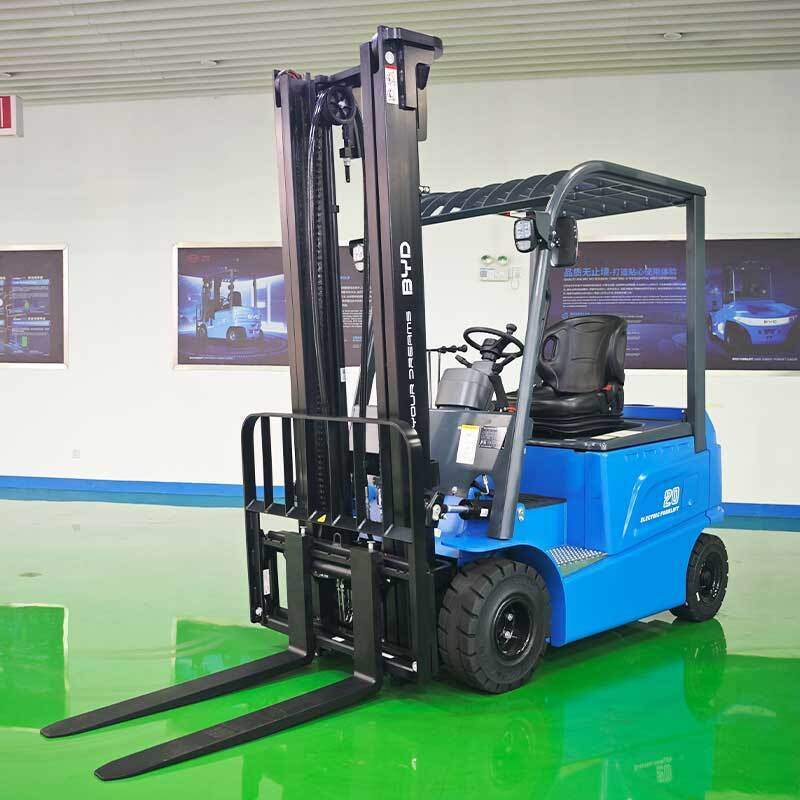
The last part introduces daily inspection and emergency mechanism requirements. Enterprises should arrange special personnel to inspect the safety facilities on site every day, regularly organize safety drills for forklift and pedestrian collision risk response, and correct non-standard operation behaviors in time. Our team, Jianshu New Energy, focuses on BYD electric forklifts, if you have demands for electric forklift safety configuration consultation and related supporting services, please contact us via [email protected].