
 简体中文
 Русский
 Français
 Português
 Español
 لالعربية


When enterprises expand their material handling operations or take on temporary large-scale projects, choosing a forklift lease rather than direct purchase has become a popular choice to reduce upfront capital occupation, and avoid the subsequent depreciation and idle loss of fixed assets. To get a leasing scheme that fully matches your actual operation needs, you need to sort out several core factors before signing a formal agreement.
The first factor is to fully clarify your own actual operation demands. You need to confirm the average daily using time of the forklift, the maximum load weight you often need to carry, the required maximum lifting height, and the main operation scenarios, such as indoor closed warehouse, cold storage area, outdoor logistics yard or special operation area with strict emission requirements. For scenarios that need to keep zero indoor pollution and low noise, new energy electric forklifts are more suitable than fuel models, and you can put targeted demands forward to the leasing service provider in advance.
The second factor is to check the full cost structure of the leasing scheme completely, instead of only focusing on the marked monthly rent. You need to confirm whether the regular routine maintenance, on-site fault repair service, mandatory annual safety inspection and relevant property and personal injury insurance are included in the fee, as well as the clear charging rules for overtime use, specified scope of non-liability for normal equipment wear and tear, to avoid unexpected hidden extra costs during the lease period.
The third factor is to confirm the actual performance and safety configuration of the equipment to be leased. It is recommended to check the actual running state of the equipment on site, confirm that the power output, battery endurance, operation sensitivity can meet your daily operation requirements, and all standard safety configurations including reversing warning device, overload protection and anti-collision parts are intact, fully complying with local work safety operation specifications.
The fourth factor is to confirm the flexibility of the lease term and subsequent extension clauses. You can choose matching schemes according to your own operation cycle, no matter it is short-term lease for temporary project, or long-term lease for stable long-term operation, and confirm whether the scheme supports mid-term adjustment of equipment tonnage and type according to your business change, as well as the preferential rules for renewal or directional purchase after the lease expires.
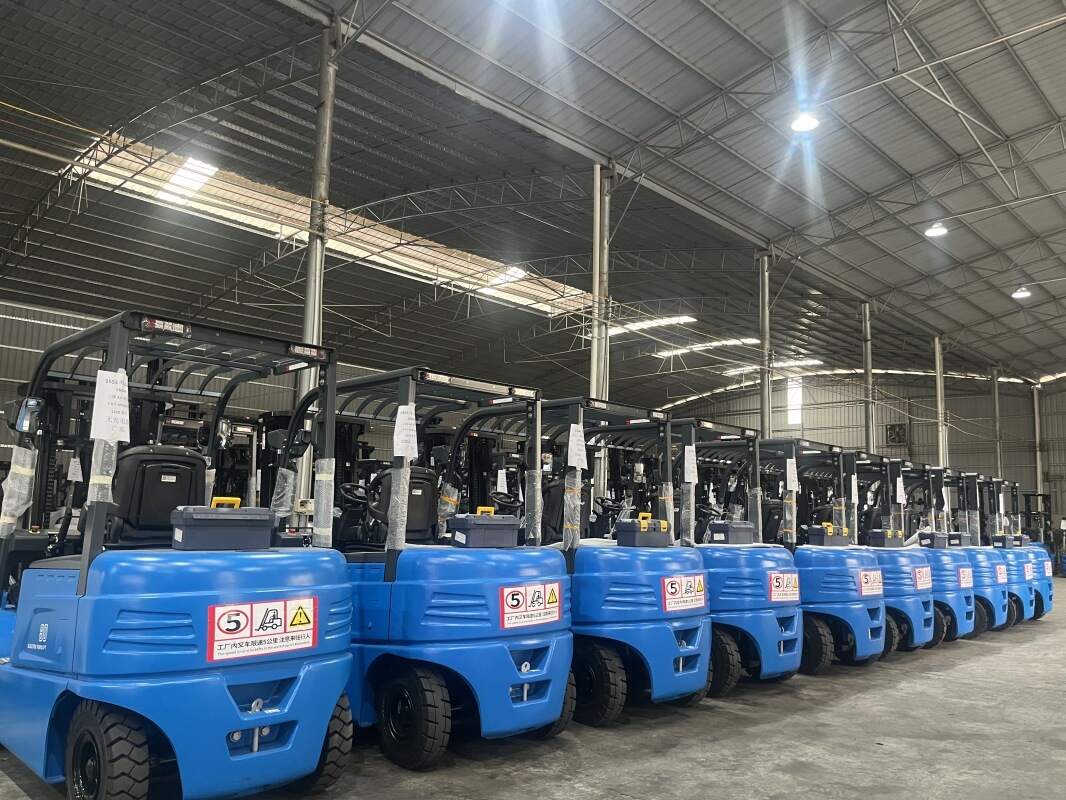
We are Jianshu New Energy, focusing on BYD electric forklifts, and can provide customized compliant leasing solutions for customers with different operation demands. If you have relevant consultation needs, please send an email to [email protected] for detailed professional support.


