
 简体中文
简体中文 Русский
 Français
 Português
 Español
 لالعربية

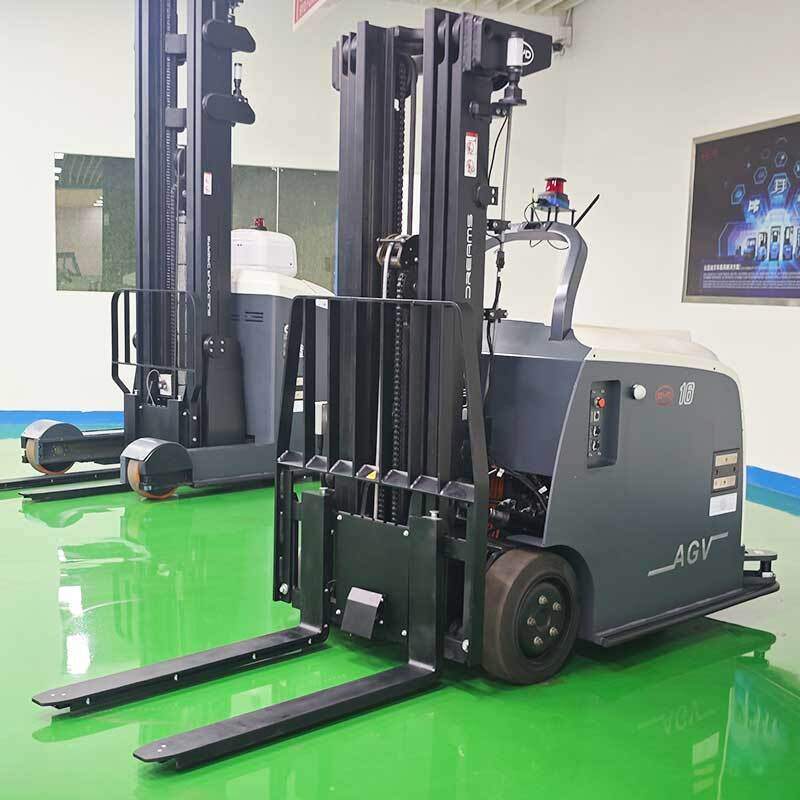
Electric forklifts have become a mainstream choice for indoor material handling scenarios in recent years, as more logistics and manufacturing teams prioritize low noise, zero local emissions and flexible operation performance for their daily storage and transportation work. Mastering systematic professional knowledge of electric forklift can help teams reduce unnecessary operation risks and optimize overall workflow efficiency.
Core Operational Advantages of Electric Forklifts
Different from internal combustion handling equipment, electric forklifts rely on power battery packs to provide driving and lifting power, which produces no exhaust emission during operation, making them more suitable for enclosed warehouse, food processing workshop and other scenarios with strict requirements for indoor air quality. The overall noise level during running is relatively low, which can reduce long-term noise interference for on-site staff, and create a more comfortable working environment for teams that run multi-shift operation schedules. Most models have compact body design, which can pass through narrow warehouse aisles more smoothly, and complete stacking, loading and unloading work in limited space.
Standardized Operation Specifications
Before formal operation, operators need to complete full pre-inspection work, including checking the remaining power level of the battery, the flexibility of lifting mechanism, the sensitivity of brake system, and the normal display status of all instrument indicators. Operators need to receive systematic professional training before taking up the post, strictly follow the rated load limit of the equipment, and avoid overloading operation that may cause damage to the lifting structure or overturn risk. During the driving process, operators need to keep a safe distance from surrounding personnel and stacked goods, avoid sudden acceleration or sudden braking on the slippery ground, and lower the lifting gantry to a safe position when moving for long distances.
Practical Daily Maintenance Tips
Regular daily maintenance can effectively extend the service life of electric forklifts, and reduce unexpected failure rate in peak operation periods. Operators need to clean the dust and sundries accumulated on the surface of the equipment after each shift, check the connector status of the battery regularly, and avoid long-term under-power storage that may cause irreversible damage to the battery performance. The lubrication points of the walking and lifting structure need to be replenished with professional lubricant at regular intervals according to the operation manual, and the wear degree of tire and brake pad should be checked regularly, and replace the worn parts in time when the wear level reaches the specified threshold. Reasonable application and daily management of electric forklifts can help warehouse and logistics teams create more stable material handling conditions, and bring long-term practical value for the daily operation of the whole site.


