
 简体中文
简体中文 Русский
 Français
 Português
 Español
 لالعربية

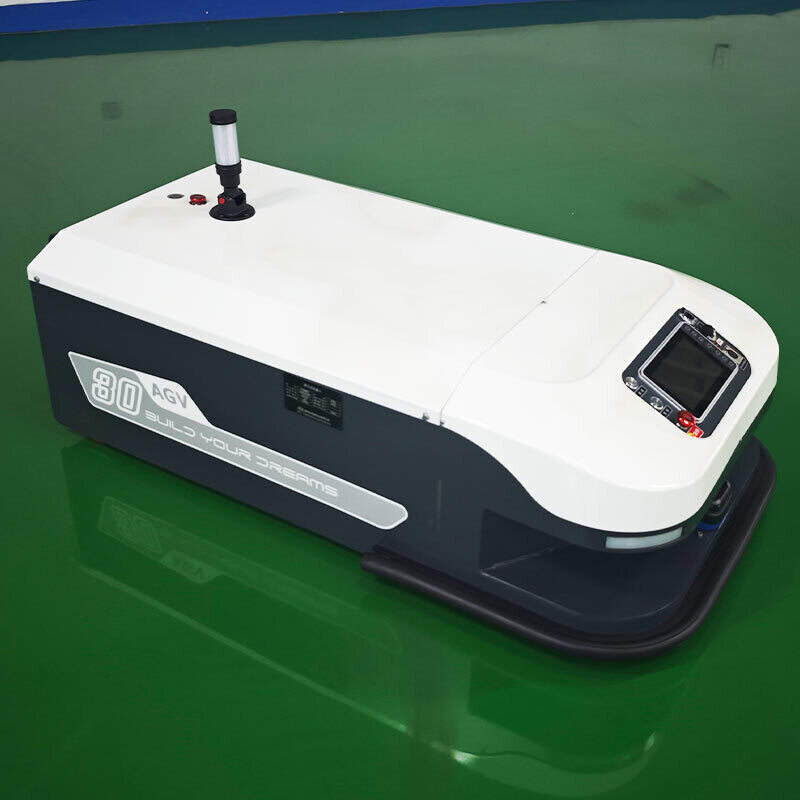
As low-carbon logistics and fine warehouse management continue to develop, electric forklifts have become a widely recognized material handling equipment for most industrial operation teams, and mastering systematic relevant knowledge can help teams give full play to the inherent advantages of such equipment in daily work.
Core Operation Specifications for Daily Use
Before starting the equipment, operators need to check the remaining power level, brake sensitivity, steering flexibility and surface condition of loading forks first, and no overloading operation is allowed even if the equipment shows enough supporting parameters in the manual. Operators need to keep a stable driving speed in narrow warehouse aisles, avoid sudden acceleration or sudden braking that may easily cause cargo tipping, and keep a proper safe distance with surrounding staff, shelves and stacked goods all the time. When completing the lifting and placing process of goods, operators should adjust the tilt angle of forks slowly to avoid scratching the goods or surrounding facilities.
Routine Maintenance Practices to Extend Service Life
Qualified daily maintenance work does not take too much extra working time. After each shift, operators can wipe off dust, sundries and residual liquid on the surface of the equipment, check whether the cable connection parts of the power system are loose, and place the equipment in a dry and ventilated storage position away from direct sunlight and humid environment. For long-term unused equipment, it is necessary to complete regular charging according to the specified requirements to avoid excessive power loss that may affect the overall performance of the power system. Professional maintenance personnel can carry out regular deep inspection of the walking system and hydraulic lifting system according to the actual working intensity of the equipment.
Application Scenario Adaptation Tips
Different working scenarios have different matching demands for the configuration of electric forklifts. For low-intensity short-distance handling in small retail warehouses, models with relatively small body sizes can meet daily usage demands well. For large industrial parks or public cargo yards, users can select corresponding configuration parameters according to the average lifting weight and the length of daily continuous operation time. Proper matching between equipment performance and scenario demands can effectively reduce unnecessary energy consumption and improve the overall work efficiency of the whole handling team. With standardized operation and reasonable maintenance, electric forklifts can maintain stable working condition for a long period, bringing more reliable convenience to daily material handling work.


