
 简体中文
简体中文 Русский
 Français
 Português
 Español
 لالعربية

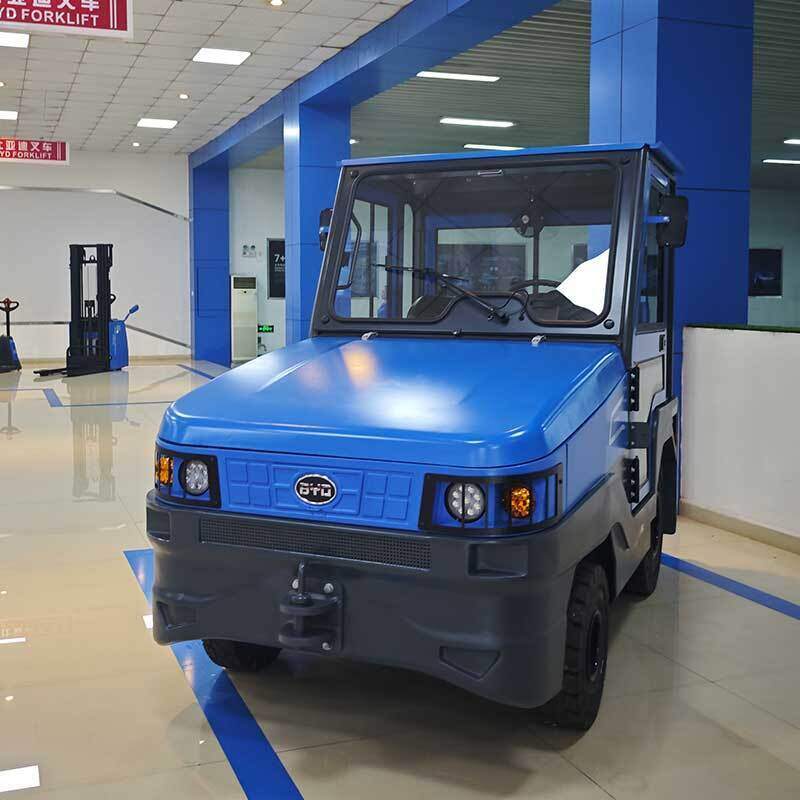
In recent years, lithium forklift units have gained growing popularity in the global material handling sector, thanks to their stable performance, low daily maintenance demand and environmentally friendly operation features. A large number of overseas buyers in logistics, manufacturing and warehousing sectors turn to Chinese-manufactured lithium forklift units to match their daily operation demands, while quite a few new sourcing practitioners still face obstacles in the whole procurement process, and the following practical tips can help them complete the sourcing work smoothly.
First of all, conduct complete pre-order qualification verification before formal cooperation. Instead of making decisions only according to quoted price, buyers are advised to confirm the supplier’s complete quality control system covering raw material incoming inspection, production process monitoring and finished product testing first. It is necessary to confirm that the target products have obtained all required certifications that meet the safety, performance and emission standards of the local market. Buyers can also request full set of valid test reports of the products, and entrust a local third-party inspection agency to carry out on-site verification if necessary, to avoid unnecessary risks caused by unqualified products.
Secondly, finish precise demand matching before confirming the order. The operational parameters of lithium forklift units vary a lot when applied in different scenarios, including narrow aisle warehouse, outdoor heavy-load yard, cold storage and special chemical working sites. Buyers need to communicate with suppliers clearly on core parameters including rated load weight, maximum lifting height, continuous working duration under full load, supporting auxiliary attachments and other personalized demands, confirm the feasibility of reasonable customized adjustment and corresponding delivery cycle, to make sure the sourced products can fully match the actual operation scenarios.
Thirdly, clarify full-link supply chain and after-sales arrangements in advance. Buyers should confirm the exact production cycle, international logistics scheme, and all required documents for customs clearance, to avoid possible delays in transportation and customs declaration links. It is also essential to confirm the spare parts supply channel in the local market, fault response cycle, operation staff training support and other related terms, to avoid insufficient support after the products are delivered to the destination port.
Finally, carry out full-link cost accounting. Instead of only comparing the bare unit price, buyers should take international freight, insurance fee, import tariff, and subsequent daily operation and maintenance cost into the whole procurement budget, to select the solution with reasonable overall cost. Following the above practical suggestions, overseas buyers can complete the sourcing process of Chinese-manufactured lithium forklift units efficiently, and obtain qualified equipment that well meets their long-term operation demands.


