
 简体中文
简体中文 Русский
 Français
 Português
 Español
 لالعربية

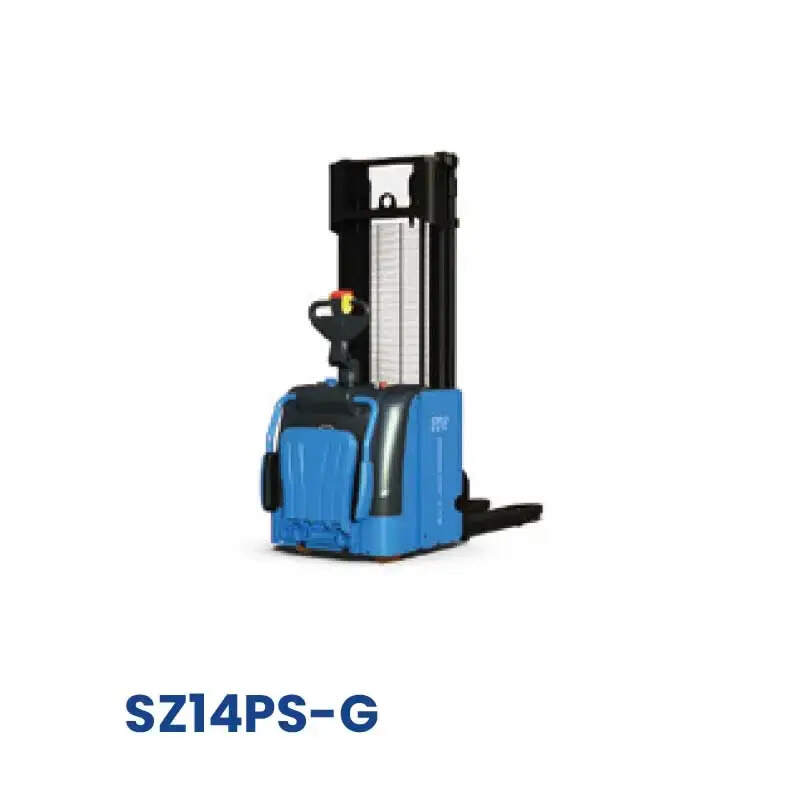
As low-carbon logistics becomes the mainstream trend of modern warehouse operation, electric forklifts have been widely adopted across various indoor and semi-outdoor material handling scenarios in recent years. Unlike traditional internal combustion counterparts, this type of equipment relies on clean power output to complete cargo stacking, short-distance transit and loading unloading tasks, bringing distinct operation experiences for frontline logistics staff.
Core Performance Characteristics of Electric Forklifts
Most electric forklift products adopt modular power system design, which generates relatively low noise level during full operation, creating a more comfortable working environment for staff who stay in the warehouse for long hours. The zero direct emission feature also makes them suitable for closed storage scenes that have strict requirements on air quality, such as food storage workshops, pharmaceutical distribution centers and electronic component warehouses. The power output adjustment of electric forklifts is smoother than fuel-powered equipment, which reduces the risk of cargo damage caused by sudden movement during operation, especially for transporting fragile or high-value goods.
Standard Daily Maintenance Suggestions
Daily regular check work helps maintain stable equipment running status and reduce unexpected downtime. Operators can check the power connection components and tire wear condition before each shift, wipe the dust and debris attached to the body surface and heat dissipation components to avoid overheating during long time continuous work. For the power battery part, users should follow the official charging specification to complete the full charge process in designated ventilation areas, avoid over-discharging the battery to affect its overall service cycle. It is also recommended to arrange regular professional inspection for the running control system every certain operation cycle, to exclude hidden risks of component aging in time.
Usage Tips to Optimize Operation Effect
To give full play to the performance of electric forklifts, operation teams can arrange targeted training for frontline staff to help them get familiar with the response logic of different control modes. For different operation scenarios, users can adjust the load weight and running speed reasonably according to the actual equipment parameters, to keep the equipment running in the optimal working state. When the equipment is not in use for a long period, staff should park it in designated non-working area, turn off the whole power system and complete necessary maintenance work before the next usage, to extend the overall service life of the equipment properly.


