
 简体中文
简体中文 Русский
 Français
 Português
 Español
 لالعربية

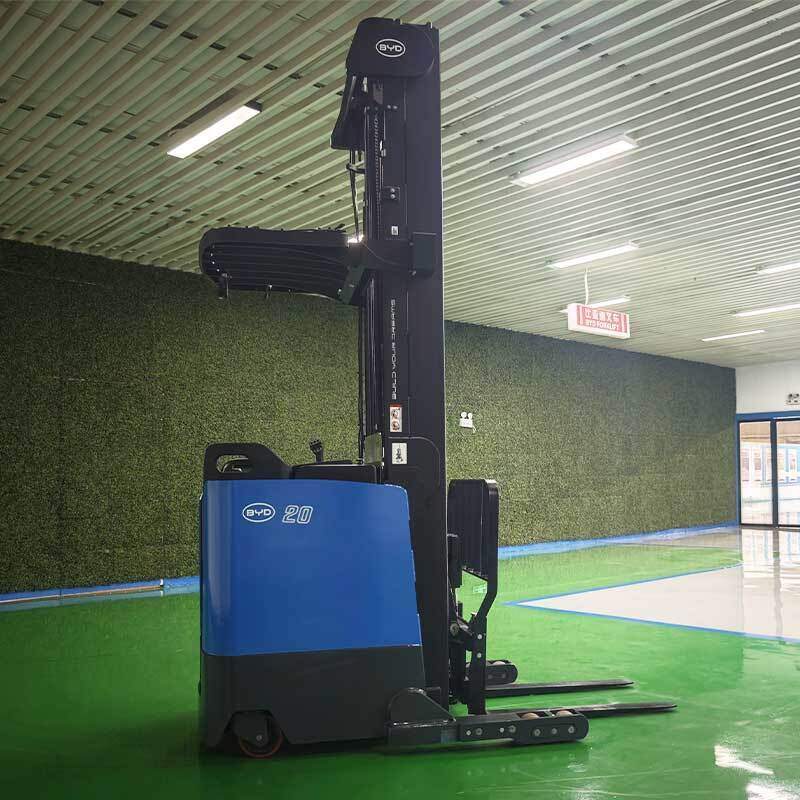
As electric forklifts are increasingly applied in modern warehouse, manufacturing and logistics scenarios, mastering standardized use and maintenance knowledge can help operators reduce unnecessary equipment wear, lower potential safety risks, and support more stable and efficient daily material handling work.
Core Pre-operation Check Specifications
Before starting any operation, operators need to conduct a full appearance inspection of the equipment first, to confirm there is no obvious external damage to the body, fork structure and overhead protective guard. Next, check the remaining power level of the power system, test the flexibility of the steering mechanism, lifting system and braking component one by one, and confirm that all warning indicators on the instrument panel are in normal state. If any abnormal sign is found during the check process, the equipment should not be put into use before the hidden trouble is fully eliminated.
Standard Operation Best Practices
During the operation process, operators need to keep the vehicle body running at a stable and proper speed, avoid sudden acceleration, sudden braking and sharp steering actions as much as possible. When carrying loads, the weight of the goods should be kept within the rated load range, and the center of gravity of the goods should be adjusted to the proper position to avoid side tipping risks. When the lifting height of the fork exceeds a certain range, the traveling speed should be controlled at a lower level, and the surrounding personnel and obstacles should be observed at all times. After the operation is finished, the fork should be lowered to the lowest position, the handbrake should be pulled up, and the power switch should be turned off before leaving the operation position.
Routine Daily Maintenance Guidelines
For daily maintenance work, operators need to wipe the dust and sundries on the surface of the equipment in time after each shift, clean the dust attached to the heat dissipation part of the power system to ensure good heat dissipation effect. The battery module should be charged in the specified charging area according to the standard process, avoid over-discharging and overcharging behavior, and check the connection state of the charging interface regularly to keep it clean and dry. Regularly check the wear degree of the tire, transmission part and hydraulic oil level, arrange professional personnel to replace the wearing parts according to the actual loss condition, to keep the equipment in good working state for a long time.


