
 简体中文
简体中文 Русский
 Français
 Português
 Español
 لالعربية

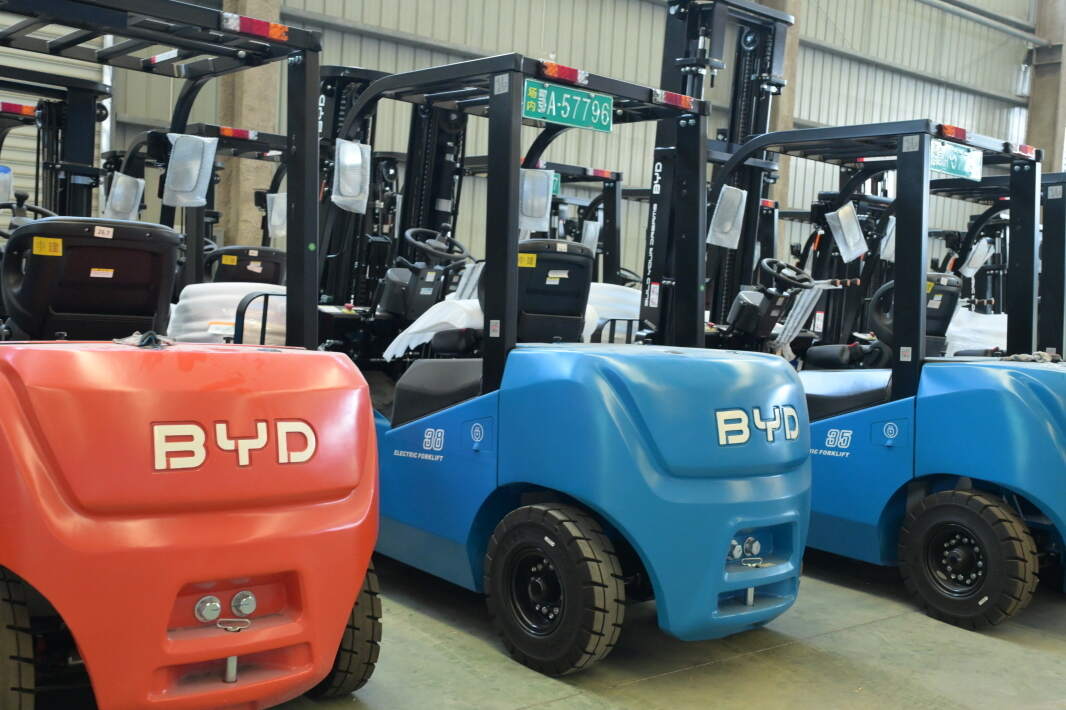
Against the backdrop of growing demand for energy-efficient industrial equipment, electric forklifts have gradually become one of the most widely used material handling tools in warehousing, manufacturing, and distribution sectors. Mastering the core knowledge of electric forklift application, operation and maintenance can help relevant practitioners fully leverage the equipment’s advantages, and create higher value for daily material handling work.
Core Application Scenarios of Modern Electric Forklifts
Unlike traditional internal combustion handling tools, electric forklifts are suitable for closed indoor working environments with strict requirements for air quality and noise control. In standard distribution warehouses, these equipment can complete loading, unloading, stacking and short-distance transferring work of palletized goods stably. They also fit for light to medium intensity material handling tasks in food processing workshops, pharmaceutical production sites and retail distribution centers, where zero exhaust emission and low operation noise are basic industrial operation requirements. Users can select corresponding load capacity and lifting height specifications according to their actual working throughput and channel width conditions, to match the real working demand properly.
Routine Maintenance Tips to Extend Service Life
Daily scientific maintenance is a key part to keep electric forklifts in stable working condition for long term. Operators need to check the power system status before each shift, confirm the remaining power level is sufficient to support the whole working task, and avoid deep discharge behavior that may cause extra loss to the energy storage module. It is also necessary to regularly clean the dust and sundries accumulated on the walking motor, hydraulic system and vehicle body, check the wear degree of tires and brake components, and arrange professional personnel to conduct regular system inspection according to official operation manual requirements. Proper daily maintenance can effectively reduce unexpected equipment failure rate, and cut down unnecessary standby cost in daily operation.
Standard Operation Specifications to Reduce Safety Risks
Standardized operation is the foundation to ensure no safety accidents happen during electric forklift working process. Operators need to receive full professional training before taking up the post, master the correct operation logic of each control component, and avoid overloading the equipment beyond the rated load range during goods handling. When the equipment is running in narrow warehouse channels, operators need to keep the driving speed at a safe low level, and pay continuous attention to the surrounding pedestrians and obstacles to avoid collision. It is not allowed to carry out long-distance manned operation on the working vehicle, and relevant warning signs shall be set up in the operation area with low visibility to remind surrounding personnel to keep safe distance.
Value of Electric Forklifts for Low-carbon Industrial Transformation
As the whole industrial sector is promoting the transformation of green and low-carbon operation, the popularization of electric forklifts helps reduce the emission of exhaust pollutants in industrial working sites. The low noise performance of the equipment also helps improve the working environment comfort of on-site operators, and reduce the noise interference to surrounding office and production areas. Reasonable arrangement of electric forklift working schedule can make full use of peak valley electricity price policy to reduce the energy use cost of equipment operation, which brings multiple benefits to the long-term operation of industrial and logistics enterprises.


