
 简体中文
简体中文 Русский
 Français
 Português
 Español
 لالعربية

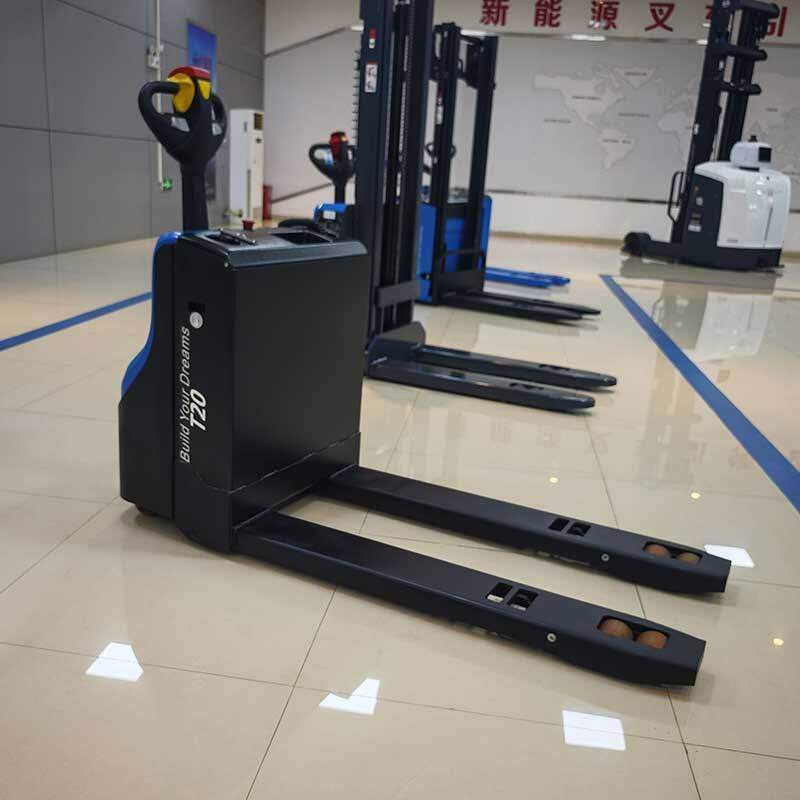
When teams start the process of sourcing new material handling trucks for daily warehouse, distribution center or manufacturing site operations, most evaluation checklists focus heavily on load capacity, power output and service life of the hardware, but often overlook operator-related factors that directly impact long-term operation performance and staff well-being.
First, assess the ergonomic features tailored to your regular operator groups. Different sites have operators of varying height, physical condition and daily operation duration. Look for adjustable seat positions, non-slip standing platforms for stand-up units, easy-to-reach control levers that do not require excessive arm stretching, and shock absorption structures that reduce vibration transfer to the operator’s body during long shifts. Even small adjustments to these details can reduce the rate of muscle fatigue and minor work-related discomfort after 4 to 6 hours of continuous operation, which supports consistent work output across full shifts.
Second, evaluate the operation complexity against the existing skill system of your operator team. For sites that have a high turnover of temporary frontline staff, selecting units with intuitive, icon-based control panels and clear visible status indicators can cut down the learning cycle for new operators dramatically, reducing the chance of misoperation caused by unfamiliar interfaces. You can also arrange for 1 to 2 of your most experienced regular operators to test the demo units on site with your actual regular handling routes, to get direct feedback on how the units respond to turning, lifting and deceleration actions that match their daily operation habits.
Third, verify the built-in safety features that align with your site’s common operation scenarios. Features like automatic speed reduction when turning, obstacle detection alerts that send visible and audible reminders to operators, and emergency stop buttons set at positions that can be reached quickly even when the operator is in a slightly off-balanced posture, can effectively lower the risk of collision or tipping incidents that are often triggered by momentary operator inattention during high-intensity work periods.
Last, take long-term training and after-sales support related to operator capacity building into full consideration. Confirm that the provider can deliver structured operation guidance and regular refresh training sessions for all your on-site operators, to make sure every user of the new units can grasp all proper operation protocols, get familiar with all customized setting functions, and develop consistent good operation habits that extend the service life of the trucks while keeping daily operation smooth.


