
 简体中文
简体中文 Русский
 Français
 Português
 Español
 لالعربية

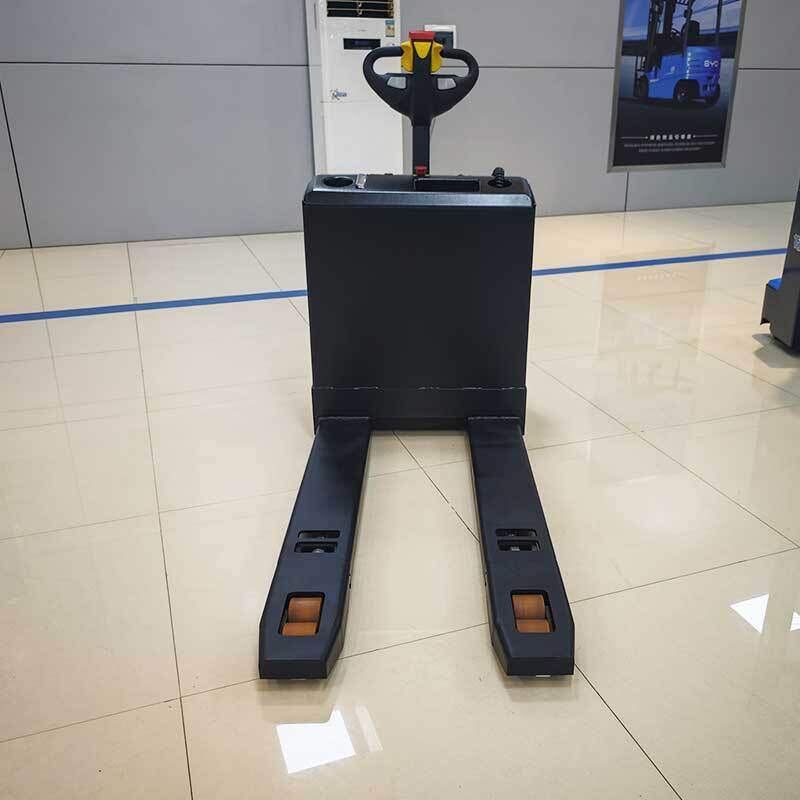
The design of modern industrial handling equipment pays growing attention to operator experience, as long-duration daily operation easily leads to physical fatigue and reduced work efficiency. As a widely applied electric handling tool in logistics, manufacturing and retail scenarios, BYD counterbalance forklift integrates multiple human-centered optimizations for ergonomic working experience, starting from actual usage habits of frontline operators in different operation scenarios.
The first key design detail is the optimized operation cabin layout. The reserved foot rest area provides sufficient moving space for operators, and the height of the pedal position is adjusted to match the natural sitting posture of most adults, which effectively reduces the pressure on the calf and waist during long time operation. The non-slip matte texture on the pedal surface also avoids the risk of slipping even when the sole is stained with a small amount of oil or water in the complex working environment. The reserved storage space around the cabin can hold common small items such as water cups and work gloves, freeing the pockets of operators and avoiding extra distraction during operation.
The second core design is the adjustment of control components. The height and angle of the steering column can be adjusted freely within a reasonable range, to match different operators with different heights and operation habits. The weight of the steering wheel is set to a moderate level, which will not cause extra arm burden after hours of continuous steering operation, while ensuring sufficient operation stability even on uneven ground. The operation levers on the side of the seat are arranged in the most frequently touched area within the natural movement range of the operator’s hand, so there is no need to stretch the arm excessively for adjustment. The buttons on the operation panel are marked with high-contrast identification, which can be clearly recognized even in low-light working conditions.
The third optimization is the seat and view design. The high-density elastic cushion of the seat can disperse the upper body pressure evenly, and the backrest fits the natural curvature of the human spine, offering proper support for the waist and cervical spine. The overall structural frame of the forklift mast adopts reasonable thinning treatment on the premise of guaranteeing standard load-bearing performance, which brings wider front view for operators, and they can clearly observe the position of goods and surrounding obstacles without extra head movement. These targeted ergonomic designs do not pursue redundant fancy functions, but fully match the actual demands of daily material handling operation, helping operators keep a comfortable state during long shifts and complete each handling task steadily.


