
 简体中文
简体中文 Русский
 Français
 Português
 Español
 لالعربية

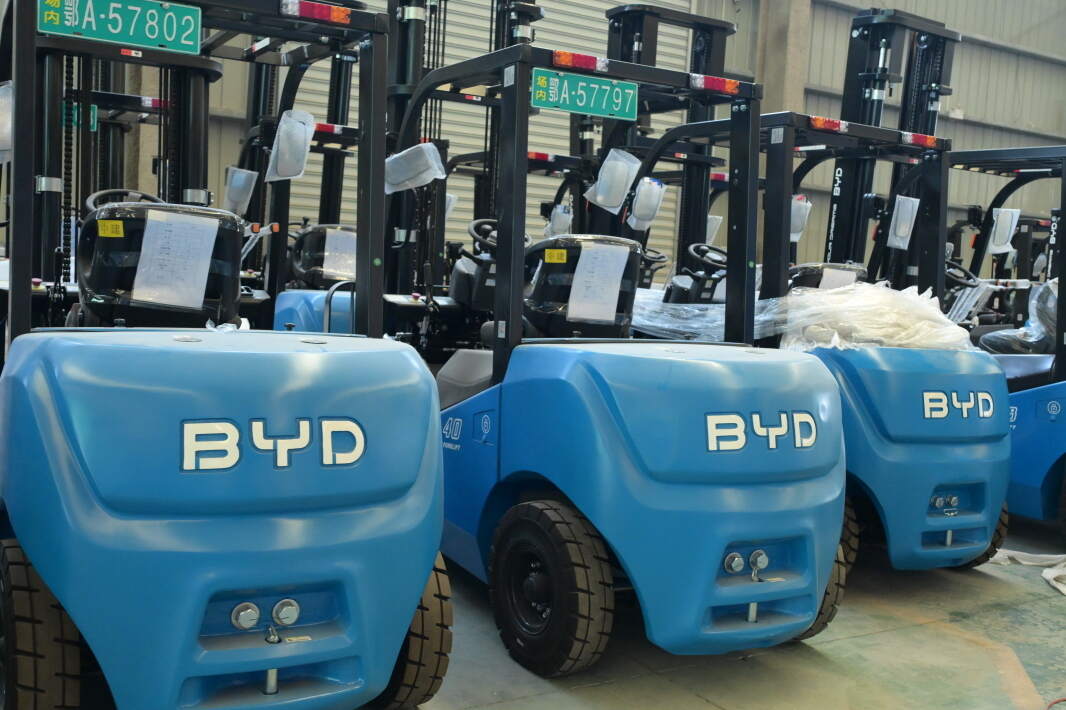
Against the background of growing demand for low-carbon and environment-friendly logistics operations, electric forklifts have become one of the most widely used material handling equipment in indoor warehousing scenarios in recent years. Compared with traditional internal combustion power equipment, it brings more optimized use experience for frontline operators and operation management teams.
Core Application Advantages of Electric Forklifts
Different from fuel-powered equipment that produces exhaust emission during operation, electric forklifts generate zero tail gas in the whole working process, which can meet the environmental requirements of enclosed storage spaces such as food warehouses, pharmaceutical storage areas and e-commerce fulfillment centers. Its overall operation noise is much lower than that of internal combustion equipment, which can reduce the noise interference to surrounding staff and avoid discomfort caused by long-term high-noise working environment. The vibration generated during operation is also controlled at a lower level, which effectively reduces the physical fatigue of drivers after continuous hours of handling work.
Standardized Operation Specifications for Daily Use
Before each startup, operators need to check the remaining power level of the power unit, the flexibility of the braking system, and the smoothness of the lifting hydraulic structure, to ensure all components are in normal state before formal operation. During the handling process, operators should strictly follow the rated load limit requirement, avoid overloading operation that may cause extra loss to the load-bearing structure. When the equipment passes through narrow aisles or turns in limited space, the travelling speed should be reduced properly, and enough safety distance should be kept from surrounding personnel and stacked goods. If the equipment is left unused for a long period, the power unit should be charged periodically, and it is not recommended to run the power unit completely out of power before next charging.
Routine Maintenance Tips to Reduce Unplanned Downtime
Daily maintenance work does not require overly complex operation procedures. Operators can wipe off the dust and residual debris on the equipment surface after each shift, to avoid sundries entering the gap of movable components. The connection points of power lines should be checked regularly to confirm no loose or corrosion phenomenon, and the liquid level of hydraulic oil should be kept within the range specified by the equipment design. When the tire wear degree reaches the preset warning line, the corresponding parts should be replaced in time to keep the equipment running stably. Correct and standardized use and maintenance can help enterprises give full play to the performance of electric forklifts, and bring more stable support for the daily material handling work of warehouses.


