
 简体中文
简体中文 Русский
 Français
 Português
 Español
 لالعربية

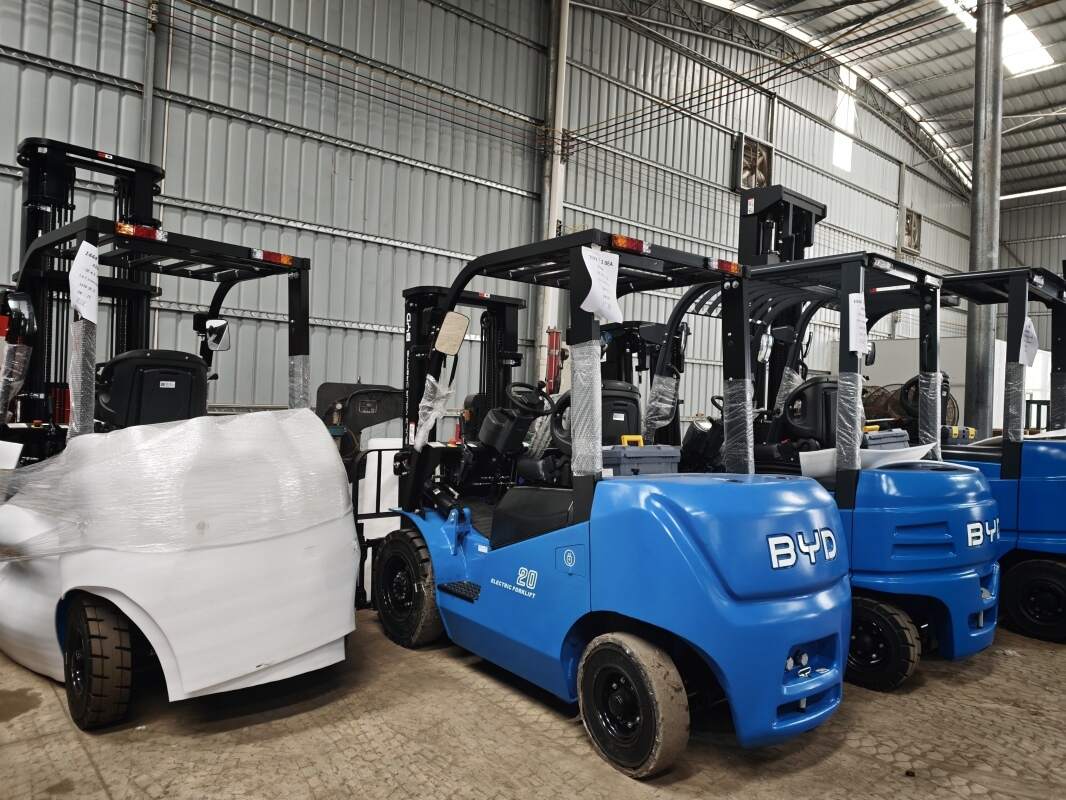
Low-temperature cold storage facilities usually maintain operating temperatures ranging from 0℃ down to minus 30℃, which brings unique challenges for electric pallet trucks that operate stably under normal room temperature conditions. Without targeted operation rules and proper maintenance arrangements, the service life of core components of the equipment will be shortened, and potential safety hazards may also appear during daily material handling work.
Before each equipment enters the cold storage area, full pre-operation inspection is a necessary first step. Operators need to confirm the battery power is above 80% before entering the low-temperature area, as battery discharge speed will increase significantly in cold environments, low power level may cause unexpected shutdown inside the cold room. It is also required to check the sealing gaskets of the hydraulic system, circuit connectors and wheel rotating parts, make sure there is no obvious aging crack on these components. Workers should wipe off all accumulated normal temperature water stains on the equipment surface completely before entering the cold storage, to avoid water ice formation that may block moving parts in the low temperature environment.
During the in-storage operation process, operators need to follow standardized working rules strictly. Avoid continuous full-load operation for more than 1 hour, arrange 2 to 3 minutes of idle rest after each long time heavy load movement, to prevent the drive motor from overheating under low temperature condition. When controlling the lifting and lowering of the fork, keep the operation speed slow and stable, as the viscosity of hydraulic oil will rise under low temperature, too fast action may cause unbalanced fork shaking. It is not recommended to move the equipment frequently between the normal temperature operation area and the low temperature cold storage in a short period, which will cause condensed water to form inside the circuit and components easily.
After finishing all daily cold storage handling tasks, proper post-operation arrangement can effectively avoid unnecessary component damage. The equipment should not be stored inside the low temperature cold storage for a long time directly, operators need to move it to the dedicated temperature transition buffer area, which keeps temperature around 0℃ to 5℃, and let it stand for 2 to 3 hours to make the frost and ice on the surface melt naturally. After cleaning the residual moisture on the equipment surface, operators can move the electric pallet truck to the normal temperature charging area, never charge the battery directly under low temperature environment, which will cause irreversible damage to the battery performance.
For long term routine maintenance, it is recommended to replace all lubricating grease and hydraulic oil with low temperature adaptive specifications according to the actual operating frequency. Check the sealing performance of all circuit connectors every two weeks, replace the aging protective sleeve in time if any damage is found. Record the actual battery duration and operating status of each equipment after long time low temperature use regularly, and move the equipment out of the cold area immediately to carry out fault inspection once abnormal operation appears. Following all these practical points can effectively extend the equipment service life, reduce unnecessary operation cost, and keep the cold storage material handling process running steadily for a long time.


