
 简体中文
简体中文 Русский
 Français
 Português
 Español
 لالعربية

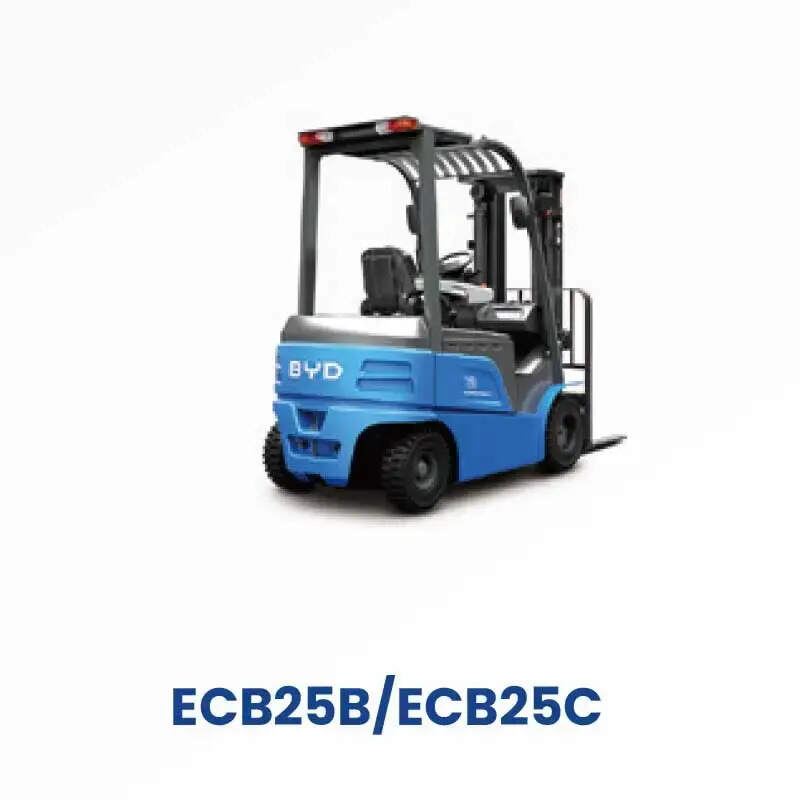
Warehouse intersections are high-frequency crossing areas for electric forklifts, walking staff and manual cargo transfer trolleys, where hidden safety risks are far higher than ordinary straight operation paths. Unscientific traffic arrangement will not only cause unnecessary collision risks, but also lead to traffic jams that reduce the overall operation efficiency of the warehouse.
The first core measure is to complete visual traffic marking and view optimization. Operators can draw obvious deceleration prompt lines at 3 to 5 meters in front of each warehouse intersection, and paste eye-catching cross area warning signs on surrounding walls or columns. Different passing paths can be distinguished by ground markings of different colors to avoid mutual overlapping of forklift driving paths and pedestrian passages. For blind corner intersections with blocked view, install wide-angle convex mirrors at appropriate positions to eliminate visual dead zones, so that electric forklift drivers can clearly observe the traffic status on the other side of the intersection in advance.
The second measure is to formulate clear and unified traffic operation rules. For narrow intersections with limited space, you can implement a unidirectional passing rule to avoid two electric forklifts meeting head-on in the small area. A clear right-of-way rule should be set that the electric forklift that has entered the intersection first gets the priority to pass, and no overtaking behavior is allowed within 5 meters of any intersection. All electric forklift drivers are required to honk gently and adjust the driving speed to below 3km/h when approaching the intersection, to ensure that they can brake to a stop in a very short distance in case of sudden obstacles.
The third measure is to deploy low-cost auxiliary warning facilities and implement regular patrol management. For high-traffic intersections with daily forklift flow exceeding 100 times, infrared sensing acousto-optic reminder devices can be installed at the entrance of the passage, which will send out soft prompt signals when a moving electric forklift is detected, to remind staff walking on the other side of the intersection to pay attention to dodge. The warehouse safety management team can arrange irregular patrols during the peak operation period every day, correct non-standard driving behaviors in time, and organize all relevant personnel to participate in intersection traffic safety training once a month to consolidate operation awareness. After long-term stable implementation of the above measures, the warehouse can build an orderly traffic order at intersections, effectively reduce the probability of safety incidents, and create a more reliable working environment for all on-site personnel.


