
 简体中文
 Русский
 Français
 Português
 Español
 لالعربية


For modern logistic and warehouse operations, batteries supporting electric forklifts are the core power component that directly relates to daily operation efficiency, labor cost input and comprehensive operation safety. Many warehouse managers often face confusion when selecting or evaluating such batteries, as improper evaluation method may lead to unexpected downtime, extra maintenance expenditure and even hidden safety risks in daily work.
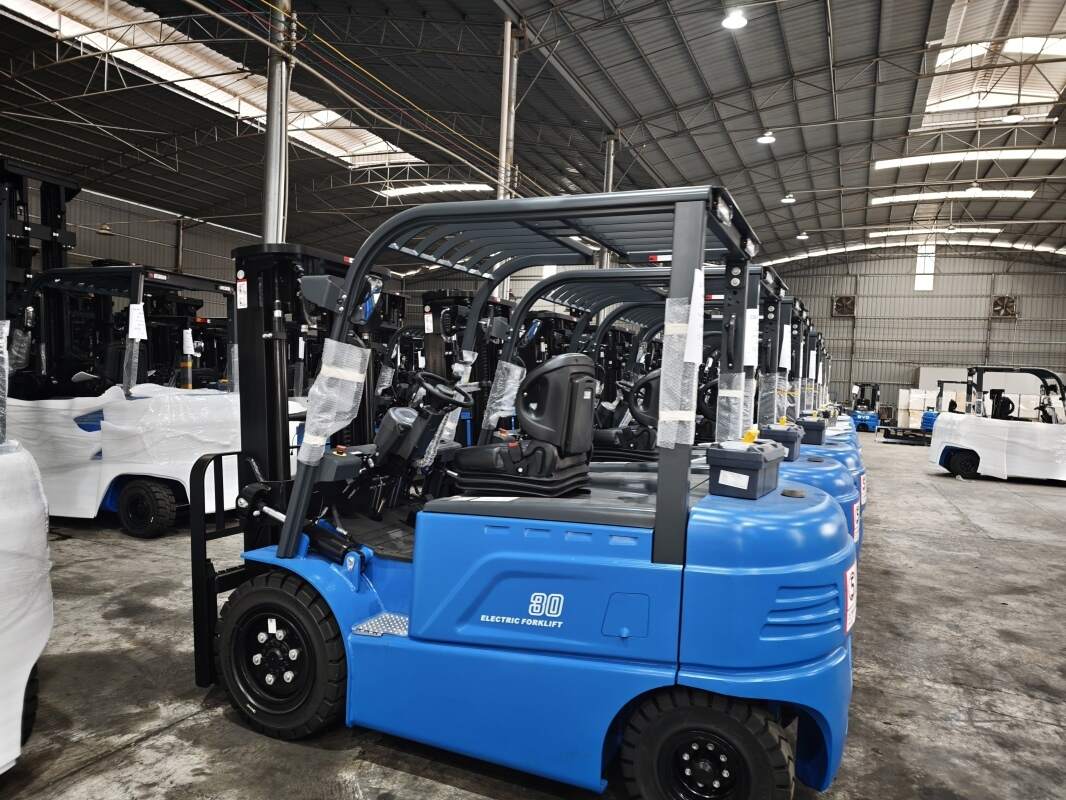
The first core dimension to evaluate logistic and warehouse batteries is practical working performance matching degree, rather than only referring to nominal parameters on product brochures. You need to combine your actual warehouse operation conditions, including daily average operation hours, peak hour continuous full-load demand, special working environment such as low-temperature cold storage or high-temperature open stacking yard, to test the actual discharge efficiency under simulated real working conditions. A qualified battery can maintain stable power output under long-time continuous working conditions, and its performance fluctuation under extreme temperature environment can be controlled within a reasonable range to avoid sudden power off in the middle of cargo handling process.
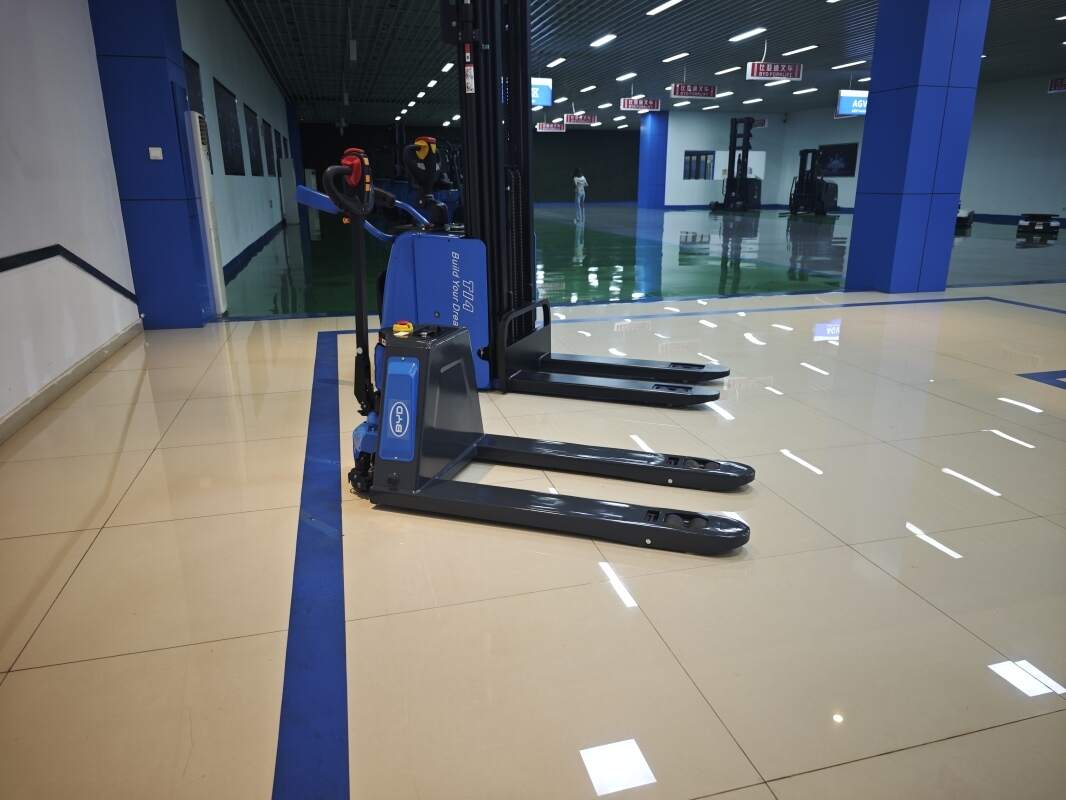
The second core evaluation dimension is full lifecycle comprehensive cost accounting. Many operation teams only take initial procurement cost as the core reference, which easily leads to higher total expenditure within 3 to 5 years of operation. You need to calculate the total cycle life of the battery, regular daily maintenance cost, charging energy loss, and subsequent recycling residual value comprehensively. Batteries with longer cycle life can effectively reduce the frequency of battery replacement, and avoid the production halt loss caused by frequent battery replacement and maintenance.
The third core evaluation dimension is safety performance adaptation for industrial scenarios. Standard logistic and warehouse batteries should be equipped with complete protection mechanisms for overcharge, over-discharge, overheating and overload, which can fit the frequent opportunity charging demand in peak operation periods, and will not bring hidden safety risks in high-frequency use scenarios. You can also check if the battery structure design is compliant with local industrial warehouse safety specifications, to meet the fire protection requirements of intensive storage spaces.
If you need more professional guidance on battery matching for electric forklifts, we are Jian Shu New Energy, focusing on BYD electric forklift related supporting services, you are welcome to send consultation email to [email protected] for customized solutions.


