
 简体中文
简体中文 Русский
 Français
 Português
 Español
 لالعربية

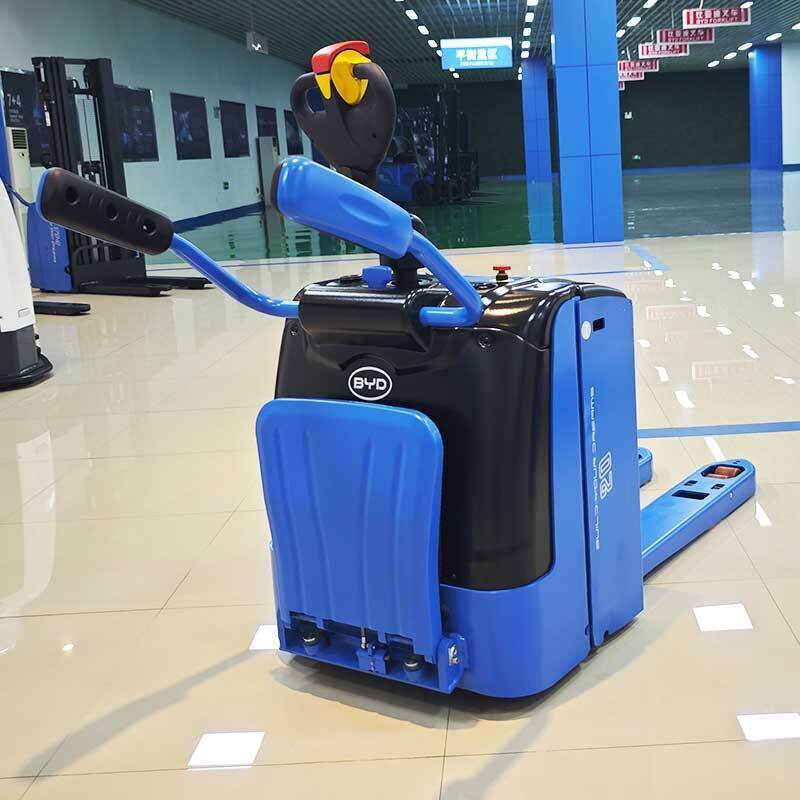
As the core equipment of modern industrial material handling, electric forklifts are widely adopted in warehousing, manufacturing, retail distribution and many other scenarios in recent years. Rational mastering of relevant application rules and maintenance skills can help enterprises give full play to the value of such equipment to a large extent.
Core Application Advantages of Electric Forklifts
Compared with traditional fuel-powered handling equipment, electric forklifts produce no local exhaust emission during operation, which makes them more suitable for closed indoor scenes, cold storage areas and other spaces with strict requirements for air quality and working environment. The low-noise operation feature also reduces disturbance to surrounding workers, creating a more comfortable working environment for the whole operation team. The energy consumption cost per unit of operation is relatively controllable, which can bring stable cost control effect for long-term large-scale use.
Standardized Daily Operation Specifications
Before starting each operation, operators need to complete basic inspection work, including checking the remaining battery power, the sensitivity of the brake system, the wear condition of the forks and the flexibility of the steering system. During the operation process, the driving speed should be controlled within a reasonable range according to the site condition, and sudden acceleration or sharp steering should be avoided as much as possible. Operators should not carry over-limit goods beyond the rated load, and keep stable driving state when passing ramps and narrow passages. After the daily operation is finished, the equipment should be parked in the designated area, cut off the main power supply, and confirm no hidden safety risks before leaving.
Scientific Routine Maintenance Strategies
The core energy storage component of electric forklift needs regular inspection of the connection points, to avoid dust accumulation or liquid erosion affecting the normal charging and discharging effect. Users should follow the official guide to complete the charging process, avoid long-term under-power storage that may cause damage to the battery performance. It is also necessary to regularly check the sealing performance of the hydraulic system, check the wear degree of solid or pneumatic tires, and timely replace the seriously worn parts to avoid potential safety hazards. Regular inspection of the circuit aging condition can effectively reduce the failure rate of the equipment.
Practical Performance Optimization Methods
According to the actual load demand and working scenario characteristics of daily operation, users can adjust the relevant operation parameters of the equipment within the allowed range, to match the actual work demand and reduce unnecessary energy consumption. Reasonably planning the operation path can effectively reduce invalid driving trips, improve the turnover efficiency of unit time. In extreme low temperature or high humidity working environment, taking targeted protective measures for the core components can help the equipment maintain stable output performance for a long time.


