
 简体中文
简体中文 Русский
 Français
 Português
 Español
 لالعربية

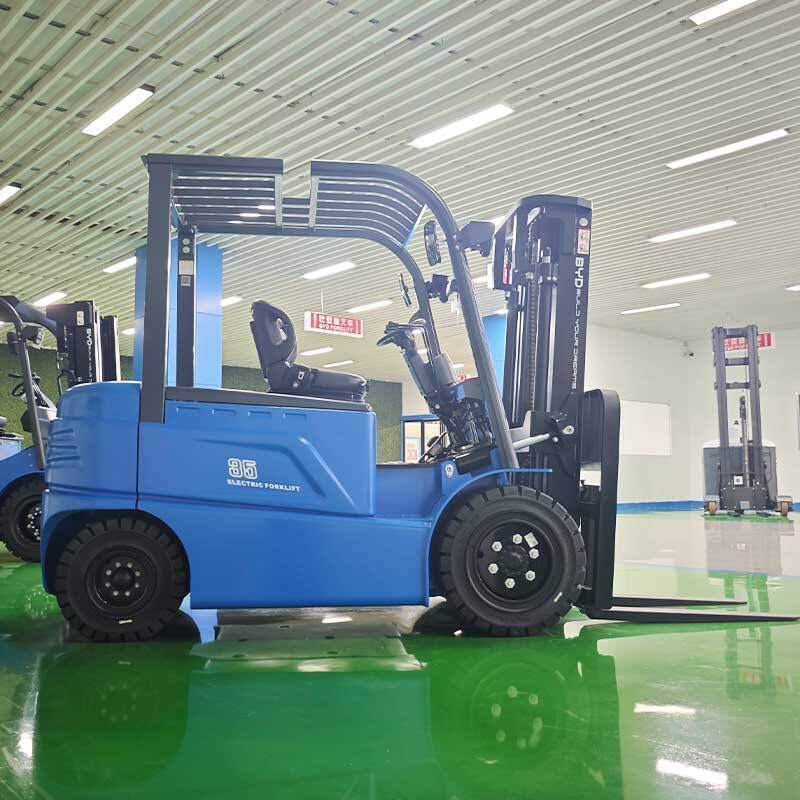
With the continuous promotion of low-carbon logistics and high-efficiency warehousing concepts, electric forklifts have become one of the most widely used material handling equipment in modern warehouse, manufacturing and distribution scenarios. Many frontline operators and warehouse managers still have confusion in how to give full play to the performance of electric forklifts, reduce unnecessary wear and ensure long-term stable operation, and the following content sorts out targeted practical professional guidance for related practitioners.
Core Operational Specifications for Daily Electric Forklift Use
Unlike internal combustion forklifts that rely on fossil fuel power, electric forklifts take power battery packs as the core energy supply component, so the first point of standardized operation is to avoid overloading beyond the rated load marked on the equipment body during daily operation. Operators need to complete pre-start inspection before each shift, check the remaining power level, the flexibility of lifting and steering components, and the sensitivity of brake system. When operating in narrow aisle spaces, operators should control the driving speed within the specified range, and avoid sudden direction changes or emergency braking under full load state, which may cause extra loss of motor and controller components.
Routine Maintenance Tips to Extend Equipment Service Life
Regular targeted maintenance can effectively reduce the frequency of unexpected failures of electric forklifts, and most daily maintenance work can be completed by on-site operators without extra professional technical support. After each use, operators should wipe off the dust, cargo residues and sundries attached to the surface of the equipment, especially the heat dissipation structure of the motor and the surface of the power battery, to avoid sundries blocking the heat dissipation channel and causing abnormal temperature rise during subsequent operation. For the battery pack, it is recommended to arrange charging at a relatively constant ambient temperature between 10 and 30 degrees Celsius, avoid complete discharge of the battery pack for a long time, and do not place the electric forklift in a humid, high temperature or direct sunlight environment for a long time when it is idle.
Scenario Adaptation Optimization for Better Application Effect
Different application scenarios can adjust the use mode of electric forklifts according to their actual operation characteristics, so as to obtain better use experience. For high-frequency operation scenarios that need to work for more than 8 hours continuously, users can configure spare battery packs for rotation use, to avoid operation interruption caused by insufficient power in peak working hours. For narrow aisle warehousing scenarios, operators can match the corresponding gantry accessories according to the maximum cargo weight and lifting height requirements, to make the limited channel space get more sufficient utilization.
Necessary Safety Compliance Notes for Long-term Operation
All electric forklift operators need to receive professional operation training before taking up the post, and pass the corresponding assessment to master the correct operation logic. Regular full-safety check for the whole equipment every month, to eliminate potential safety hazards in the initial stage, which can create a more stable and safe working environment for all on-site warehouse staff.


