
 简体中文
简体中文 Русский
 Français
 Português
 Español
 لالعربية

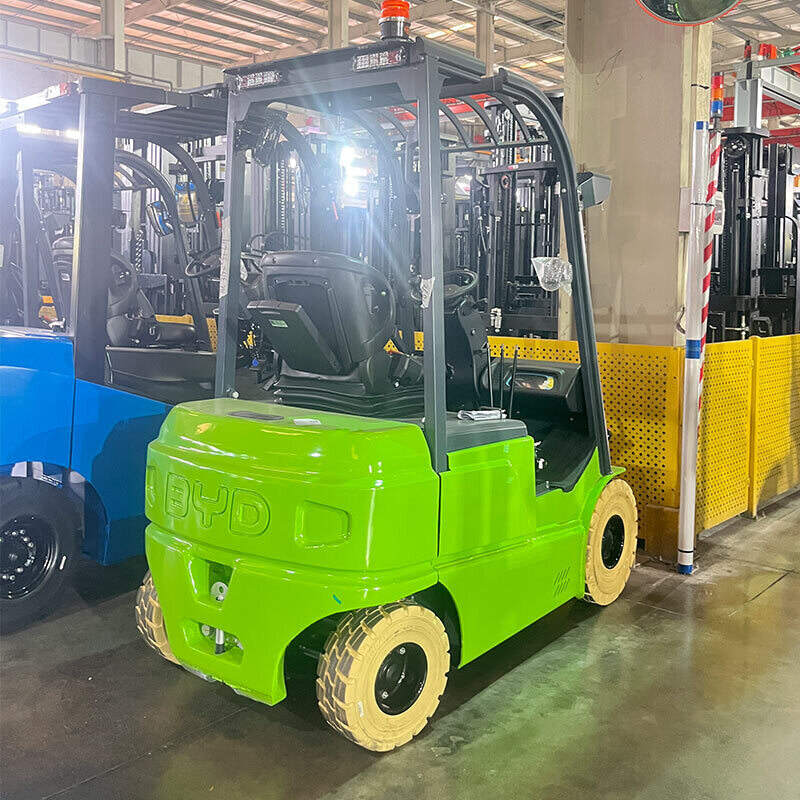
Against the backdrop of growing demand for low-carbon and efficient logistics operations across the global industrial sector, electric forklifts have become one of the most widely applied material handling equipment in closed warehouses, manufacturing workshops and urban distribution centers in recent years. Unlike traditional internal combustion power counterparts, electric forklifts run on rechargeable battery packs, producing zero local exhaust emissions and generating relatively low operating noise, which fits the management requirements of indoor working scenarios with strict air quality and noise control standards.
Core Operation Specifications for Daily Use
Before starting any shift operation, operators need to conduct a quick pre-check covering the braking system, remaining battery level, lifting mechanism flexibility and light warning function status, to eliminate hidden risks before formal task execution. During the operation process, staff should strictly follow the rated load limit marked on the equipment nameplate, avoid overloading that may cause damage to the hydraulic structure or sudden loss of control of the lifting function. When moving in areas with blocked sight or heavy pedestrian flow, operators should trigger the warning horn in advance to remind surrounding personnel to keep a safe distance, and avoid sharp turning or sudden braking on sloped roads to prevent sideslip of the vehicle and carried goods.
Routine Maintenance Best Practices
To extend the overall service life of the equipment and reduce unexpected downtime, operation teams need to follow standardized maintenance rules for electric forklift battery packs first. It is not recommended to drain the battery power completely before charging, and the charging process should be carried out in a cool, well-ventilated area that meets electrical safety specifications, to avoid potential overheating risks during long-time charging. Operators also need to check the wear condition of solid tires, the tightness of connecting wiring terminals and the liquid level of hydraulic oil on a regular basis, and park the vehicle with forks fully lowered and the hand brake pulled in the designated rest area when the equipment is not in use.
Scenario Adaptation Optimization Suggestions
For different industrial operation scenarios, teams can adjust the use pattern of electric forklifts accordingly to get better performance output. For narrow-aisle high-density warehouses, operators can set a reasonable maximum travel speed limit to reduce the collision risk with storage racks. For low-temperature cold chain working environments, relevant staff can pre-run the battery management system for a short period before formal operation to ensure stable power output. For scenarios requiring long hours of continuous operation, the work scheduling plan can reserve proper buffer time for battery replenishment, to avoid long-time full-load operation that may accelerate the wear of core components.


