
 简体中文
 Русский
 Français
 Português
 Español
 لالعربية


Forklift battery charger is a core supporting component for the normal operation of electric forklifts, directly affecting the service life of the power battery and the overall operation efficiency of the material handling fleet. Many operators tend to ignore the matching and operation specifications of chargers in daily management, leading to unnecessary battery loss and potential safety risks that can be avoided through proper configuration.
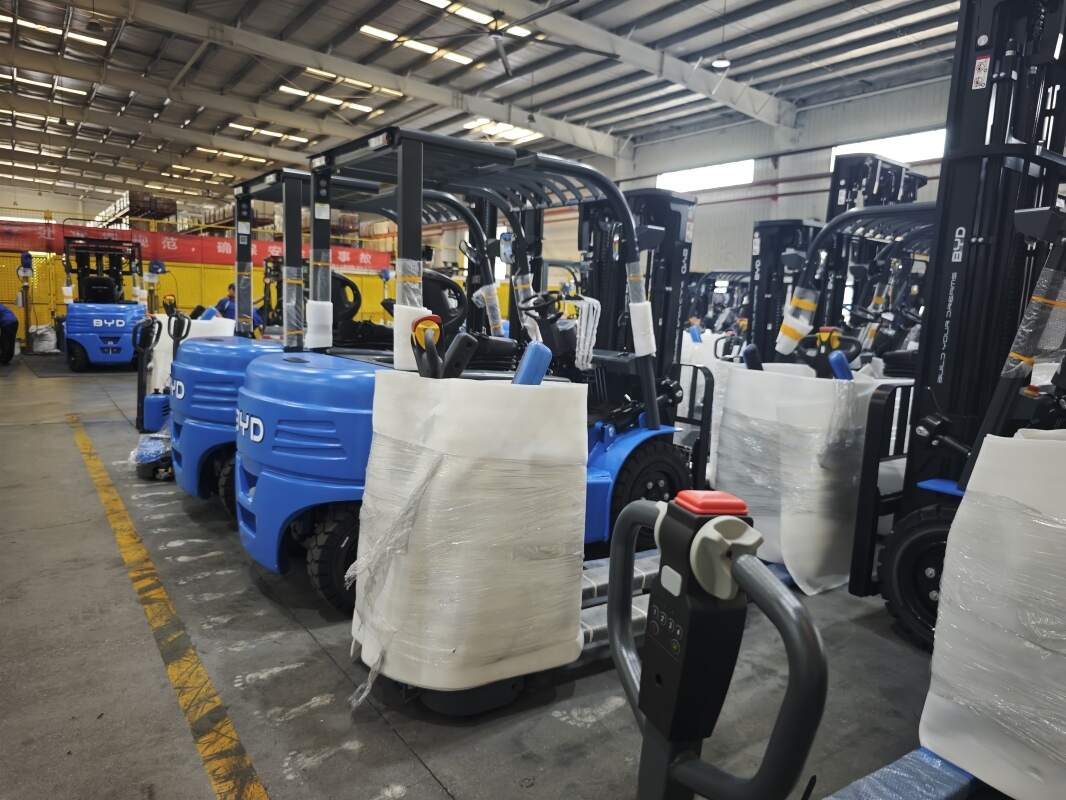
The first core consideration is compatibility matching. Different types of power batteries, including mainstream lithium iron phosphate batteries and lead-acid batteries, have completely different charging voltage and current curve requirements. Using mismatched chargers will accelerate the attenuation of battery cells, and cause abnormal temperature rise during long-term charging. Operators need to confirm that the rated output parameters of the charger fully match the rated voltage and rated capacity parameters of the supporting battery pack, and do not modify the interface by themselves to forcibly adapt batteries of different specifications.
The second key consideration is scene adaptation. For high-load two-shift operation scenarios, you can choose a qualified charger that supports opportunity charging, to supplement power during short breaks in non-working periods, without waiting for the battery to be fully discharged before full charging. For low-frequency daily operation scenarios, conventional industrial chargers can meet basic usage needs, no need to pursue excess redundant functions blindly, to maintain a reasonable use cost.
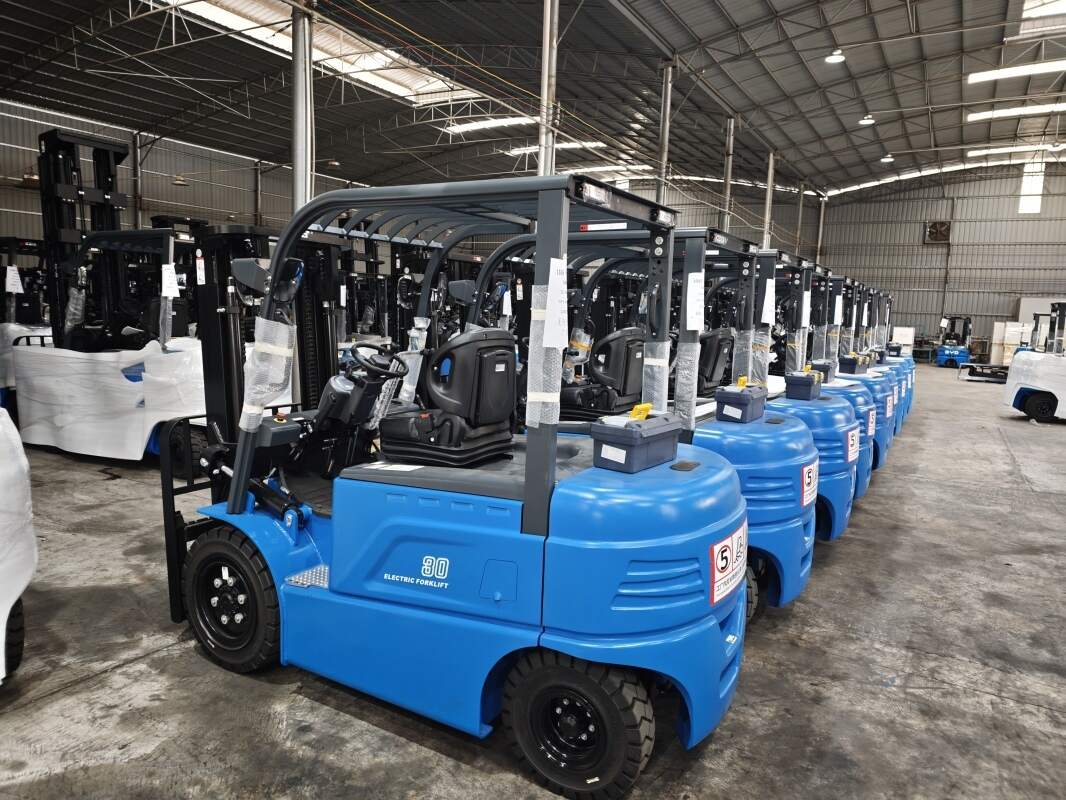
The third point to pay attention to is safety protection performance. Qualified industrial forklift battery chargers are equipped with basic overvoltage protection, overcurrent protection, overheating protection and short-circuit protection functions. The charging working area needs to keep ventilated and dry, away from flammable and explosive articles. Do not pull the charging cable at will during the charging process, check the wear of the cable regularly, and replace the accessories in time when damage is found.
The last point is daily operation and maintenance management. It is recommended to arrange special operation and maintenance personnel to be responsible for the daily inspection of the charger, regularly clean the dust on the surface of the equipment, check the oxidation of the connection interface, record the charging status of each battery pack, find abnormal conditions in time and deal with them in advance.
If you need professional supporting solutions for electric forklift charging systems, we are Jian Shu New Energy, focusing on BYD electric forklift related services, you can contact us via the email address [email protected] for further consultation.


