
 简体中文
简体中文 Русский
 Français
 Português
 Español
 لالعربية

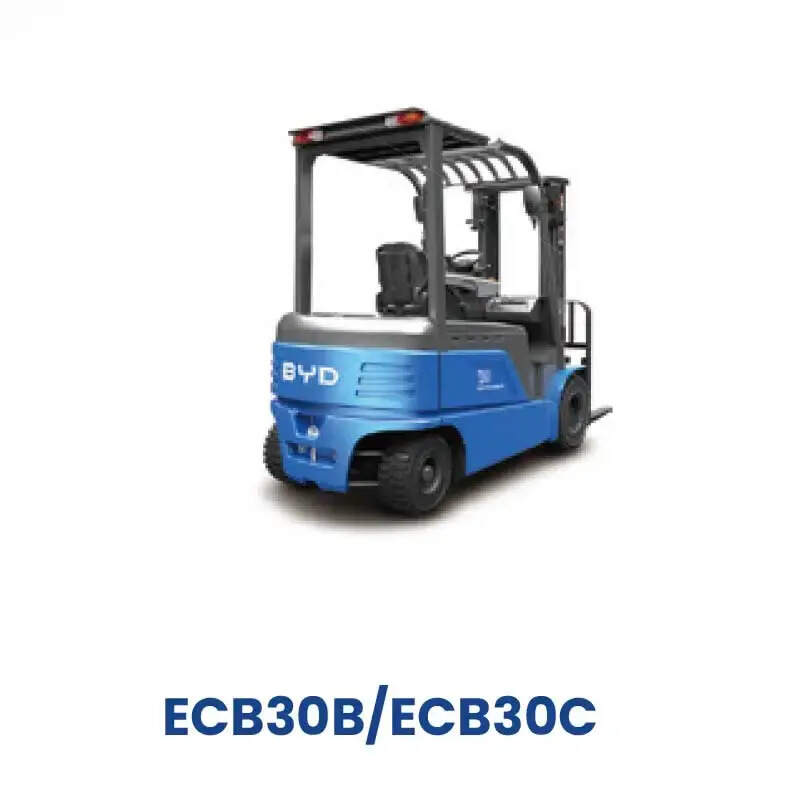
In modern warehouse and logistics operations, it is very common to encounter multiple pallet sizes from different supply chains, distribution partners and product lines. The fork configuration of electric pallet trucks directly affects the compatibility with different pallets, operation safety and overall handling efficiency. Choosing between fixed-fork and adjustable-fork designs requires full consideration of actual operation conditions, rather than blindly chasing excessive functions.
Fixed-fork Configuration: Core Features and Applicable Scenarios
The fixed-fork electric pallet truck has a preset fork width that is calibrated before leaving the factory, matching the dimensions of most commonly used standard pallets in conventional scenarios. The integrated structural design reduces extra movable parts, ensuring higher structural stability during daily frequent transportation. For operation teams that use only one or two uniform standard pallet sizes for a long time, this configuration can provide stable load support, reduce the possibility of component wear in long-term use, and lower the daily maintenance workload. This type of product is suitable for scenarios with standardized material flow, such as finished goods warehouses of manufacturing enterprises that use unified pallet specifications.
Adjustable-fork Configuration: Functional Advantages for Variable Pallet Sizes
The adjustable-fork electric pallet truck is designed with a flexible adjustment mechanism on the fork mounting base, which allows operators to adjust the spacing between the two forks within a specified range according to the actual width of the pallets to be handled. This design can adapt to pallet sizes of different specifications from various sources, no need to replace additional handling equipment when facing non-standard pallets with special widths. For cross-regional distribution centers, e-commerce fulfillment warehouses that receive goods from multiple suppliers, this configuration effectively expands the application scope of a single electric pallet truck, and avoids extra equipment procurement costs caused by mismatched pallet sizes. The adjustment process can be completed by trained operators in a short time without complex auxiliary tools.
Practical Selection Considerations
Before making the final purchase decision, operation teams can first sort out the full range of pallet sizes that appear in daily operations, count the proportion of non-standard pallets in the total handling volume, and evaluate the annual use frequency of the equipment. For scenarios where most pallets are of unified standard specifications, the fixed-fork configuration can meet the demand well, while for scenarios where a certain proportion of pallets have variable non-standard widths, the adjustable-fork configuration can bring better operation flexibility. No matter which configuration is selected, operators need to follow the operation manual to complete daily inspection and maintenance, to ensure long-term stable and safe use of the equipment.


