
 简体中文
简体中文 Русский
 Français
 Português
 Español
 لالعربية

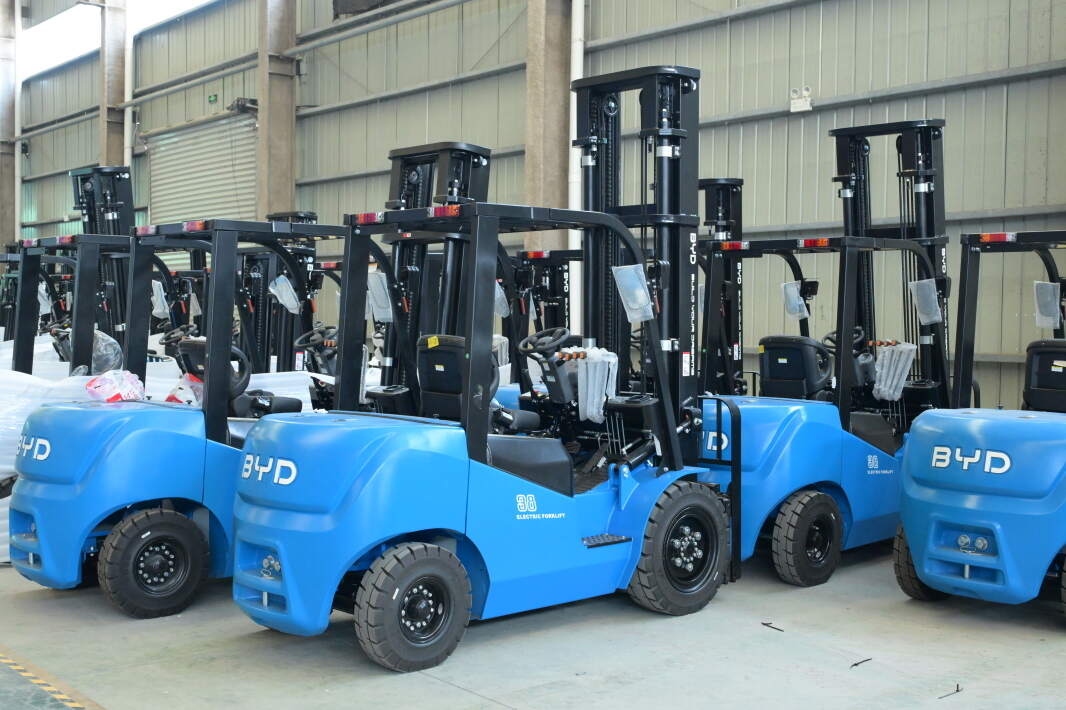
Electric forklifts have become one of the most widely used material handling equipment in modern logistics and warehousing sectors in recent years, as more enterprises focus on low-carbon operation and low long-term usage cost. This guide sorts out practical, verified industry insights for operators and warehouse managers to use electric forklifts properly.
Core Functional Advantages of Electric Forklifts
Different from traditional internal combustion handling equipment, electric forklifts generate no exhaust emission during operation, which makes them suitable for closed indoor warehousing spaces, cold storage and scenarios with strict air quality requirements such as food and pharmaceutical storage. Their overall operating noise is far lower than fuel-powered models, which can reduce the noise interference to on-site staff and lower the risk of occupational hearing-related issues in long-term operation. The energy consumption cost per hour of normal operation is also at a relatively controllable level for most small and medium-sized warehousing teams.
Standard Daily Operation Specifications
Before each startup, operators need to complete basic inspection work, including checking the remaining battery level, the sensitivity of the brake and steering system, and whether the warning lights and horn can work normally. During operation, staff should avoid overloading beyond the rated load capacity, and do not make sharp turns when the goods are lifted to a high position. Operators need to slow down at aisle intersections, and pay close attention to surrounding pedestrians and obstacles to avoid collision risks. It is not recommended to use the forklift to carry personnel or lift people to complete high-altitude operations without matching auxiliary supporting structures.
Routine Maintenance Tips to Prolong Equipment Service Life
For the core power battery part, operators need to regularly check the connection terminals for corrosion or loose conditions, and keep the battery surface clean and dry. It is not suggested to drain the battery power completely before charging, nor to leave the equipment in full charged state for a long time without usage. The hydraulic oil level and tire wear degree also need to be inspected at regular intervals, to avoid unexpected failure in the middle of operation. Regular dust removal of the motor and control circuit part can reduce the risk of component overheating during long hours of continuous work.
Scenario Adaptation Suggestions
For narrow aisle warehousing scenarios, users can select matched models with proper body width to improve space utilization rate. For low-temperature working environments, taking simple thermal insulation measures for the battery compartment can help maintain relatively stable output performance. Proper matching of equipment parameters and actual usage needs can effectively reduce unnecessary energy consumption and operation loss in daily work.


