
 简体中文
简体中文 Русский
 Français
 Português
 Español
 لالعربية

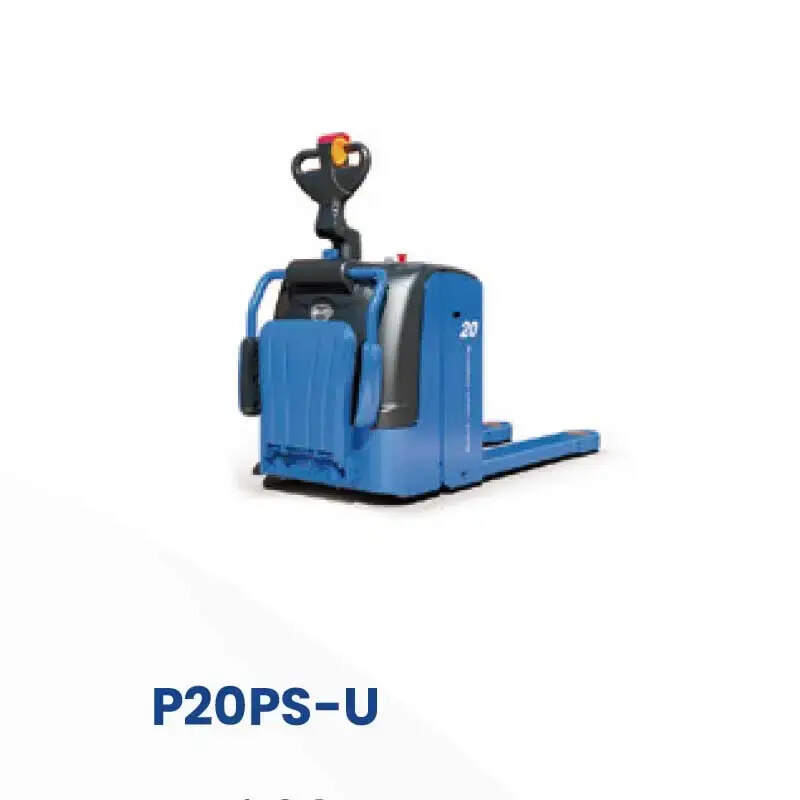
In modern manufacturing workshops, the transfer of finished products from the end of assembly lines to temporary storage areas or finished goods warehouses is a key link that directly affects the overall production turnover efficiency. Electric material-handling trucks have become a widely recognized option for such operation scenarios due to their low noise, zero local emission and flexible operation features, and a set of mature practical usage experience has been summed up in long-term on-site application.
The first core point is pre-commissioning adaptation matching before formal operation. Before putting the equipment into the assembly line finished product transfer scenario, the management team should combine the actual parameters of on-site conditions to make targeted adjustment: confirm the maximum single pallet weight of finished products, the average width of passages near the assembly line, and the reserved operation space at the docking station at the end of the assembly line, adjust the load limit, steering sensitivity and fork lifting speed of the equipment to the matching range, and complete no-load path simulation for 2 to 3 rounds to avoid scratching the semi-finished products and tools placed on the line side in subsequent formal operations.
The second point is standardized daily operation specifications. Operators need to complete three basic checks before each shift: confirm the remaining battery power level, the brake response sensitivity, and the flexible performance of fork lifting and lowering actions. During the transfer process, keep a stable acceleration and deceleration rhythm, avoid sudden braking that may cause collision damage to the finished products on the pallet. The number of pallets for single transfer should be controlled within 90% of the rated load, which can effectively reduce the loss of core components of the equipment.
The third point is reasonable daily maintenance arrangement. After each daily operation, park the equipment in the designated charging and storage area, do not carry out heavy load operation continuously when the remaining battery power is lower than 20%, to avoid irreversible damage to the battery pack. Regularly clean the production debris stuck in the gap of the walking wheels, check the wear condition of the hydraulic sealing parts, which can effectively extend the stable service life of the equipment. Following the above practical usage rules, enterprises can give full play to the advantages of electric material-handling trucks in assembly line finished product transfer operations, maintain long-term stable operation of the equipment, effectively reduce the comprehensive operation cost of on-site logistics, and support the smooth progress of the whole production rhythm.


