
 简体中文
简体中文 Русский
 Français
 Português
 Español
 لالعربية

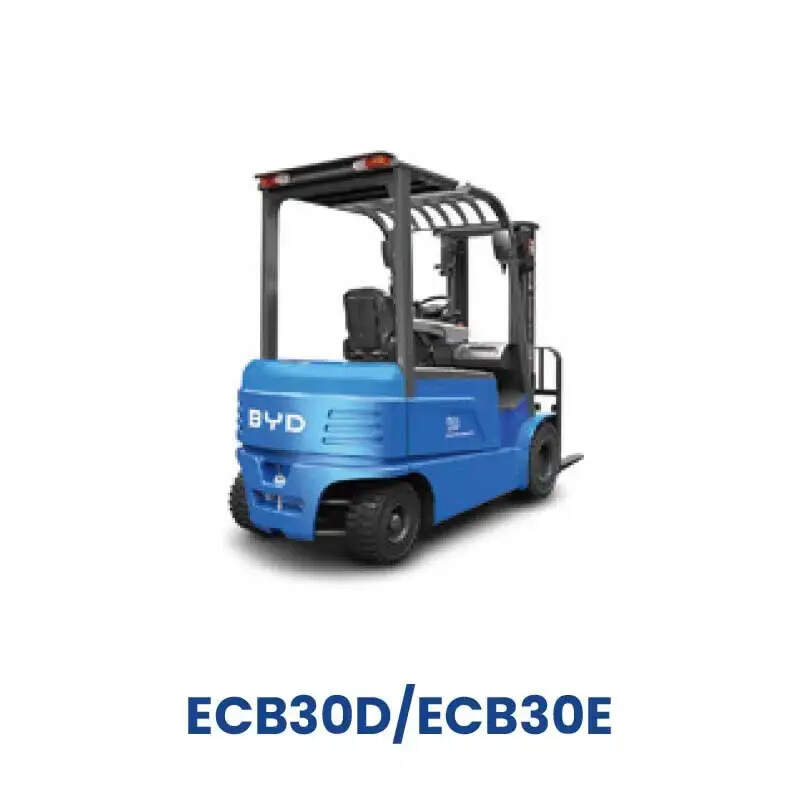
In recent years, the demand for stable material handling in open-yard cold environments, including winter outdoor logistics yards and transitional zones outside low-temperature storage areas, has kept growing. Such scenarios usually feature persistent low temperature, cold wind, and occasional thin frost on the operation path, which puts forward higher requirements for both equipment performance and operator experience. The two common electric forklift types, the model with independent enclosed operator cabin and the stand-on model, show different adaptation characteristics in such working conditions.
For the electric forklift with operator cabin, the core advantage in cold open-yard work comes from its sealed independent operation space. The cabin structure can block direct invasion of cold wind, and can be matched with auxiliary heating units according to actual demands, which effectively slows down the heat loss of operators during long-time continuous work. The relatively closed outer structure also reduces the direct exposure of core electrical components to low-temperature cold wind, which helps maintain relatively stable working temperature of the battery and control system, and reduces extra power consumption caused by frequent low-temperature wake-up of power modules. This type of forklift is suitable for scenes with long single handling distance and long single continuous operation time, and can keep relatively stable operation rhythm in 2 to 3 hours of continuous cross-yard transfer work.
As for the stand-on electric forklift, its structural advantage lies in its compact body size and no extra enclosed cabin structure, which brings smaller turning radius and more flexible passing performance. Operators can get on and off the equipment in a very short time, which greatly improves the efficiency in scenes that require frequent getting off to check goods labels, assist manual loading and sorting. The lighter overall weight also helps the equipment achieve more agile steering response when operating on slightly frosty open ground. It is more suitable for short-distance frequent handling scenes in dense stack areas of outdoor yards, where the single handling distance is usually less than 20 meters.
When selecting the proper model for specific open-yard cold environment work, enterprises can make judgments according to their actual operation flow. For scenarios with annual low temperature period longer than 3 months, average single handling distance more than 50 meters, the electric forklift with operator cabin can better balance operation continuity and operator comfort. For narrow channel areas where operators need to get on and off the equipment more than 10 times per hour, the stand-on model usually shows higher comprehensive operation efficiency. Both types of electric forklifts can complete supporting low-temperature adaptive modification according to actual demands, to further adapt to the characteristics of different cold open-yard working conditions.


