
 简体中文
简体中文 Русский
 Français
 Português
 Español
 لالعربية

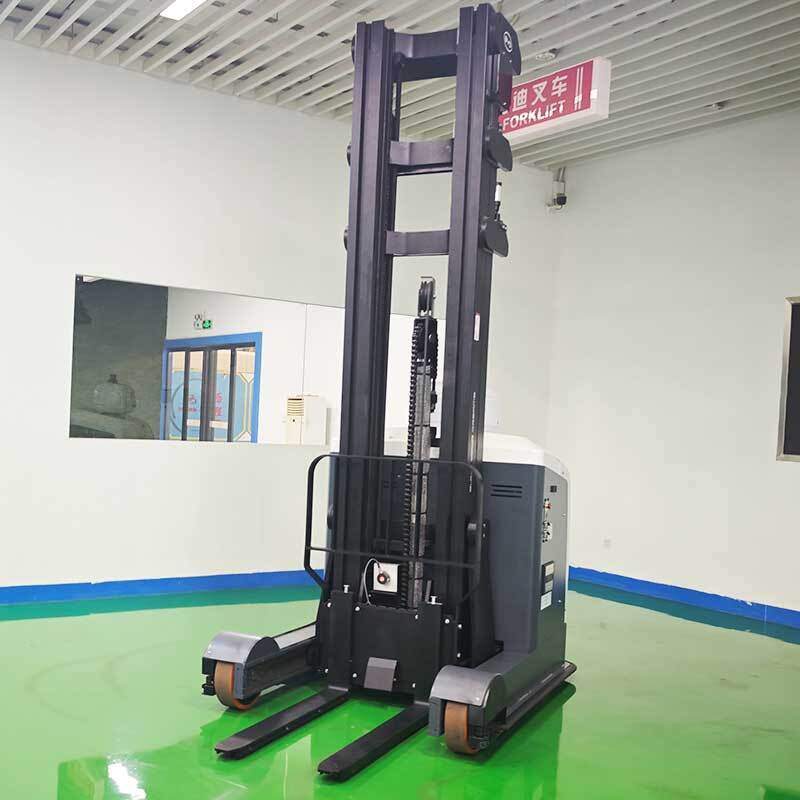
With the continuous improvement of low-carbon operation requirements in the modern logistics and warehousing industry, electric forklifts have become the mainstream choice for material handling in most scenarios. Mastering systematic professional knowledge of such equipment can help relevant practitioners give full play to the use value of the equipment to a greater extent.
Core Functional Advantages of Electric Forklifts
Unlike traditional internal combustion handling equipment, electric forklifts generate zero local exhaust emissions during operation, which can meet the environmental requirements of enclosed warehouses, food processing workshops and other spaces with high air quality standards. The operation noise of most qualified electric forklift models is kept at a relatively low level, which can reduce the noise interference to surrounding staff and goods that are sensitive to sound. The power output of the electric drive system is more stable, and the overall vibration during operation is significantly reduced, which can effectively lower the long-term fatigue of operators after working for several consecutive hours.
Standard Operation Norms for Daily Scenarios
Before starting each shift of operation, operators need to check the remaining power of the power system, the flexibility of the braking and steering system, and the wear condition of the fork surface first, to eliminate hidden risks that may affect normal operation in advance. Operators should strictly follow the specified load range to place goods, avoid long-time overloading operation that may cause damage to the hydraulic lifting structure. When driving on the ramp inside the warehouse, keep the goods facing the upper direction of the slope, avoid turning on the inclined road surface to prevent side slip. It is also not recommended to carry out frequent sharp acceleration and sharp deceleration in narrow operation channels, which can reduce unnecessary loss of power energy.
Routine Maintenance Suggestions for Long-term Stable Operation
In daily use, operators should arrange the charging plan of the power supply module reasonably, avoid long-term overcharge or complete discharge of the power battery, and regularly clean the dust and sundries on the surface of the charging interface to keep the connection in good condition. It is also necessary to regularly check the sealing performance of the hydraulic oil pipeline, the wear degree of the solid tire surface, and the sensitivity of the safety warning lights, and arrange professional personnel to complete the targeted inspection work in accordance with the corresponding operation manual on a regular basis. Correct daily maintenance can effectively extend the overall service life of the equipment, and reduce the frequency of unexpected failures in peak operation periods.


