
 简体中文
简体中文 Русский
 Français
 Português
 Español
 لالعربية

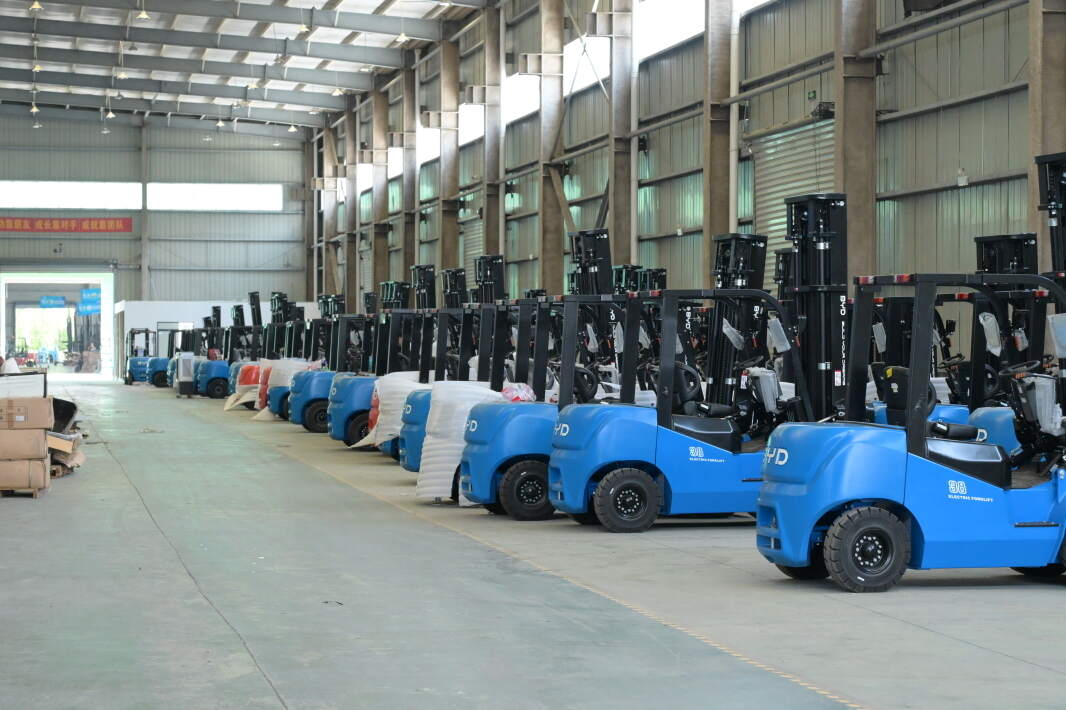
With the continuous upgrading of low-carbon industrial logistics demands, electric forklifts have become one of the most widely used handling equipment in various storage, manufacturing and distribution scenarios in recent years. Mastering the correct application rules of this type of equipment can help operation teams get stable output while reducing unnecessary operation risks.
Core Performance Advantages of Electric Forklifts in Daily Scenarios
Different from fuel-powered handling equipment, electric forklifts produce no local exhaust emission during the whole operation process, which makes them suitable for use in closed air-conditioned warehouses, food storage zones, pharmaceutical storage areas and other scenarios that have strict requirements on air environment. The low-noise operation feature also avoids disturbing other staff working in the same work zone, effectively reducing the fatigue level of long-time operators. The power output of electric forklift is relatively smooth, and the torque adjustment responds quickly when carrying heavy loads, which can better adapt to the frequent start and stop demands in dense sorting operation zones.
Standard Daily Maintenance Rules for Stable Long-Term Operation
Carrying out standardized daily inspection and maintenance work can effectively extend the whole service cycle of the equipment. Operators need to check the remaining power level and battery connection status before each shift, avoid over-discharging the power unit and follow the formal charging procedure to protect the battery performance. It is also necessary to check the wear degree of brake pads, the sealing status of hydraulic lifting components and the flexibility of steering system regularly, and replace worn parts in time to avoid sudden equipment failure that may interrupt the whole operation schedule.
Necessary Operation Safety Specifications for Different Scenarios
When operating electric forklifts in narrow warehouse aisles, the driver needs to control the running speed within the safe range, and avoid sharp steering actions when the equipment is carrying rated load. Operators should not lift or lower the goods to an excessive height when moving, to prevent the goods from falling and causing safety hazards. In the working zone with dense pedestrian flow, drivers need to send out prompt signals in advance when passing the blind corner, to ensure the operation safety of both personnel and goods. Following these practical operation and maintenance rules can give full play to the use value of electric forklift, and provide stable support for the efficient operation of the whole material handling system.


