
 简体中文
简体中文 Русский
 Français
 Português
 Español
 لالعربية

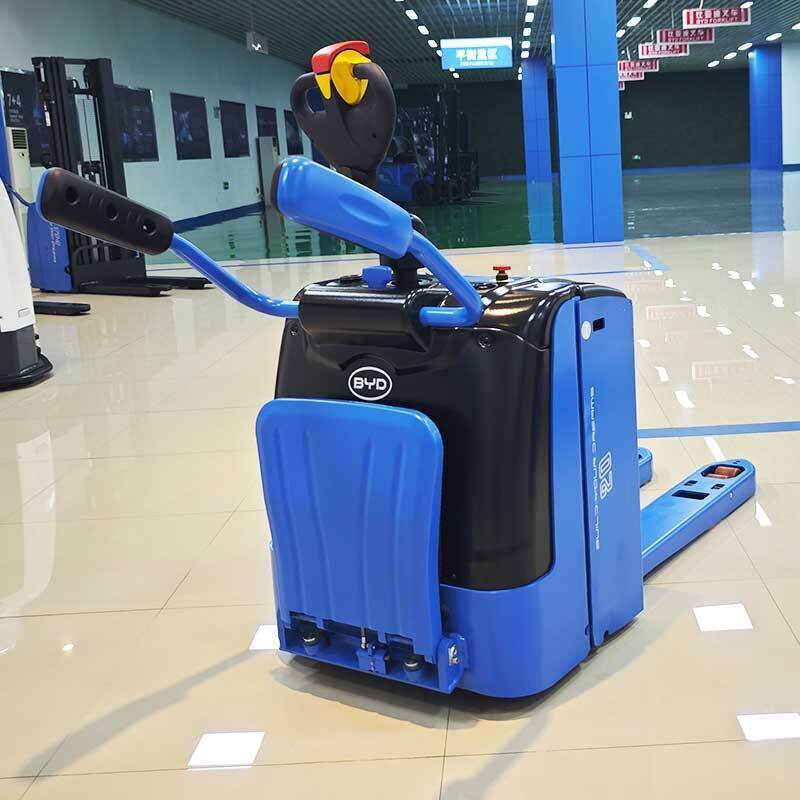
As low-carbon material handling solutions are widely adopted in modern warehousing and logistics scenarios, electric forklifts have become one of the most common core operation equipment for industrial sites. Mastering scientific usage rules and professional maintenance knowledge can help operators reduce unnecessary operation risks, extend the service life of equipment, and optimize the overall operation efficiency of the site.
Core Pre-Operation Check Protocols
Before starting any shift of operation, operators need to complete a full round of basic inspection for the electric forklift, instead of directly starting the machine for task execution. The inspection scope covers the power system status, tire wear degree, brake response sensitivity, lifting structure flexibility, and the normal display of all instrument indicators. Any abnormal signs found during the check should be recorded and reported to the site management team in time, rather than forcing the equipment to work under hidden risks. The pre-check process usually takes no more than 5 to 8 minutes, which can effectively avoid sudden equipment failure in the middle of high-intensity material handling tasks.
Routine Daily Maintenance Practices
Different from internal combustion forklifts, electric forklifts focus more on the maintenance of power components and electrical connection systems during daily use. Operators need to wipe the surface dust and sundries of the equipment after each shift, check whether the electrical connectors are loose or wet, and avoid long-term over-discharge of the power battery during daily charging. It is not recommended to expose the electric forklift to high temperature or heavy rain environment for a long time, which may cause extra loss to the internal electrical components. Regular professional maintenance by trained technical personnel every 3 to 6 months can keep the equipment in a stable operating state for a long time.
Standardized Safety Operation Norms
Following basic safety operation rules is the core premise to avoid on-site accidents during electric forklift usage. Operators need to receive professional systematic training before independently taking up the post, master the load limit of different models, and do not attempt to carry goods that exceed the rated load of the equipment. During the driving process in the warehouse channel, keep a safe distance with surrounding personnel, shelves and other operation equipment, and reduce the driving speed when turning, passing through intersections or working in areas with low visibility. When the operation is finished, the forklift should be parked in the designated special area, the lifting part should be lowered to a safe position, and the power supply should be cut off completely.
Efficiency Optimization Suggestions for Daily Scenarios
Proper usage habits can further improve the operation efficiency of electric forklifts without extra input. Operators can reasonably plan the handling route in advance according to the daily task arrangement, reduce unnecessary repeated turning and empty driving paths, and arrange the charging time of the equipment in the non-peak period of operation as much as possible, so as not to affect the normal progress of peak material handling work. For different handling scenarios such as flat ground, ramp and narrow channel, operators can adjust the operation parameters of the equipment properly under the guidance of professional specifications, to get a more smooth operation experience.


