
 简体中文
简体中文 Русский
 Français
 Português
 Español
 لالعربية

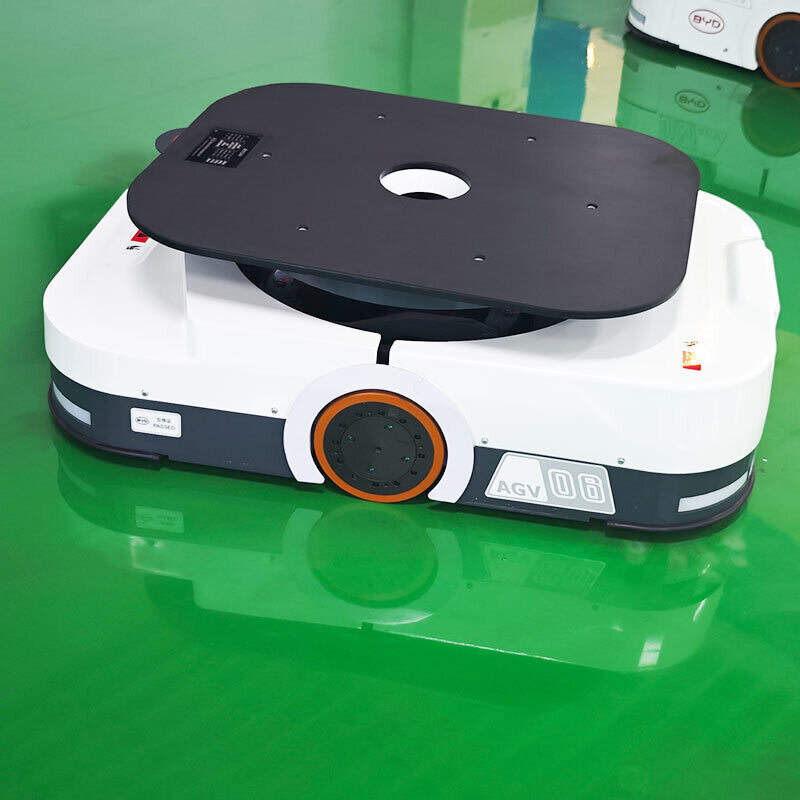
Against the background of accelerating low-carbon transformation of logistics industry, electric forklifts have become widely adopted core handling equipment in most storage and distribution scenarios, and mastering correct use and management methods can help enterprises give full play to the value of such equipment in daily operations.
Core Advantages of Electric Forklifts in Daily Operations
Compared with traditional internal combustion handling equipment, electric forklifts feature lower noise emission, no exhaust gas discharge, and relatively stable power output in medium and short distance handling scenarios, which can adapt to the operation requirements of closed workshops, food storage areas and other special sites that put forward strict requirements for environmental indicators. Proper management of electric forklifts can also help enterprises control long-term energy consumption cost of material handling links, and support the smooth implementation of enterprise-level low-carbon operation plans.
Standardized Daily Operation Guidelines to Reduce Unnecessary Wear
Operators need to receive pre-job professional training before taking post, get familiar with the basic parameter range of the equipment, avoid overloading operation for a long time, and slow down the driving speed when passing through the ramp or uneven road surface in the warehouse. In the process of goods stacking and handling, operators should pay attention to keeping the center of gravity of goods within the allowable range of the equipment, avoid sharp steering or sudden braking behavior during high-speed driving, which can effectively reduce the wear of tires, motor and control system.
Routine Maintenance Schemes to Extend Equipment Service Life
Enterprises can arrange special personnel to complete daily inspection work before the equipment is started, check the power status of the energy storage system, the flexibility of the braking system and the integrity of the hydraulic parts, and timely clean up the dust and sundries accumulated on the surface of the motor and heat dissipation structure. The charging process should be carried out in a dry and ventilated designated area, avoid overcharging or long-term power loss storage of the energy storage module, and arrange regular professional inspection and maintenance every certain operation cycle to eliminate hidden troubles in time.
Scenario Adaptation Optimization Tips for Higher Operational Efficiency
For high-frequency turnover e-commerce warehouses, enterprises can reasonably arrange the operation routes of electric forklifts to reduce the conflict with pedestrian flow and other handling equipment, and adjust the parameters of the equipment according to the weight range of conventional goods. For low-frequency use scenarios such as seasonal raw material storage, enterprises can arrange regular power supplement and idle state maintenance for standby electric forklifts, to ensure the equipment can be put into normal use quickly when needed.


