
 简体中文
简体中文 Русский
 Français
 Português
 Español
 لالعربية

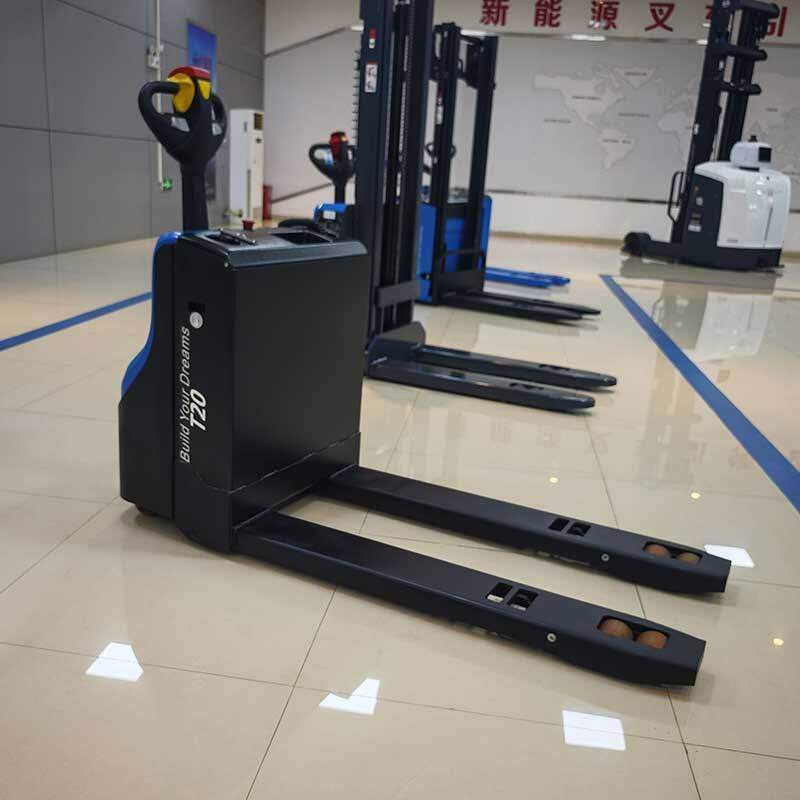
With the continuous popularization of low-carbon logistics solutions across global industrial and storage scenarios, electric forklifts have become one of the most widely applied material handling equipment in the field, winning recognition from a large number of practitioners for their low noise, zero local emission and flexible operation characteristics. Mastering correct use and management methods can further maximize the value of such equipment in daily work.
Core Inherent Advantages of Electric Forklifts for Industrial Scenarios
Different from traditional internal combustion handling equipment, electric forklifts rely on power battery packs to provide driving and lifting power, so they do not produce tail gas pollution during the whole working process, which is more suitable for closed indoor storage spaces, cold chain warehouses, and food and pharmaceutical handling scenarios that have strict requirements for environmental cleanliness. The overall vibration and noise level during the operation of standard qualified electric forklifts is also much lower, which can effectively reduce the fatigue of operators after long-term continuous work, and help maintain a stable and efficient operation state in the whole shift period.
Standardized Operation Norms to Reduce Unnecessary Loss
Operators need to receive systematic pre-job training before formally using electric forklifts, and they need to check the remaining power of the equipment, the flexibility of the braking system, the normal response of the lifting hydraulic structure and the integrity of the safety protection accessories before each start-up. In the process of cargo handling, it is necessary to avoid overloading beyond the rated load for a long time, and keep the goods at a reasonable center of gravity position as much as possible, so as to avoid abnormal wear of the tire structure and the driving motor caused by partial load. When the equipment is running on the ramp of the storage site, keep the cargo facing the upper slope direction to prevent the risk of goods slipping.
Scientific Routine Maintenance to Extend Equipment Service Life
After the daily operation is completed, the operator should park the electric forklift in the specified special parking area, lower the lifting gantry to the lowest position, cut off the main power supply of the equipment in time, and carry out targeted cleaning of the dust and debris accumulated on the surface of the body and the wheel structure. The power battery pack should be charged in strict accordance with the operation guidelines, and avoid long-term underpowered storage state which may cause irreversible damage to the battery performance. Regular professional personnel can be arranged to check the aging degree of the circuit system and the lubrication state of each transmission part, and replace the worn parts in time, which can effectively reduce the probability of sudden equipment failure during peak operation periods.
Scenario Matching Tips for Diversified Handling Demands
For different operation scenarios such as narrow aisle access, high-position goods storage and heavy cargo stacking, electric forklifts with corresponding parameters can be selected to match the actual demands, so as to avoid the situation that the performance reserve of the equipment is insufficient to support the efficient completion of the work. Reasonable matching of equipment types and work flow can further improve the overall turnover efficiency of warehouse goods and create more stable operational benefits for the storage system.


