
 简体中文
简体中文 Русский
 Français
 Português
 Español
 لالعربية

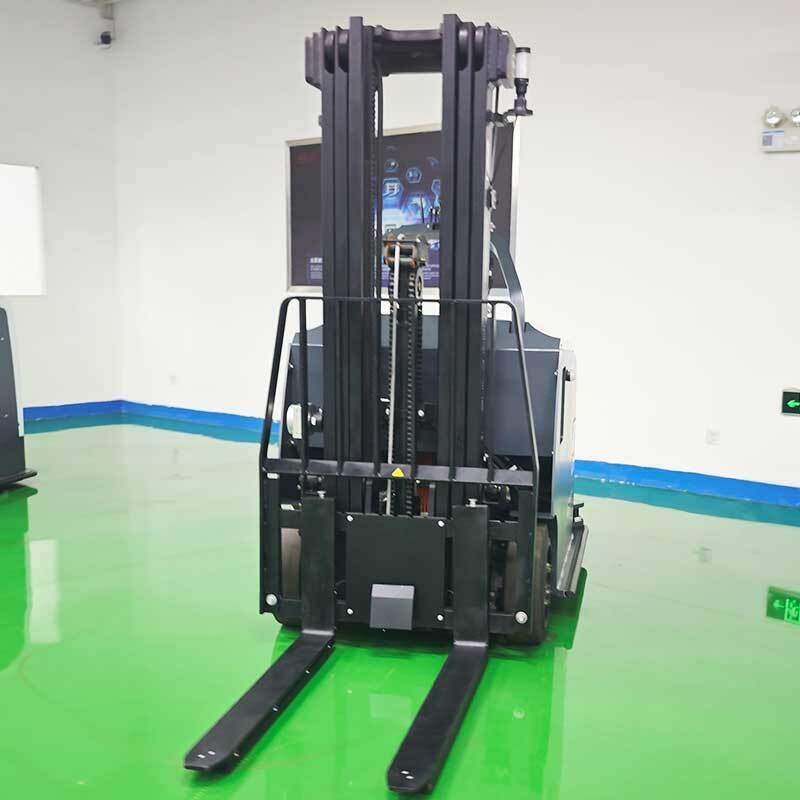
As low-carbon operation requirements continue to spread across the industrial logistics sector, electric forklifts have become one of the most widely adopted handling equipment in modern storage and manufacturing sites. This guide shares practical, field-verified knowledge for frontline operators and warehouse managers to get more value from their electric forklift assets.
Core Functional Advantages of Modern Electric Forklifts
Unlike internal combustion counterparts, electric forklifts rely on battery power to generate driving and lifting force, which produces far less noise and zero exhaust emission during working cycles. This feature makes them suitable for enclosed working spaces with strict air quality requirements, such as food storage zones, pharmaceutical warehouses, and indoor production workshops. Most existing models are designed with relatively compact body structure, which supports flexible movement in narrow aisles that are common in high-density storage layouts. The overall vibration level during operation is also lower than that of fuel-powered equipment, which can reduce the long-term physical fatigue of operators after hours of continuous work.
Key Daily Operation Specifications for Extended Service Life
Following standard operation rules can effectively reduce unnecessary wear of core components, and lower the overall long-term maintenance cost. Operators need to check the remaining battery level before each shift, and avoid full discharge that may cause irreversible damage to the battery pack. When carrying loads, staff should confirm the actual weight of goods matches the rated load capacity of the equipment, and avoid sudden acceleration or sharp turning when the fork is lifted to a high position. After each work shift, operators need to park the equipment in the designated zone, lower the fork to the ground level, and turn off the total power supply to avoid unnecessary power consumption.
Scenario Matching Tips for Optimized Use Efficiency
Selecting the right configuration of electric forklift according to specific working scenarios can bring better operation experience. For sites with high daily operation intensity of more than 8 hours, users can reserve extra backup battery packs to support quick replacement without long downtime. For sites with frequent outdoor operation, users can choose models with appropriate waterproof and dustproof grade to adapt to complex outdoor road conditions. Regular professional inspection of key components including driving motors, lifting hydraulic systems and braking structures once every fixed cycle can help identify minor hidden problems at an early stage, and avoid unexpected shutdown that may disrupt the normal operation of the whole logistics process.


