
 简体中文
简体中文 Русский
 Français
 Português
 Español
 لالعربية

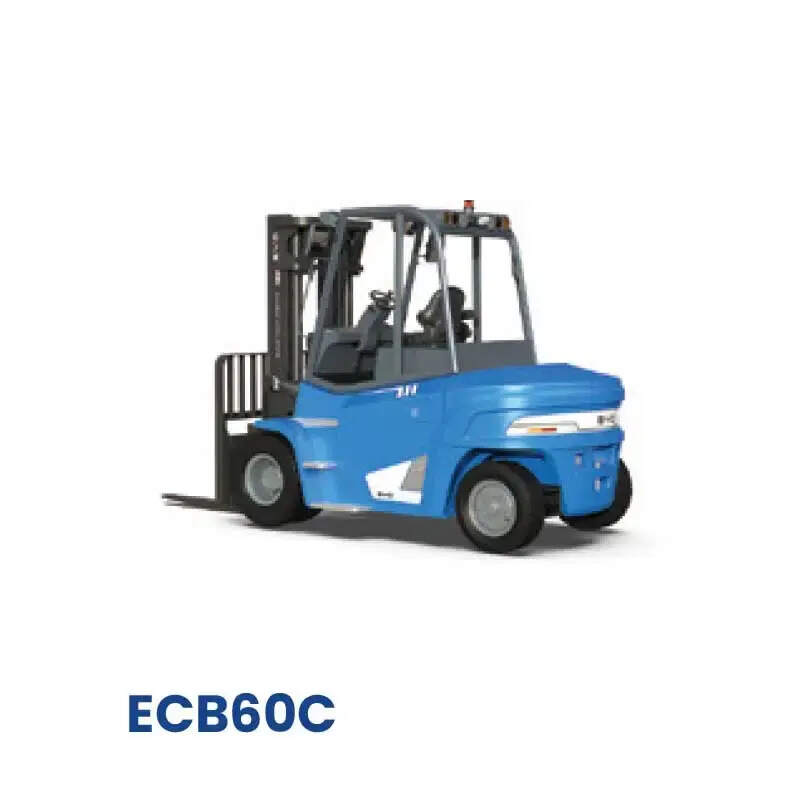
As lithium-ion forklifts have become a mainstream choice for modern material handling operations, many enterprise procurement teams face unexpected losses due to lack of targeted reference during the purchasing process. This complete practical guide sorts out common hidden risks across the full procurement cycle, helping buyers make rational decisions that match their actual operational needs.
First, carry out full demand alignment before launching formal procurement. Do not blindly select models with excessive load parameters based on a vague general impression. You need to sort out clear data including the maximum weight of daily handling goods, average travel distance per shift, width of operation aisles, existing loading and unloading platform height, and total daily operation hours. For enterprises that run two or three shifts continuously, you also need to evaluate the peak power demand of whole-day operations, rather than selecting a model that only meets the power demand of single-shift work, which will lead to insufficient endurance in actual use.
Second, complete targeted performance verification to avoid parameter mismatch pitfalls. Do not judge product quality only by the printed nominal parameters on the brochure. You can ask the supplier to provide real test data of full load endurance under actual ambient temperature conditions, check the complete thermal protection mechanism of the battery system, and verify the matching performance of the whole vehicle’s steering, braking and mast lifting systems. It is not recommended to choose products that lack basic safety protection configurations to avoid hidden safety risks in subsequent long-term operations.
Third, conduct full-cycle total cost assessment to avoid hidden cost traps. Do not simply take the lowest initial purchase price as the only assessment standard. You need to calculate the total cost of use within 3 to 5 years, including later daily maintenance cost, necessary supporting charging facility investment, and the coverage scope of the official warranty. Some products with low initial prices often do not cover key component failures in the later stage, and the additional replacement and maintenance expenses will exceed the cost difference at the time of purchase.
Fourth, confirm post-service arrangements clearly in advance to avoid service gaps. You need to confirm the on-site response time for after-sales faults, the free operation training arrangement for frontline drivers, and the temporary standby vehicle scheduling mechanism in case of major maintenance, so as to ensure that the normal operation of the warehouse will not be interrupted for a long time after the equipment fails.
Following the above procurement steps, most common pitfalls in lithium-ion forklift purchasing can be effectively avoided, helping enterprises select cost-effective handling equipment that fully adapts to their own long-term operational scenarios.


