
 简体中文
简体中文 Русский
 Français
 Português
 Español
 لالعربية

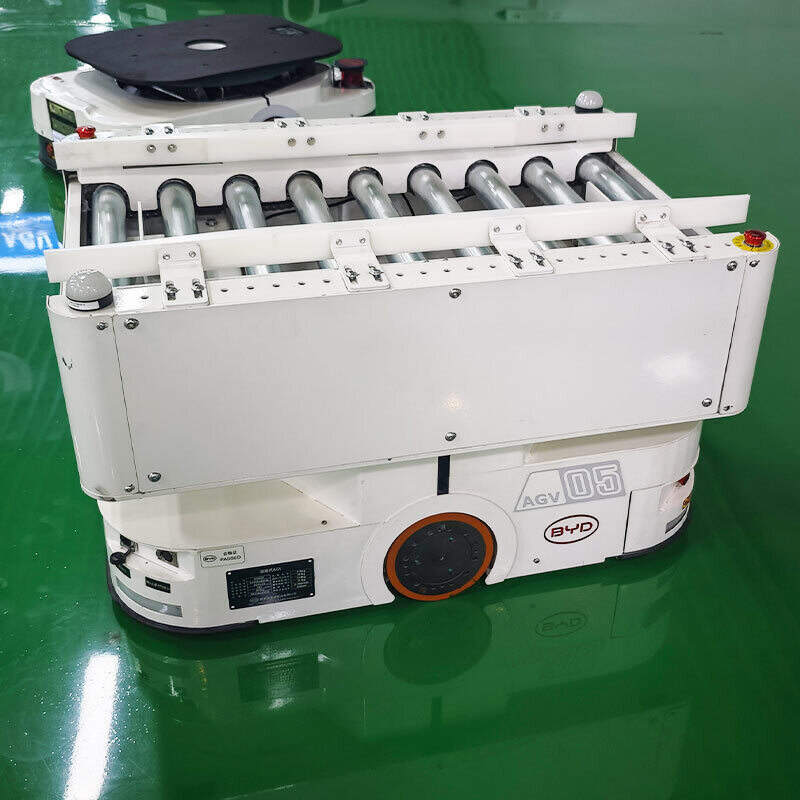
As low-carbon logistics and fine warehouse management develop steadily, electric forklifts have become one of the most widely used material handling equipment in industrial and commercial scenarios, with obvious comprehensive advantages in energy consumption, operating noise and use flexibility compared with traditional internal combustion counterparts.
Core Performance Features of Modern Electric Forklifts
Most standard electric forklift models are powered by on-board battery packs, which can output stable power to support long hours of continuous operation in enclosed spaces such as indoor warehouses, cold storage and production workshops. Unlike fuel-powered equipment, they do not produce exhaust gas during operation, which can effectively reduce air pollution in closed working environments and lower the configuration cost of supporting ventilation and exhaust systems for operation sites. The noise level during normal operation is also controlled at a relatively low range, which can reduce long-term noise interference to on-site operators and adjacent office areas, helping maintain a relatively comfortable working environment for all staff on site.
Routine Maintenance Guidelines for Daily Use
Carrying out regular standardized maintenance can effectively reduce the probability of unexpected equipment failure and prolong the overall service cycle of the equipment. Operators need to check the remaining power of the battery pack before starting each shift, confirm that the surface of the battery and the connecting terminals are free of dirt, liquid leakage or loose fixing parts, and avoid over-discharging the battery during daily use, which may cause irreversible damage to the battery performance. It is also necessary to regularly check the wear degree of driving wheels and load-bearing wheels, confirm that the hydraulic lifting system has no hidden dangers of oil leakage, and test the sensitivity of the braking and steering system before formal load operation. The dust and debris accumulated in the ventilation heat dissipation parts of the equipment should be cleaned regularly to ensure that the heat dissipation efficiency remains at a normal level during long-time continuous operation.
Standardized Operation Specifications for Daily Scenarios
Operators need to receive professional pre-job training before operating electric forklifts, and master the correct operation methods of the control system and the corresponding load range of the equipment. When carrying out lifting and handling operations, the load weight should not exceed the rated load limit of the equipment, and the goods should be placed smoothly on the pallet fork to avoid partial heavy load or unstable stacking that may cause the goods to slip during driving. When the equipment is driving on a slope or in a narrow channel, the driving speed should be kept at a low level, and the operation route should be observed in real time to avoid collision with surrounding shelves, personnel or other operation equipment. Following the above practical rules can give full play to the use value of electric forklifts, bring stable support for daily material handling work.


