
 简体中文
简体中文 Русский
 Français
 Português
 Español
 لالعربية

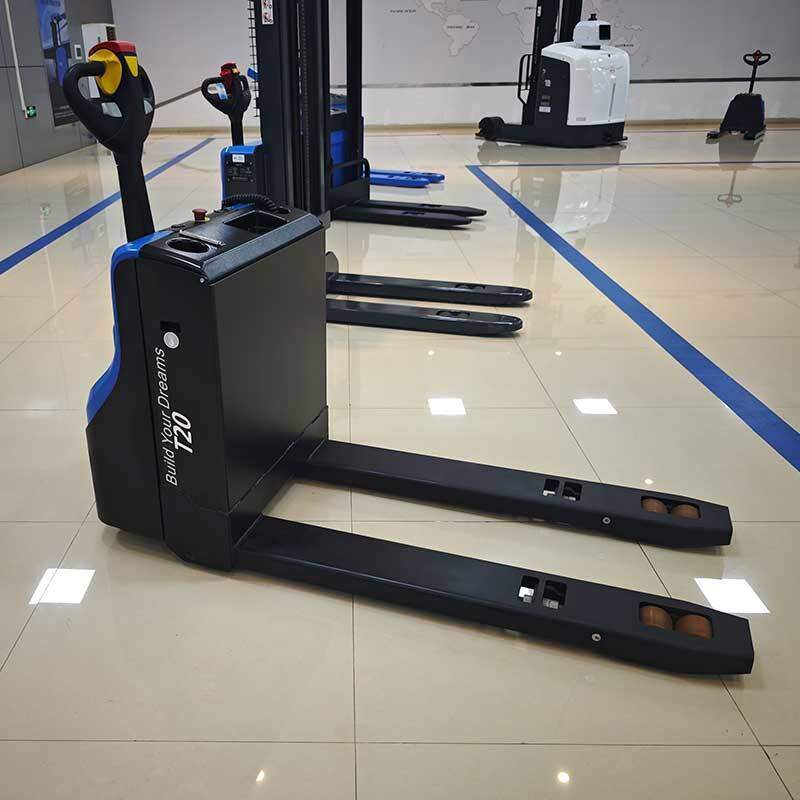
For large-scale logistics warehouses that run 24/7 high-density material handling operations, the operation mode of legacy lead-acid forklift fleets has gradually exposed many pain points that cannot match current business demands in long-term practice. Traditional lead-acid powered forklifts usually need dedicated battery swap zones and separate charging areas with special anti-corrosion treatment, which will occupy a large amount of valuable usable storage space that can be reserved for cargo placement. Operators also need to arrange special staff to complete regular water replenishment, battery equalization and acid leakage inspection work, which adds extra labor input in daily management.
After introducing BYD LiFePO4 forklifts to replace the legacy lead-acid fleets, the whole operation flow of on-site material handling gets obvious optimization. The power units of these forklifts support fast charging mode, which can complete sufficient energy replenishment during the short rest interval between two operation shifts, and no extra battery swap process is needed, so the non-operation waiting time of the whole fleet is reduced significantly. There is no need to set up special anti-corrosion charging zones, the original space occupied by lead-acid battery management can be converted into storage area to improve the overall cargo capacity of the warehouse.
From the perspective of full lifecycle cost management, the LiFePO4 powered forklift fleets do not need frequent core component replacement within a long service cycle, and the daily maintenance work is far less complicated than lead-acid products. Warehouse operators can cut down the extra budget for spare battery purchase and special maintenance personnel deployment, to get a more stable cost control effect in long term operation.
In terms of on-site safety and environment experience, the LiFePO4 forklifts will not produce corrosive leakage risk in normal operation, and there is no exhaust emission during the whole working process, which adapts to the clean storage requirement of most goods including food and electronic products. The low operation noise also helps build a more comfortable working environment for frontline operators, and support the warehouse to meet the latest green logistics assessment standards in the industry.


