
 简体中文
简体中文 Русский
 Français
 Português
 Español
 لالعربية

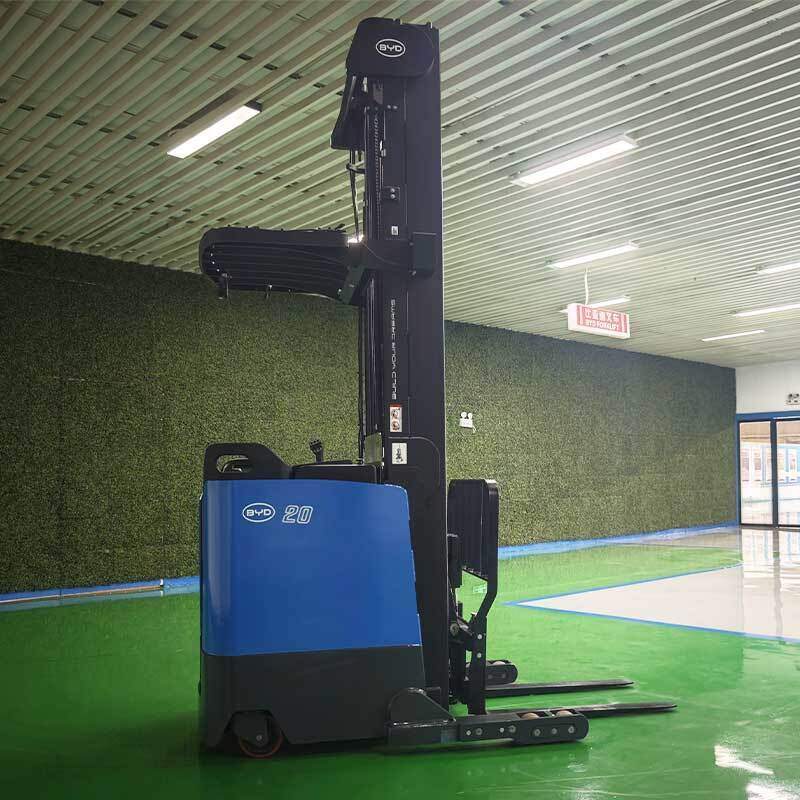
For international equipment procurement teams that include electric forklifts in their industrial facility supply list, standardized cross-border shipping and packaging management directly impacts the intact arrival of equipment at the destination port and subsequent customs clearance efficiency. Reasonable arrangement of relevant links can effectively reduce unnecessary cost loss and project delay caused by non-compliant operation.
Before formal packaging, relevant personnel shall conduct full routine checks of the units first, confirm the high-voltage battery system meets international transport safety regulations for lithium-ion powered industrial equipment, drain all residual liquid in hydraulic pipelines and control systems to avoid leakage risk during long-distance ocean transport, and wipe off all surface dust and attachments to meet the quarantine inspection requirements of most destination countries. All pre-processing work shall be recorded in the pre-shipping checklist for subsequent verification.
The packaging process shall follow general international industrial equipment export standards. Wrap all exposed metal parts with anti-rust protective film to avoid salt spray corrosion during long period of ocean shipping, use shockproof foam pads to fill gaps between control panels, display screens and body frames to reduce vibration impact in the course of multi-mode land and sea transshipment, and wrap the whole equipment with waterproof and tear-resistant composite membrane to provide basic protection against harsh weather exposure in open storage at transit ports. For units with extra attachments such as spare forks and replacement charging connectors, place these small parts in dedicated labeled waterproof boxes and fix them to the designated position of the forklift body to avoid loss or displacement during transport.
When loading into the shipping container, use high-strength anti-slip ties and fixed lock sets to fasten the forklift body on the container bottom, arrange the equipment position reasonably to keep the whole container’s center of gravity stable to avoid tilting or collision with other cargo during voyage. Print clear and standardized shipping marks, operation reminder marks and customs declaration related marks on the outer surface of the packaging, including gross weight, destination port, operation orientation reminder and other necessary information, to guide logistics personnel to conduct correct handling operations during all transport links.
After all packaging and loading work is completed, the procurement team and the logistics service provider shall jointly conduct pre-shipping check to confirm all links meet regulatory requirements, reserve complete packaging and transport documents for subsequent customs declaration and local delivery check, which can effectively reduce unexpected problems in the whole cross-border transport process, and help the procurement project complete the equipment handover smoothly.


