
 简体中文
简体中文 Русский
 Français
 Português
 Español
 لالعربية

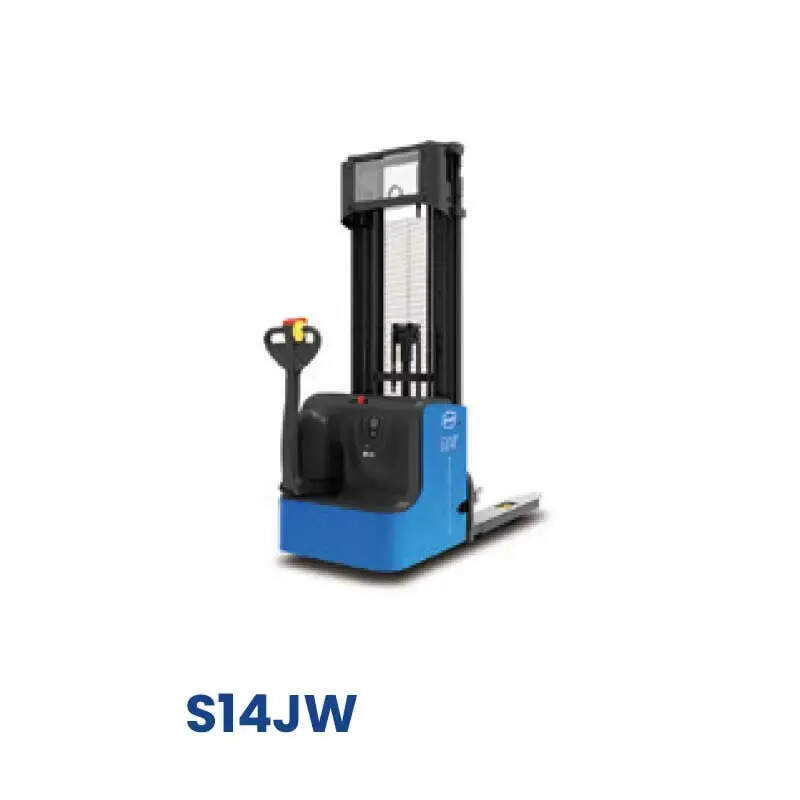
As low-carbon logistics development accelerates, electric forklifts have become a common choice for most industrial and warehouse scenarios, helping teams reduce operating costs while cutting carbon emissions. Many frontline practitioners lack systematic understanding of its use and maintenance, which easily leads to unplanned downtime and extra unnecessary expenditure.
Core Benefits of Electric Forklifts in Modern Material Handling
Compared with traditional internal combustion power equipment, electric forklifts produce no exhaust emission and low running noise during operation, which is suitable for closed warehouses, food processing workshops and other scenarios that have high requirements for ambient air quality. The power system output is smoother when carrying goods, which can reduce the shaking of loaded materials and lower the risk of accidental cargo damage. The overall energy consumption cost per hour of operation is lower than that of fuel-powered equipment, which can bring long-term cost advantages for users with high frequency of daily material handling.
Routine Daily Inspection and Maintenance Protocols
Before each shift of operation, operators need to check the remaining battery power level, the tightness of connecting wiring terminals, to avoid poor contact leading to sudden power supply interruption. It is also necessary to confirm the flexibility of the lifting mechanism, the wear degree of driving wheels, and the sensitivity of the braking system. After the daily operation is completed, the equipment should be parked in the designated ventilated and dry area, wipe the dust and cargo residues on the surface, and arrange regular professional inspection of the motor and hydraulic system every certain operating cycle, to eliminate potential hidden risks in time.
Standardized Operation Tips to Reduce Component Wear
Operators need to receive pre-job professional training, master the accurate load range of the corresponding equipment, and avoid handling goods with weight exceeding the rated load for a long time. When driving on uneven road surfaces, properly control the driving speed, and reduce frequent sharp turn and sudden brake behavior. When lifting goods, keep the goods in the center of the fork, to avoid eccentric loading leading to partial stress of the equipment structure. These small operation details can effectively reduce the loss of core components, and extend the overall service cycle of the equipment.
Scene-based Performance Matching Strategies
For scenarios with continuous operation for more than 6 hours every day, users can configure matching spare battery units to realize quick replacement of power supply, reduce the waiting time caused by charging. For narrow aisle working scenes, reasonably adjust the relevant body parameters of the equipment, to improve the space utilization rate of the warehouse. Users can also adjust the power output mode according to different handling needs, to balance the use effect and energy consumption level. Mastering these practical methods can help enterprises give full play to the use value of electric forklifts, and build a more stable and efficient material handling system.


