
 简体中文
简体中文 Русский
 Français
 Português
 Español
 لالعربية

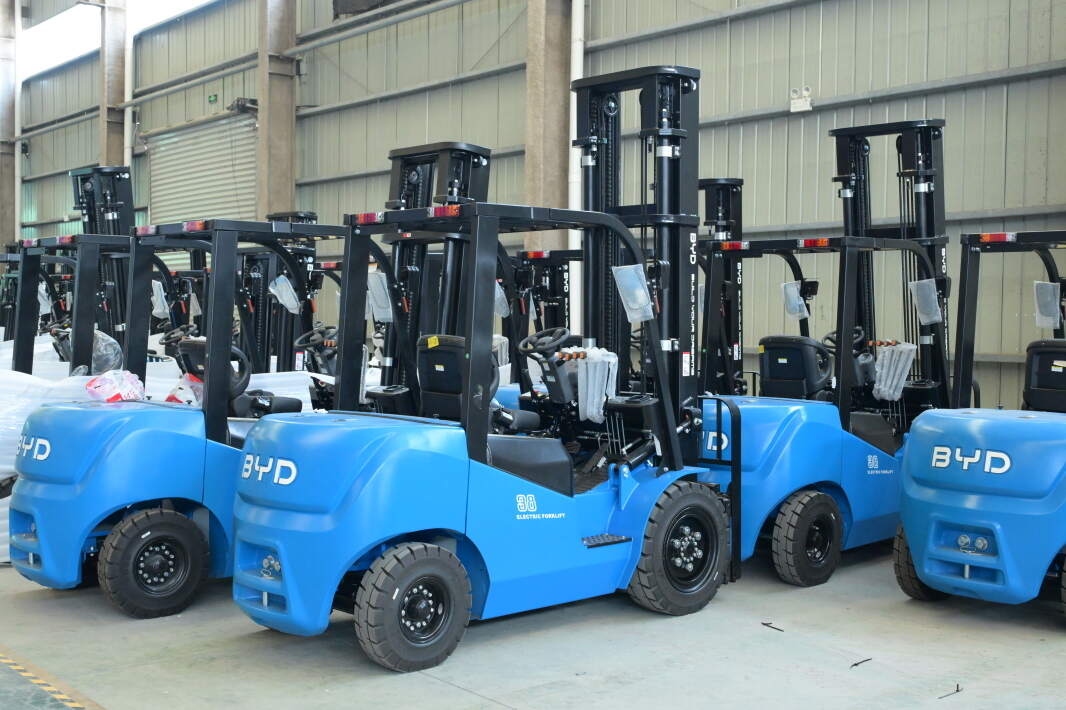
As low-carbon logistics becomes the mainstream trend of modern industrial operation, electric forklifts have been widely adopted in various indoor and closed working scenarios for their low noise, zero local emission and flexible operation characteristics. Mastering systematic knowledge of electric forklift application can help enterprise operators give full play to equipment advantages and realize stable and long-term operation.
Basic Operation Specifications for Electric Forklifts
The pre-operation inspection of electric forklifts should cover the status of the power system, brake performance, lifting mechanism flexibility and tire wear condition. Operators need to receive systematic professional training before taking up the post, strictly follow the load limit requirements during operation, avoid sudden acceleration and sharp steering on the smooth operation site, and keep a safe distance from surrounding personnel and goods in the working area. When carrying out stacking operation, it is necessary to adjust the fork insertion depth reasonably, keep the gantry in a proper backward tilt state to avoid goods slipping, and do not carry people on the fork frame illegally.
Routine Maintenance Points for Electric Forklifts
Different from internal combustion forklifts, the core maintenance focus of electric forklifts is concentrated on the power system, electronic control components and walking transmission structure. It is necessary to arrange professional personnel to regularly check the connection tightness of the power interface, clean the dust accumulated on the surface of the heat dissipation parts, and carry out targeted maintenance for different battery types according to the specified cycle. The lubrication maintenance of transmission and moving parts should be carried out according to the operation duration prompted by the equipment management system, to avoid abnormal noise or jamming of the moving parts during long-term operation.
Efficiency Optimization Strategies for Electric Forklift Application
Enterprises can match the corresponding parameters of electric forklifts according to their actual operation scenarios, for example, select the equipment with appropriate load tonnage and lifting height according to the average weight of daily handling goods and the height of the shelf. Reasonable planning of the driving route of the operation area can reduce the repeated walking distance of the forklift in the warehouse, and set up special power replacement or charging areas in the edge area of the working site to avoid long downtime of equipment due to insufficient power supply. This mode can effectively improve the overall turnover efficiency of material handling without increasing extra unnecessary operating cost.


