
 简体中文
简体中文 Русский
 Français
 Português
 Español
 لالعربية

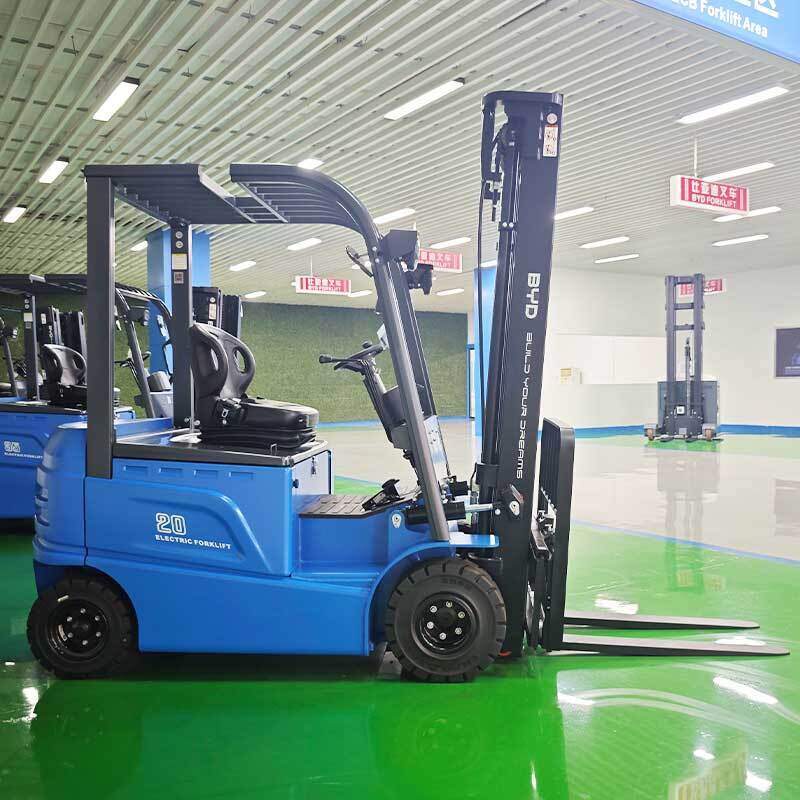
Against the background of low-carbon transformation of modern logistics and manufacturing industries, electric forklifts have become one of the most widely applied material handling equipment in indoor enclosed operation scenarios, with advantages of low noise, zero local emission and flexible operability. Mastering systematic professional knowledge of electric forklifts can help relevant practitioners give full play to the equipment’s value, reduce unnecessary component wear and improve overall operation safety level.
Core Operation Norms for Daily Use
Before starting each shift operation, operators need to complete basic pre-inspection work, including checking the remaining power of the power system, the flexibility of the steering mechanism, the braking response performance and the integrity of the load fork structure. During the operation process, personnel need to keep the center of gravity of the load within the allowable load range marked on the equipment nameplate, avoid sharp turning when the equipment is running at high speed, and do not carry out over-height stacking operation beyond the equipment’s rated load center distance. When the equipment is parked, operators need to lower the load fork to contact the ground, cut off the main power supply, and park the equipment in the designated non-passage area to avoid affecting the normal passage of other personnel and equipment.
Routine Maintenance and Care Points
Regular reasonable maintenance can effectively extend the service life of electric forklifts, reduce unexpected failure rate, and avoid unplanned shutdown loss. For the power battery system, operators need to follow the specified charging process, avoid long-term over-discharge and over-charging, and clean the dust and dirt on the surface of the battery pack regularly to keep the heat dissipation channel unobstructed. For the walking and lifting hydraulic system, relevant maintenance personnel need to check the hydraulic oil level and sealing state every fixed cycle, replenish or replace the hydraulic oil that meets the specification requirements in time, and regularly lubricate the transmission and hinge parts of the whole vehicle to reduce mechanical friction wear.
Scenario-based Performance Optimization Suggestions
For different use scenarios, users can adjust the operation parameters of electric forklifts appropriately according to actual demand. For high-frequency continuous operation scenarios such as large-scale three-dimensional warehouses, users can arrange the charging and battery replacement schedule reasonably according to the daily operation peak, to ensure the equipment can maintain stable working state during the peak working period. For narrow aisle operation scenarios, operators can adjust the running speed limit of the equipment to adapt to the narrow operation space, and reduce the collision risk between the equipment and the shelf structure. For low-temperature operation scenarios, users can preheat the power system properly before starting the equipment, to avoid the situation that the output performance of the equipment is affected by too low battery activity.


