简体中文
 Русский
 Français
 Português
 Español
 لالعربية


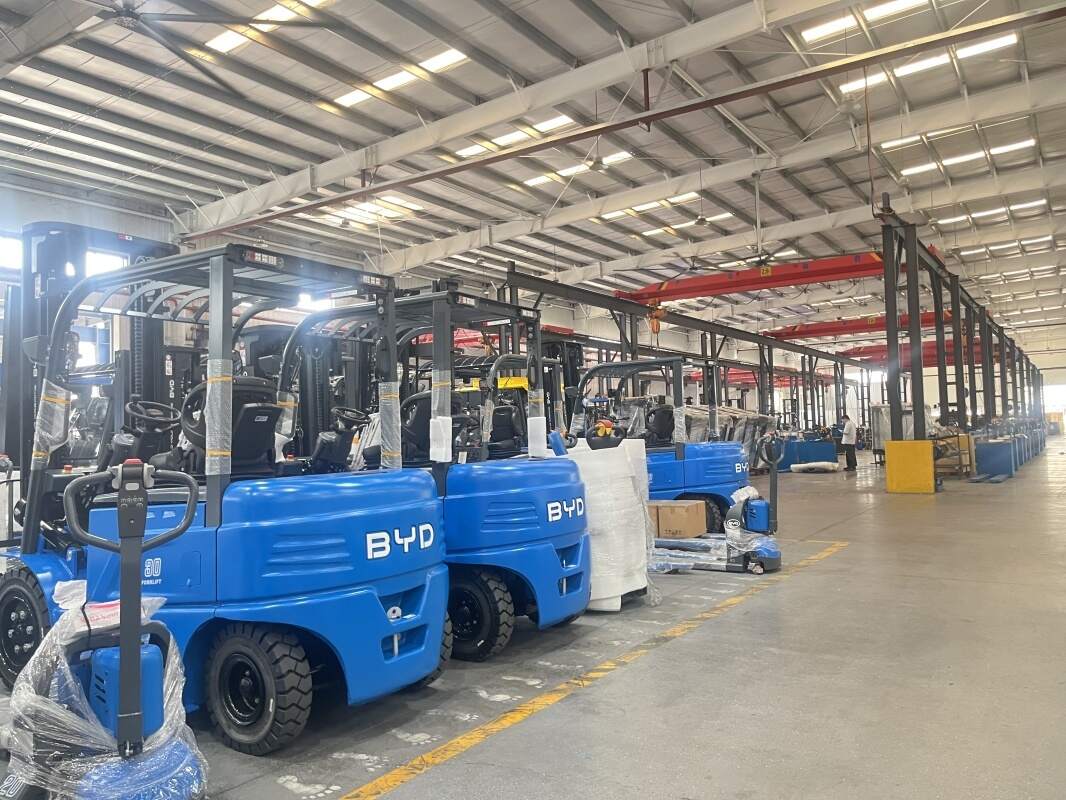
Against the backdrop of widespread popularization of new energy logistics equipment, electric forklifts have become the mainstream choice for most warehousing, manufacturing and port operation scenarios. As a mature power replenishment solution, the battery swap system for forklifts effectively solves the pain point of long charging waiting time during high-intensity continuous operation, and has been widely adopted by more and more operation teams. For frontline forklift operators, mastering the correct usage rules of the battery swap system can not only give full play to its efficiency advantages, but also avoid unnecessary operation risks and extend the service life of related equipment.
First, operators need to clarify the basic working logic of the forklift battery swap system. Different from the on-board slow charging or fast charging mode that requires the vehicle to stay for a long time, the battery swap system pre-stores multiple fully charged spare batteries in the designated battery swap station. When the remaining power of the working battery of the forklift drops to the preset warning line, the operator can complete the battery replacement process in a short time, and put the discharged battery into the dedicated charging rack for subsequent replenishment, no need to occupy the working time of the forklift for charging.
Second, operators need to strictly follow the standard operation specifications in daily use. Before each battery swap, you need to do a basic pre-check: confirm that the spare battery to be replaced has no obvious shell damage, no liquid leakage, and the power interface has no sundries or corrosion, and confirm that the battery specification matches the forklift model to avoid mismatching access. During the operation, you need to drive the forklift to the designated flat swap operation area, pull the handbrake completely, cut off the whole vehicle power, then unlock the battery compartment, take out the discharged battery steadily along the set slide rail, align the interface of the full battery and push it into the compartment smoothly, and confirm that the battery locking device is fully locked before you can restart the forklift to put it into operation. Do not use brute force to pull or push the battery during the whole process, so as not to damage the internal wiring of the interface. After the swap operation, you need to move the discharged battery to the designated charging area for placement, and do not stack it at will outside the designated area.
Third, operators should also do a good job of daily maintenance related to the battery swap system. Wipe the power contact points of the battery and the battery compartment regularly to avoid poor contact caused by long-term dust accumulation, and report any abnormal heating or loose structure found in the process in time to the management personnel for processing, so as to avoid potential safety hazards.
For teams that implement multi-shift high-frequency operation, the standard use of the battery swap system can effectively improve the continuous operation efficiency of the electric forklift fleet, and reduce the overall operation cost. Jianshu New Energy focuses on BYD electric forklifts. If you want to get more professional guidance on the adaptation and use of forklift battery swap system, you can send an email to [email protected] for consultation.