
 简体中文
简体中文 Русский
 Français
 Português
 Español
 لالعربية

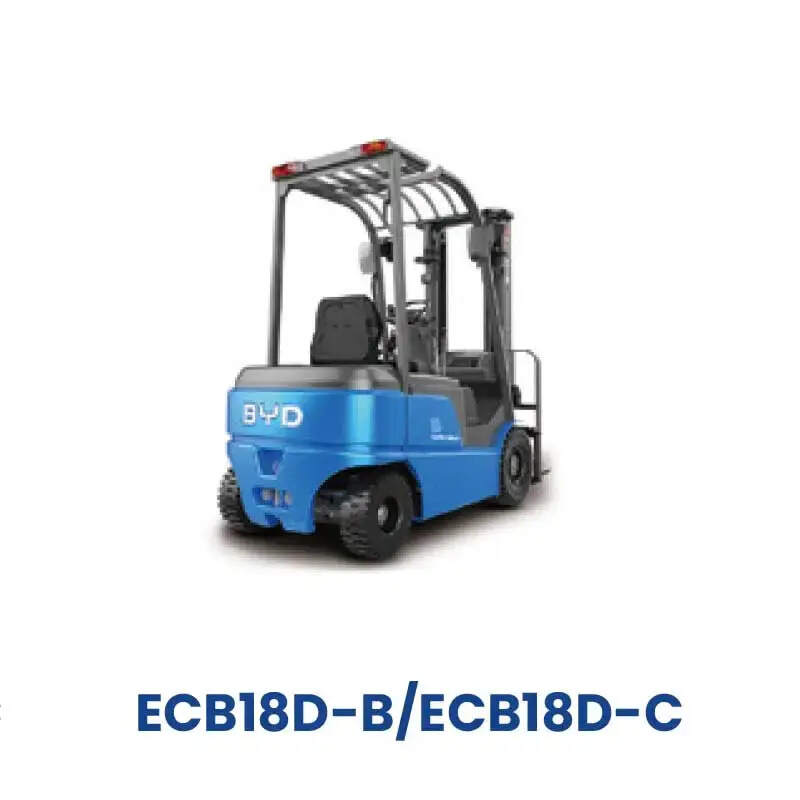
As lithium-powered forklift fleets are widely applied in modern warehousing, manufacturing and logistics scenarios, fleet operators often face rational choices between two mainstream energy replenishment modes, namely the battery-swap solution and conventional on-board charging. This objective comparative analysis provides practical references for operators to make decisions based on their actual operation conditions without biased guidance.
First, the two solutions follow totally different basic operation logics. The conventional on-board charging mode relies on the built-in charger integrated on the forklift body, which directly connects to the external power supply through a dedicated charging cable when the forklift is parked at the designated charging position. The whole charging process is completed with the battery staying fixed inside the forklift, without any manual disassembly operation by on-site staff. Most standard configurations take 2 to 4 hours to finish a full charge from 20% remaining power, and the whole process can be completed automatically with no extra manual intervention.
The battery-swap solution does not rely on the on-board charging system for energy replenishment. The fleet will reserve a certain number of spare lithium batteries arranged in the dedicated central charging area, where these spare batteries are charged uniformly in a stable, standardized safe environment. When the operating forklift sends a low power alert, the driver can move to the dedicated battery swap area, replace the depleted battery with a fully charged spare unit within several minutes, and return to the scheduled operation route quickly.
From the perspective of actual operation performance, the conventional on-board charging mode requires no additional investment on spare battery inventory, dedicated swap auxiliary tools and central charging area renovation, which makes it more friendly for small and medium fleets whose daily total operation time per forklift is no more than 8 hours. Operators can arrange the charging process during regular off-work hours without affecting normal daytime operation, and the initial investment threshold is relatively low. For fleets that need to support two-shift or three-shift continuous high-intensity operation, the battery-swap solution can effectively avoid long waiting time for charging, reduce the unplanned downtime of each forklift, and improve the overall vehicle utilization rate. The unified centralized battery management also helps standardize the charging and maintenance process, which is conducive to extending the overall service life of all lithium battery assets in the fleet.
There is no universal optimal solution applicable to all operating scenarios. Fleet operators can sort out core parameters including daily average operation duration, reserved energy replenishment window, on-site power supporting conditions and budget cycle first, to select the most suitable mode that balances daily operation efficiency and long-term input-output performance.


