简体中文
 Русский
 Français
 Português
 Español
 لالعربية


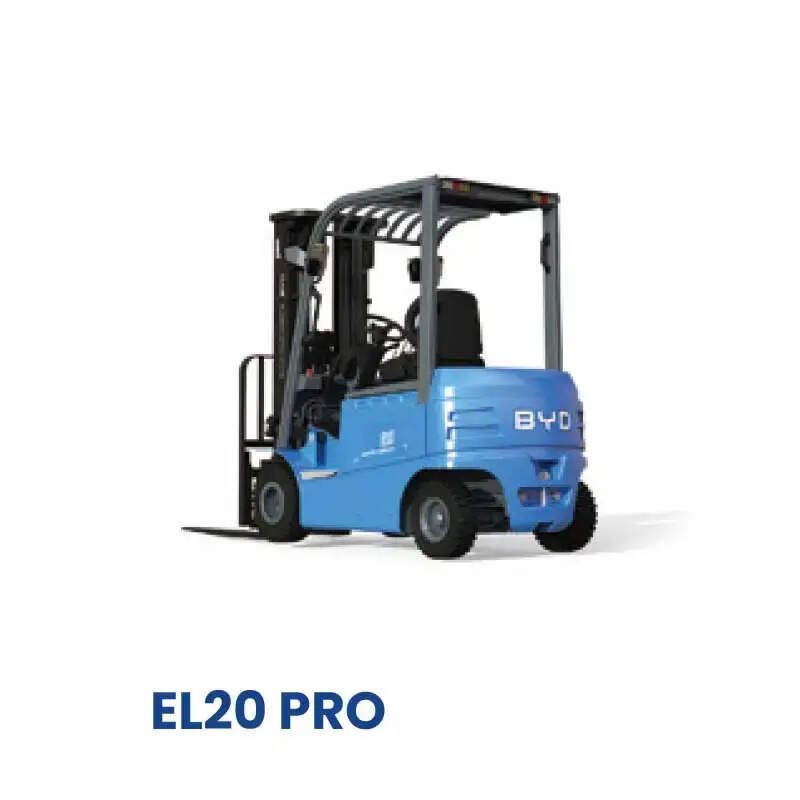
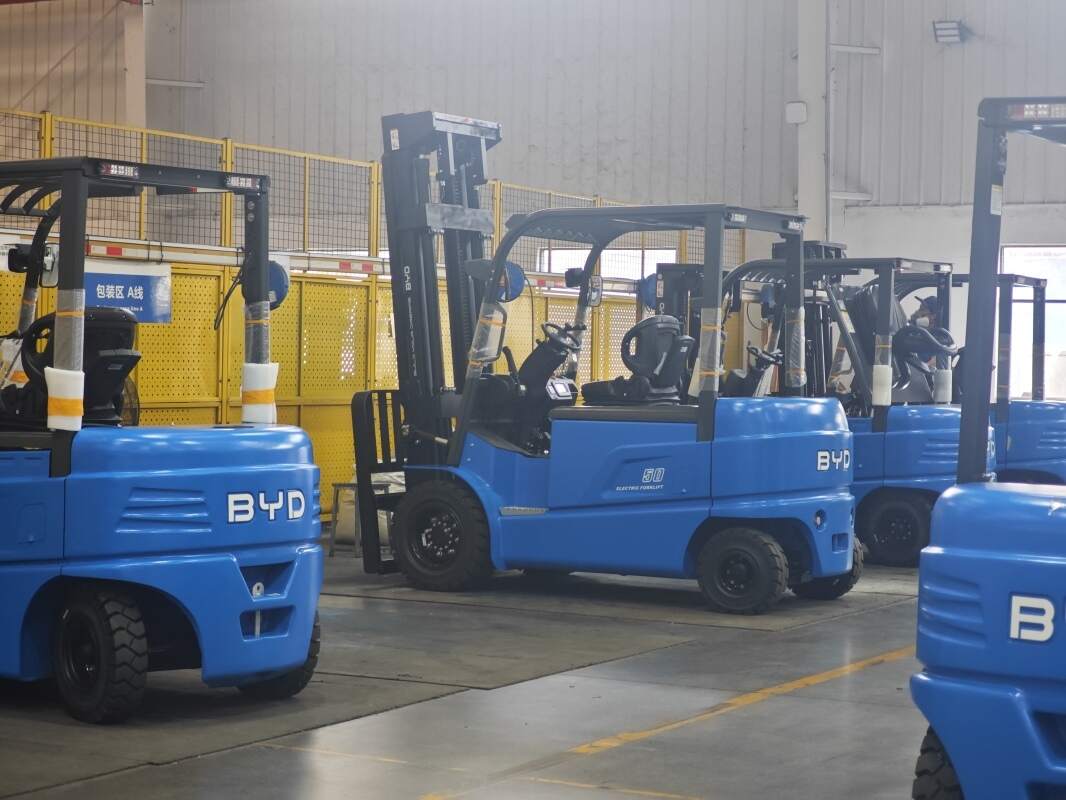
As a material handling equipment buyer, you may often prioritize load capacity, purchase cost and delivery efficiency when selecting manual pallet trucks, while ignoring the importance of full-cycle risk assessment, which may bring potential hidden dangers to daily warehouse operation. The first stage of assessment runs through the pre-purchase selection period. You need to check the structural welding quality of the truck body, the load test data under rated load, the wear resistance of wheel sets matching different ground materials, and the response sensitivity of the braking and lifting system, to avoid unqualified products that may deform or leak hydraulic oil in daily use. The second stage is the on-site application risk assessment after equipment entry. You need to combine the actual working scenario of the warehouse, check the passing risk on ramps, the collision risk with shelf corners in narrow aisles, and the operation specification training status of on-site staff, and make corresponding operation restriction rules for different working conditions, such as strictly prohibiting overloaded use and forbidding personnel to stand on the pallet truck slide. The third stage is the regular recurring risk assessment in daily operation. It is recommended to arrange special personnel to inspect the wearing parts of the equipment every 1 to 2 weeks, replace the severely worn wheel sets and seals in time, and record the operation status of each device to form a complete safety management file. For operation scenarios with high handling frequency and long average transportation distance, you can also choose more labor-saving and stable electric handling equipment to further reduce operation risk and improve work efficiency. Jianshu New Energy focuses on BYD electric forklifts, if you need relevant professional material handling solutions, please contact us via [email protected].