
 简体中文
简体中文 Русский
 Français
 Português
 Español
 لالعربية

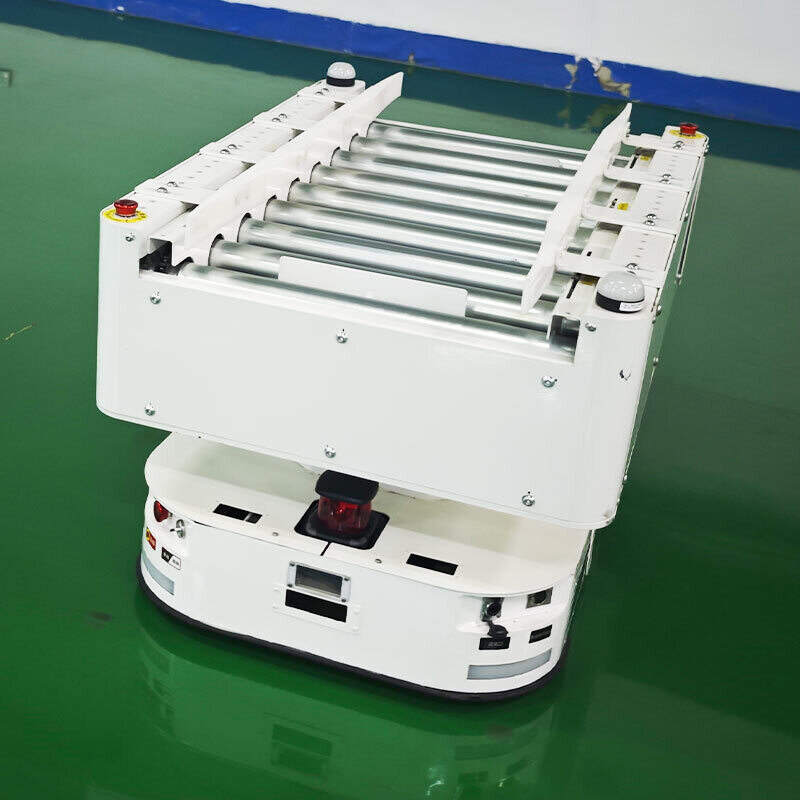
Against the background of low-carbon development of industrial logistics, electric forklifts have been widely applied in various scenarios such as manufacturing workshops, distribution warehouses and cold chain storage for their low noise, zero local emission and flexible operation characteristics. Mastering correct operation and maintenance knowledge can give full play to the performance advantages of such equipment, and create higher value for daily material handling work.
Basic Operation Standardization for Electric Forklifts
Before each start-up operation, operators need to complete necessary pre-inspection work, including checking the remaining power of the power system, the sensitivity of the braking and steering structure, and the integrity of the load-bearing fork and lifting hydraulic components. During the operation, operators should avoid overloading beyond the rated load range, place the goods at the center of the fork to avoid unbalanced weight causing side slipping, slow down in narrow passages and areas with dense personnel, and avoid frequent sharp acceleration and sudden braking that will cause extra loss of power and components.
Routine Maintenance to Extend Equipment Service Life
For the power battery system, users should follow the official charging specifications, avoid long-term over-discharge before supplementary charging, keep the charging environment dry and ventilated, and regularly clean the dust accumulated on the battery terminals to avoid poor contact. For other parts of the equipment, it is necessary to regularly check the sealing performance of the hydraulic oil circuit, the aging state of the circuit harness, and clean the debris deposited at the heat dissipation port in time to ensure the stable heat dissipation of the motor and control system.
Scenario-based Efficiency Optimization Suggestions
According to different working scenarios, operators can adjust the operation mode of the equipment appropriately: for example, when working in low-temperature cold storage, properly preheat the power system before formal operation to reduce the impact of low temperature on battery activity; in the high-frequency short-distance transfer scenario, plan the driving route in advance to reduce unnecessary empty driving back and forth, so as to improve the overall turnover efficiency of materials. Daily standardized management of such details can effectively reduce the failure rate of the equipment, and bring more stable output for long-term industrial handling work.


