
 简体中文
简体中文 Русский
 Français
 Português
 Español
 لالعربية

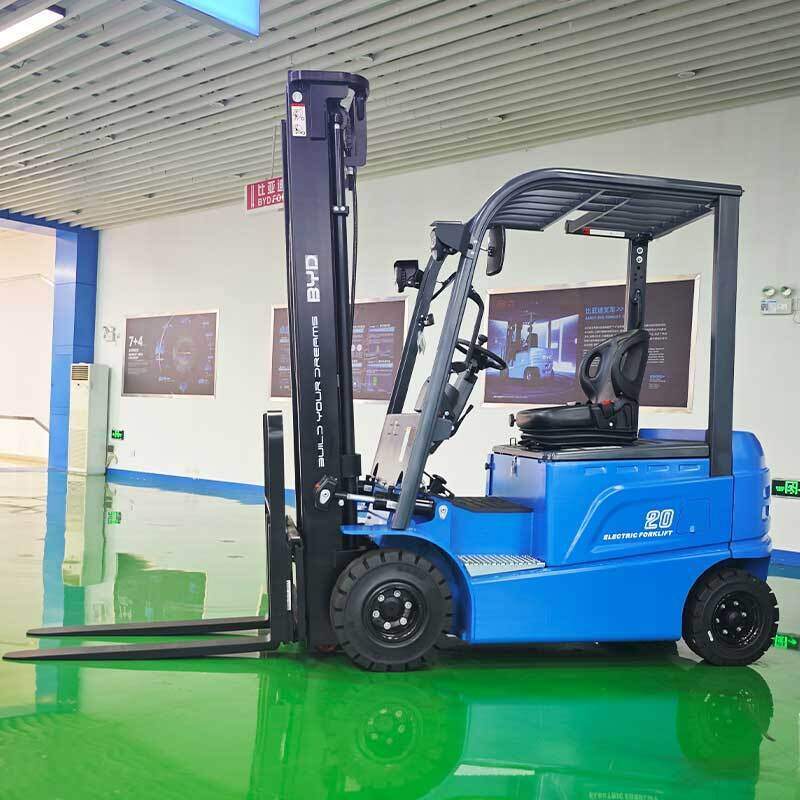
Indoor working environments covering general warehouses, cold storage facilities, enclosed sorting centers and production workshop storage areas have unique demands for material handling equipment, which makes electric forklifts more suitable than traditional combustion forklifts in multiple practical dimensions.
First of all, emission control is the core priority for enclosed indoor spaces. Combustion forklifts will produce exhaust gas containing carbon monoxide, nitrogen oxides and tiny particulate matters during operation. These harmful substances are hard to diffuse completely in relatively airtight indoor spaces, and long-term accumulation will affect the long-term occupational health of on-site operators, and also fail to meet the relevant environmental protection and occupational health management specifications for enclosed working spaces. Electric forklifts realize zero local emission during the whole operation process, no extra supporting exhaust ventilation system needs to be added for normal use, which can reduce the unnecessary capital investment of indoor operation sites on facility renovation.
Secondly, electric forklifts perform better in operation safety and site adaptability. The operation noise of combustion forklifts is usually at a relatively high level, long-term operation will easily cause auditory fatigue of operators, and may also cover the reminder voices of surrounding passing personnel, increasing the potential collision risk. The operation noise of electric forklifts is controlled at a relatively low range, which can ensure that staff on the site can clearly transmit and receive voice reminders, and reduce the probability of safety accidents. Besides, electric forklifts do not carry fuel storage structures and oil supply pipelines, there is no risk of fuel leakage and open fire hidden danger in daily operation, which can better adapt to indoor scenarios that store food, daily chemical products and other goods with high requirements for cleanliness and fire prevention.
In terms of full cycle use cost, electric forklifts also show obvious advantages for indoor sites with long daily use duration. The energy consumption cost of electric forklifts per unit operation time is far lower than the fuel cost of combustion forklifts, and the daily maintenance work does not involve regular replacement of engine oil, fuel filter, oil circuit cleaning and other links required by combustion equipment, the labor and material cost of maintenance can be reduced by a relatively large margin, bringing more stable cost control effect for long-term continuous use.
In actual operation experience, the power output of electric forklifts is more stable and smooth, the body design can achieve a smaller turning radius, which can flexibly pass through narrow indoor operation channels, and will not produce excess exhaust heat during work, so the operating space will not be too hot in high temperature seasons. For special indoor scenarios such as cold storage, electric forklifts will not produce exhaust water vapor during operation, which will not cause additional frost on the surface of surrounding shelves and goods, and can better maintain the storage quality of temperature-sensitive goods.
At present, more and more indoor operation sites are promoting the transformation of green and low-carbon operation, the comprehensive performance of electric forklifts can meet the multiple demands of health, safety, high efficiency and environmental protection at the same time, and has become the preferred material handling equipment for most indoor working environments.


