
 简体中文
 Русский
 Français
 Português
 Español
 لالعربية


For industrial facilities, logistics hubs and storage yards operating across Kitwe, Zambia, running material handling fleets on three-shift schedules has become a common arrangement to meet rising order volumes and round-the-clock service demands. Many operation managers have turned to three-wheel electric forklifts for their compact footprint, flexible maneuverability in narrow aisle spaces, and consistent performance in high-frequency use scenarios, but few have worked out a clear, full picture of the actual three-shift operation cost before deploying the units.
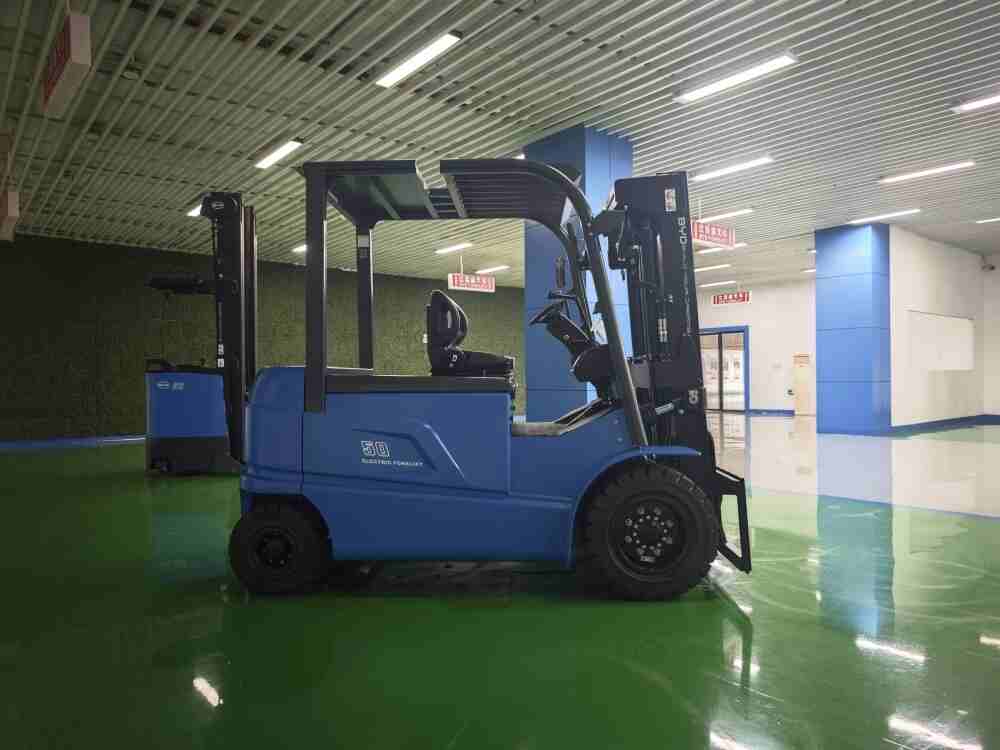
The largest variable expense for long-hour operation of three-wheel electric forklifts in Kitwe comes from power consumption. Unlike traditional internal combustion counterparts, electric models generate zero local emission during operation, and their energy cost per hour of use stays stable even under 24/7 running conditions. For standard load capacity three-wheel electric forklifts working at rated load across three shifts, the daily power consumption usually falls in a reasonable range that is far lower than the fuel cost needed for equivalent internal combustion forklifts to finish the same workload, even when taking local Kitwe industrial electricity tariff standards into full calculation.
Next comes the predictable maintenance and wear cost part. For three-shift use, regular scheduled maintenance is essential to extend the service life of core components. Three-wheel electric forklifts have far fewer moving wearable parts than traditional fuel powered units, so the daily maintenance work is limited to basic checks on tire wear, brake system status, and battery health monitoring, without frequent need for engine oil replacement, filter part updates or emission system adjustment. The annual maintenance cost for three-shift operated units is maintained at a predictable low level, without unexpected high cost overruns that often trouble high-use fuel fleets.
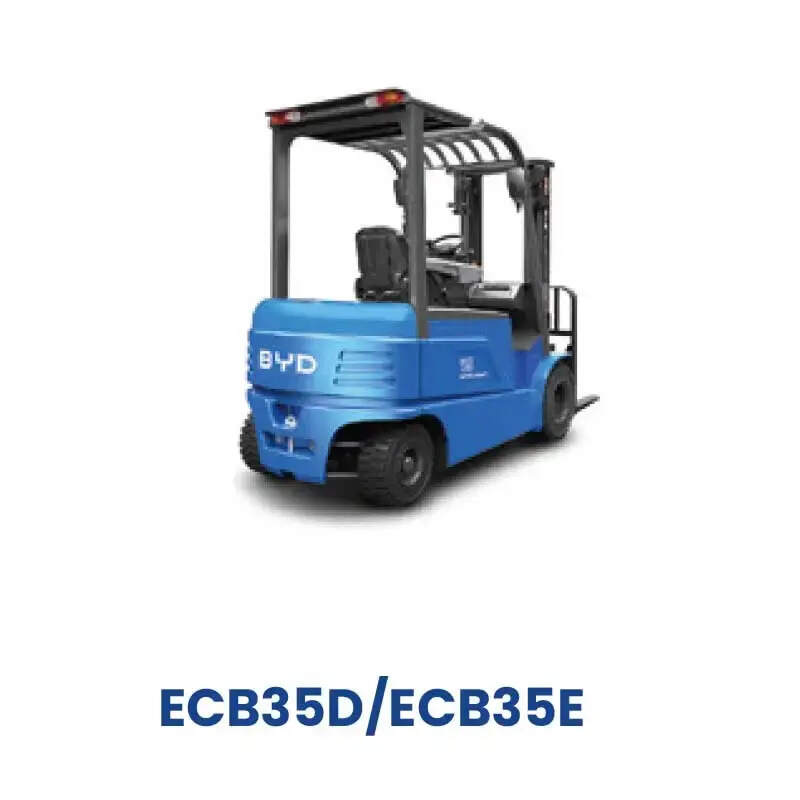
There is also a part of hidden cost savings that many facility managers tend to ignore. Three-wheel electric forklifts produce low noise and no exhaust emission during three-shift operation, so facilities do not need to invest extra cost on ventilation renovation for enclosed working spaces, or pay extra noise pollution related management fees that apply to traditional fuel fleets. For operation teams in Kitwe that need to run 24 hours non-stop, this part of hidden cost reduction often adds up to a considerable sum over the whole operation cycle.
Jian Shu New Energy is a professional supplier focusing on BYD electric forklift solutions, we provide localized cost calculation service tailored for Kitwe local three-shift operation scenarios. If you want to get a detailed customized operation cost report for your specific use case, you can send an email to [email protected] for free professional consultation.


