
 简体中文
 Русский
 Français
 Português
 Español
 لالعربية


As a core commercial and port logistics hub on the north coast of Libya, Misrata hosts a large number of distribution centers, port cargo yards and wholesale trading facilities that run 24/7 to meet rising cargo throughput demands. For most local operation teams, pallet trucks are the most frequently deployed material handling equipment across all three shifts, and clarifying the full scope of operation costs under 24/7 high-load use has become a core demand for local operation managers to optimize overall expenditure.
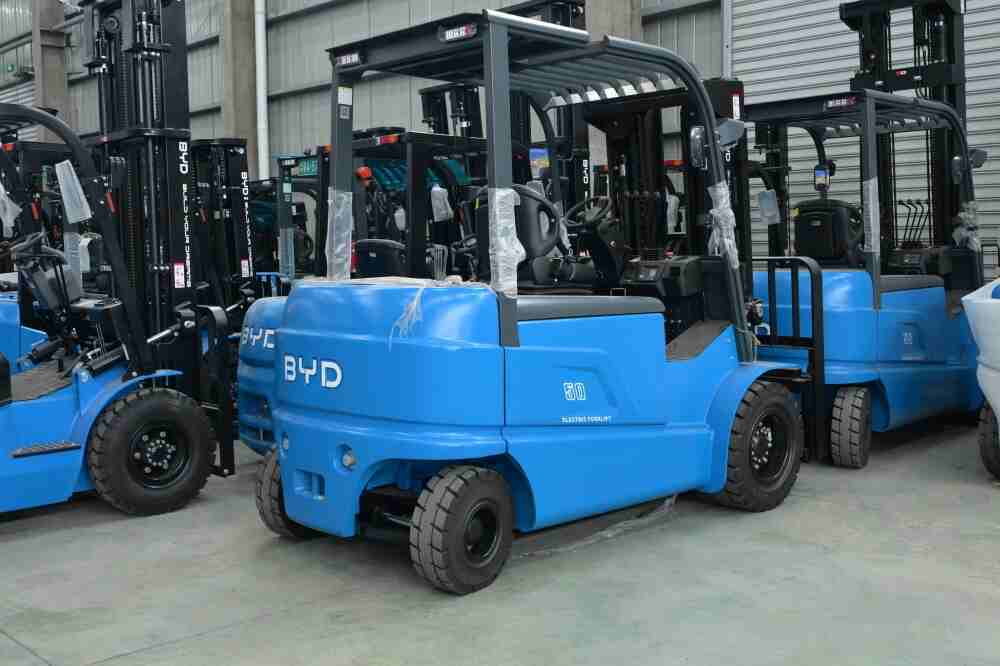
First comes the energy consumption cost, which takes up the largest proportion of daily three-shift operation spending. For a standard electric pallet truck that runs 18 to 20 hours across three shifts per day, the total daily power consumption is calculated against local industrial electricity tariff, bringing a far lower daily energy expenditure compared with internal combustion pallet trucks of the same load capacity. Unlike fuel prices that fluctuate drastically with supply chain changes, local industrial electricity price remains relatively stable, which helps operation teams lock in long-term energy budget without unexpected extra spending.
The second key part of the total cost is routine maintenance and spare part replacement expenditure. Under high-intensity three-shift operation, mechanical wear of core components is unavoidable. Electric pallet trucks adopt much simpler power system structure with no complicated internal combustion related parts, which reduces the required maintenance frequency by more than 50% compared with fuel-powered counterparts. The long-cycle lithium power pack can support more than 3000 full charge-discharge cycles, which means no extra battery replacement cost will be generated in the first 4 to 5 years of normal use, cutting down the large one-time expenditure that most traditional equipment will produce in the second year of three-shift operation.
The last category is implicit operation cost that most managers tend to ignore. Local environmental management regulations require all mobile operation equipment in port and warehouse zones to meet emission standards, and fuel-powered pallet trucks need to pay extra for annual emission inspection and relevant emission related management fees. Besides, the special storage and safety management of fuel also brings extra labor and facility input, which adds to the total operation cost invisibly. Electric pallet trucks produce zero tail gas emission during operation, which fully meets local environmental requirements with no extra relevant expenditure.
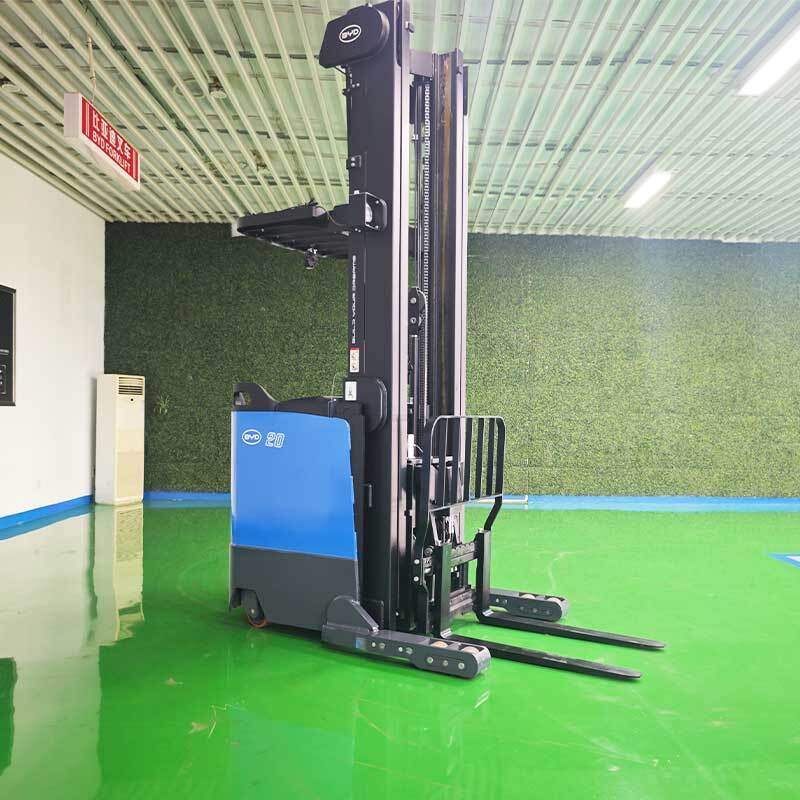
We are Jianshu New Energy, focusing on BYD electric forklift products. We can provide targeted operation cost optimization solutions for pallet truck three-shift scenarios in Misrata area. For more detailed information, you can contact us via [email protected].


