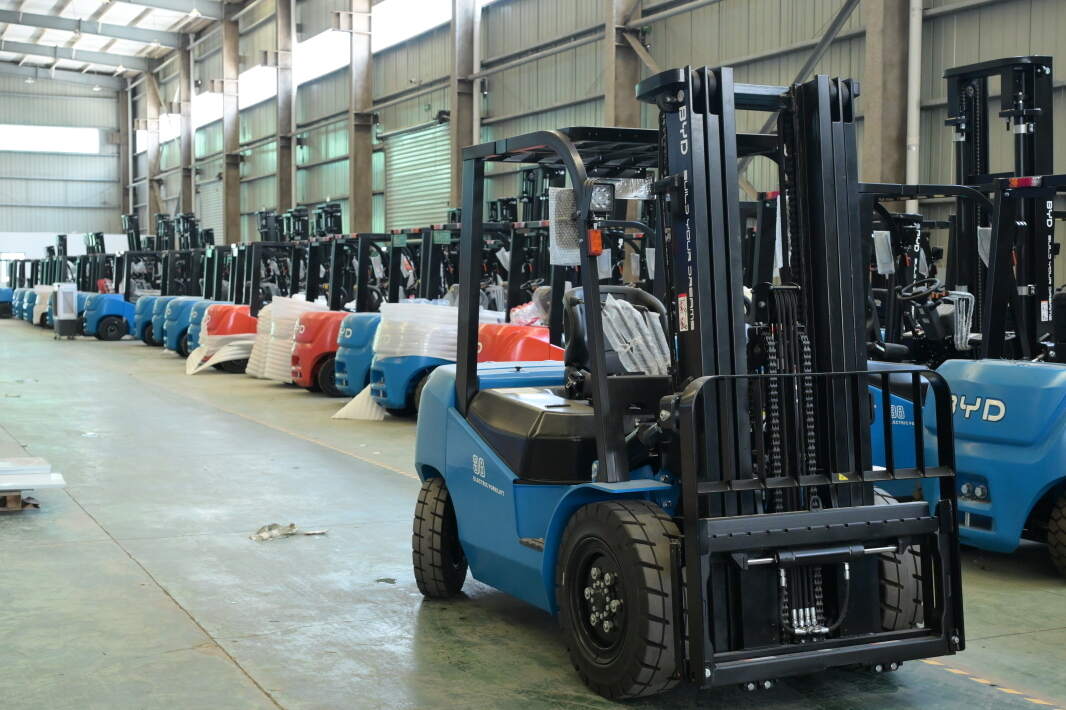
In recent years, with the steady growth of cross-border logistics, e-commerce warehousing and manufacturing sectors in Poland, the demand for efficient and low-carbon material handling equipment has kept rising. Many local enterprises tend to make forklift procurement decisions only referring to the upfront purchase price, while ignoring the total cost of ownership across the full service cycle, which often leads to extra unexpected expenditure in subsequent operation stages.
Lithium powered forklifts have gradually become the preferred option for many enterprises in Poland, thanks to their comprehensive advantages in full cycle cost control. Different from the traditional fuel or lead-acid forklifts, lithium forklifts show prominent advantages in multiple cost dimensions.
For the daily operation part, the stable local electricity price in Poland makes the energy consumption cost per working hour of lithium forklift far lower than that of internal combustion forklifts. Besides, local environmental protection regulations in many industrial parks and core warehousing zones in Poland have put forward strict emission limits for fuel powered equipment, and lithium forklifts with zero tailpipe emission can help enterprises avoid unnecessary environmental non-compliance risks and corresponding fines.
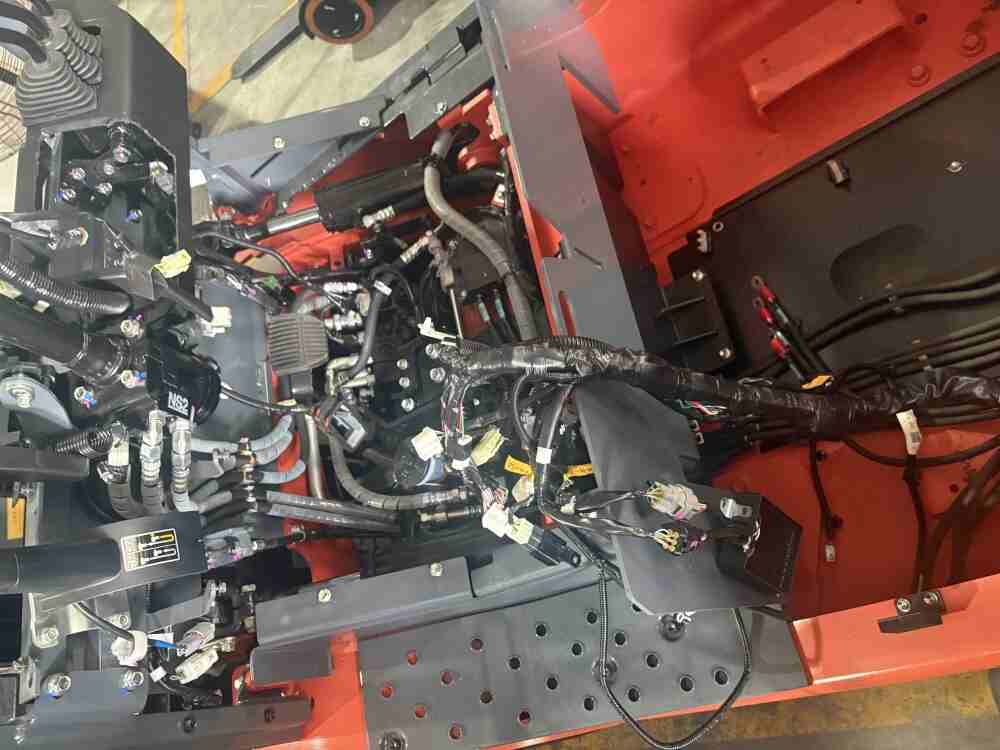
In terms of maintenance cost, the structure of lithium forklift is relatively simple, without complex internal combustion engine components that need regular oil replacement, filter update and other high-cost maintenance items. It also does not need frequent water replenishment, electrolyte detection and other tedious operations required by traditional lead-acid forklifts, which cuts down the maintenance labor cost and material cost significantly. The long cycle life of lithium power battery can support the normal operation of the equipment for 8 to 10 years, and there is no need to replace the battery halfway within the standard service cycle, which saves a large amount of additional investment.
For the residual value part after the service cycle ends, the lithium battery of the forklift maintains a high residual rate, so the overall residual value of the whole equipment is higher than that of the traditional fuel or lead-acid forklift, which further reduces the total cost of ownership from the full cycle perspective.
As Jianxin New Energy, we focus on providing services for BYD electric forklifts, and can provide targeted total cost of ownership analysis for local Polish enterprises with different operation scales, to help you select the most suitable handling equipment solutions according to your actual operation scenarios. If you have relevant demands, please send an email to [email protected] for more details.