
 简体中文
 Русский
 Français
 Português
 Español
 لالعربية


Against the backdrop of steady growth of logistics, manufacturing and warehouse sectors in Kenya in recent years, more local operators are prioritizing cost control and low-carbon operation when selecting material handling equipment. The total cost of ownership, which covers the full lifecycle expenditure instead of only upfront purchase price, has become the core reference index for investment decisions.
The first part of the expenditure calculation covers initial investment. The upfront purchase cost of lithium forklifts is slightly higher than that of traditional internal combustion forklifts of the same load capacity, but local clean energy promotion policies in Kenya can deduct part of the initial expenditure for enterprises that purchase zero-emission material handling equipment, narrowing the gap of initial input between the two types of equipment.
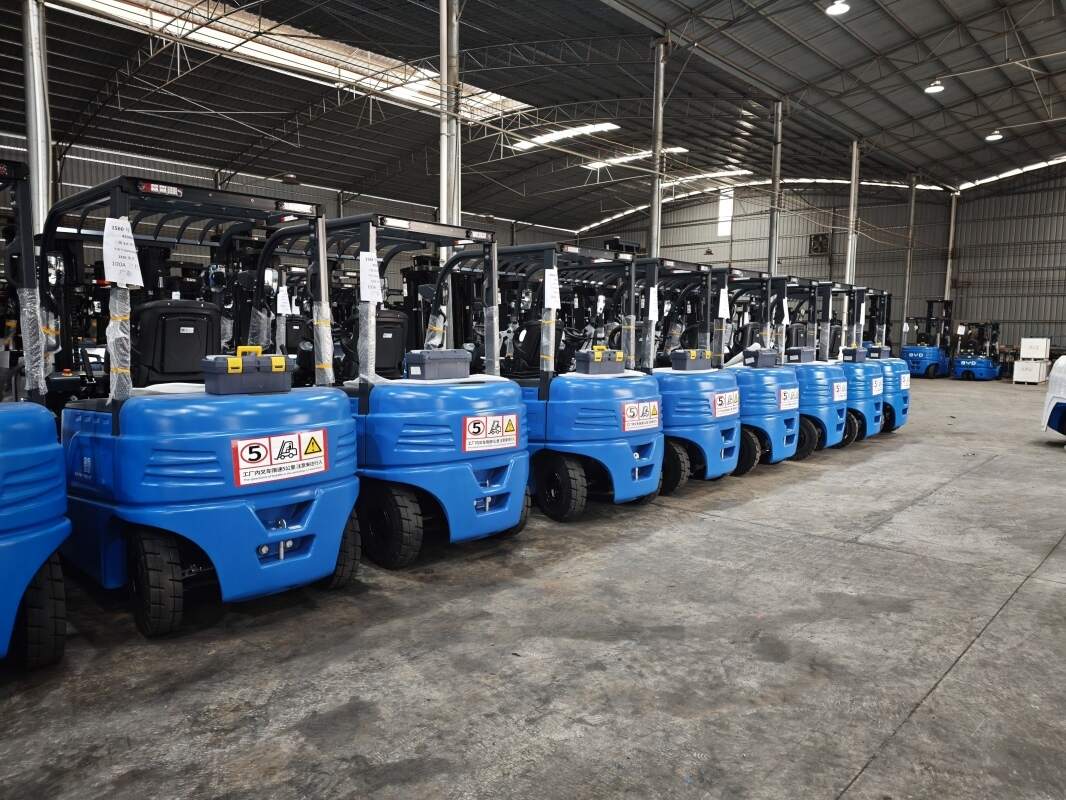
The largest part of long-term expenditure comes from daily operating cost. In recent years, the price of diesel in Kenya has maintained obvious fluctuation, bringing unstable operating cost for operators that use internal combustion forklifts. In contrast, the local power grid in Kenya has a high proportion of renewable energy supply, with relatively stable electricity price. The hourly power consumption cost of lithium forklifts is far lower than the fuel cost of internal combustion counterparts, and there is no need for frequent refueling waiting, which effectively reduces the idle downtime of equipment.
Maintenance and post-operation expenditure also occupies an important share of the full lifecycle cost. Lithium forklifts do not have complex internal combustion engine structures, oil supply systems and exhaust components, so there is no need for regular operations such as engine oil replacement, filter element update and fuel system debugging. The routine maintenance frequency and related cost of lithium forklifts are less than 30% of that of internal combustion forklifts, and the lithium battery pack can support 8 to 10 years of normal operation with proper daily use.
In addition, operators can also get a series of implicit cost savings from lithium forklifts. Many high-density warehouse areas and port operation zones in Kenya have set clear emission restriction rules for internal combustion equipment, and lithium forklifts with zero emission do not need to pay extra emission related management fees, and do not need to configure additional ventilation facilities for indoor operation, avoiding potential health related expenditure for frontline staff caused by exhaust emission.
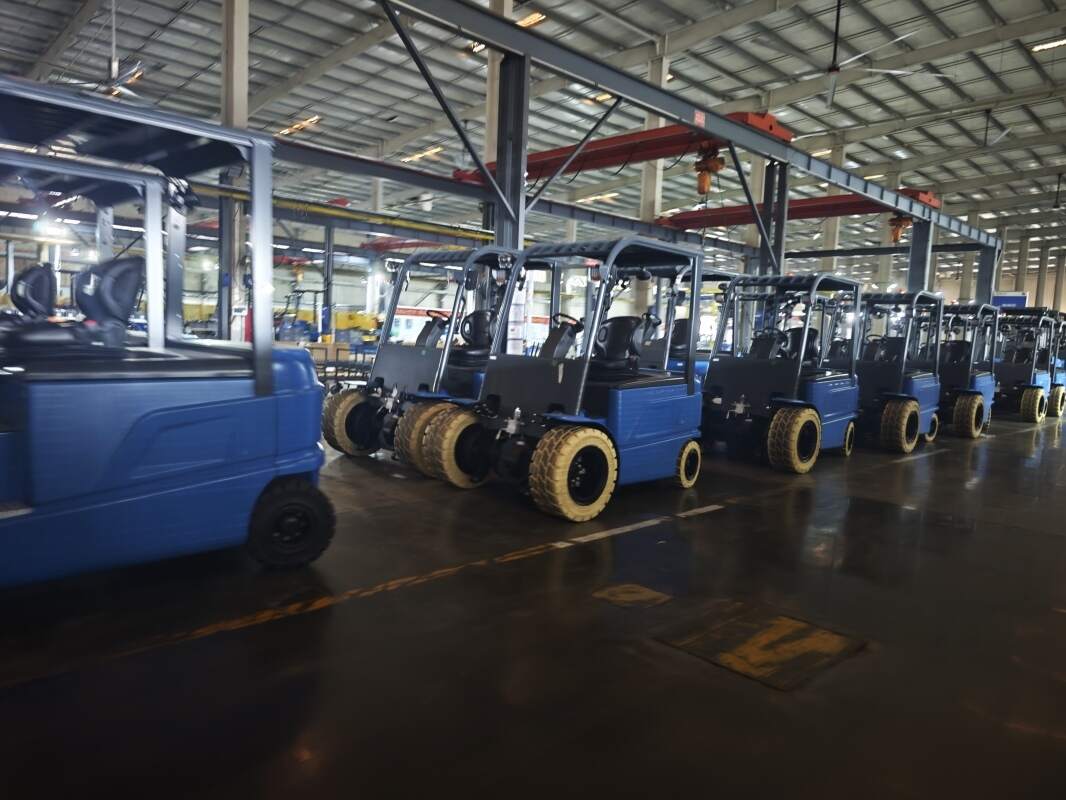
We are Jianxin New Energy, focusing on BYD electric forklifts, providing customized lithium forklift matching plans for different operation scenarios for local Kenyan customers. If you need a full lifecycle TCO measurement for your operation site, you can send an email to [email protected] for detailed consultation.


