简体中文
 Русский
 Français
 Português
 Español
 لالعربية


As modern manufacturing plants, distribution warehouses and cold storage facilities continue to upgrade their operation standards, material handling equipment selection has become a core factor affecting long-term operation efficiency, cost control and compliance performance. Electric forklifts and diesel forklifts are the two most widely used categories in current market, and many facility operators need to evaluate their comprehensive value to make proper decisions that match their own operation scenarios.
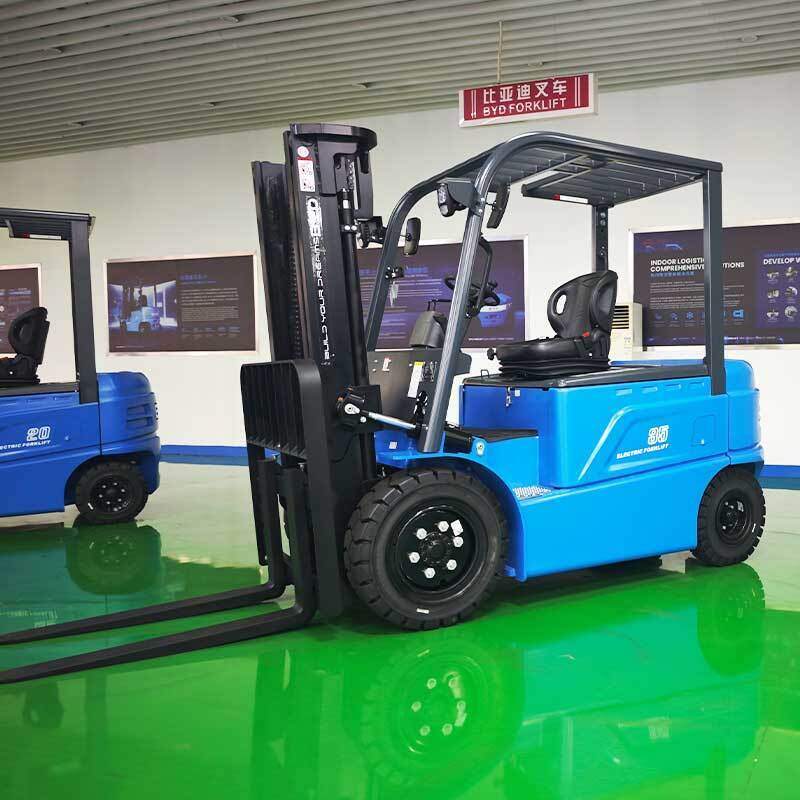
In terms of full lifecycle operation cost, diesel forklifts have relatively stable initial procurement cost, but their long-term running expenses show obvious fluctuation. Diesel price changes directly affect daily operation expenditure, and regular maintenance for diesel forklifts needs to replace engine oil, fuel filter, exhaust treatment parts and other consumables, which takes extra labor hours and material cost. For electric forklifts, the driving energy comes from electric power, the unit energy consumption cost is much lower than that of diesel, and the daily maintenance only needs to check battery status, motor performance and brake system, no extra fuel-related consumables are required. For a service cycle of 3 to 5 years, the total operation cost advantage of electric forklifts will be presented gradually.
In terms of scenario adaptation value, many modern facilities such as food processing workshops, pharmaceutical production areas and closed constant temperature warehouses have strict requirements for indoor air quality. Diesel forklifts will produce exhaust emissions containing particulate matters and nitrogen oxides during operation, even with additional exhaust treatment devices, they still cannot fully meet the highest indoor environmental standards, and facilities need to equip extra powerful exhaust system to dilute emissions, which will add extra energy consumption burden. Electric forklifts produce zero tail gas emission during operation, and their running noise is far lower than diesel forklifts, which can effectively improve the working environment of frontline operators and reduce potential occupational health risks.
In terms of policy compliance value, more and more regions have introduced refined carbon emission control rules for industrial facilities in recent years. Traditional diesel forklifts with high emission level may face restrictions on access in specific operation zones, or extra environmental related fees in the future. As a kind of new energy material handling equipment, most electric forklift models can enjoy corresponding emission reduction support policies and operation access priority, helping modern facilities easily meet the carbon reduction assessment requirements in daily operation.
As a professional new energy material handling solution service provider, Jianshu New Energy focuses on BYD electric forklifts, providing matching forklift selection and supporting operation and maintenance services for all kinds of modern facilities. If you have relevant consultation demands, please send emails to [email protected] to get customized solution suggestions.